APRIL 2023 READING LIST
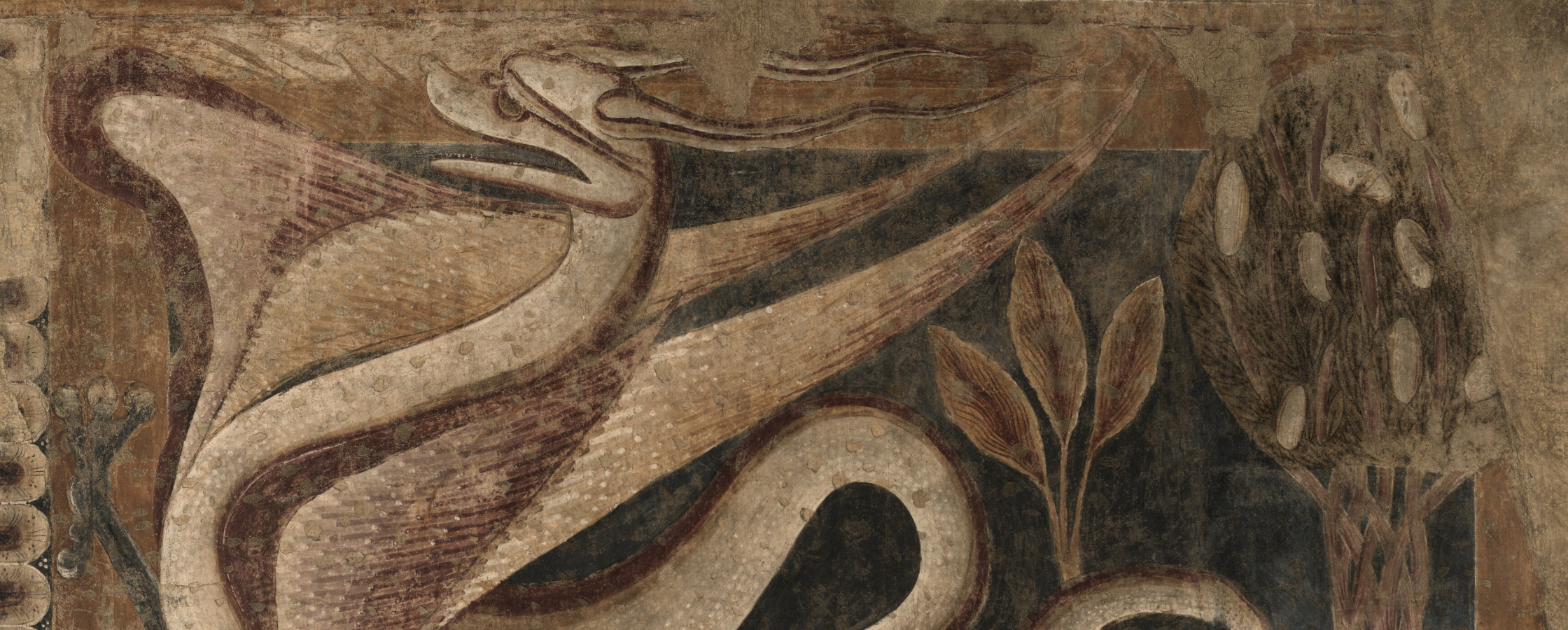
Culture: Spanish. Dragon, after 1200. The Metropolitan Museum of Art
HERE BE DRAGONS BY SHARON KAY PENMAN
Thirteenth-century Wales is a divided country, ever at the mercy of England's ruthless, power-hungry King John. Then Llewelyn, Prince of North Wales, secures an uneasy truce with England by marrying the English king's beloved, illegitimate daughter, Joanna. Reluctant to wed her father's bitter enemy, Joanna slowly comes to love her charismatic, courageous husband, who dreams of uniting Wales. But as John's attentions turn again and again to subduing Wales--and Llewelyn--Joanna must decide to which of these powerful men she owes her loyalty and love.
I recently found the entire collection of Here Be Dragons, a Welsh historical fiction series, at the Friends of the San Diego Library "power sale." I had had the book on my reading list for a long time, but I was hesitant to start it because I was afraid the writing would be a bit dry or too archaic. I was pleasantly surprised to find Penman's writing superb, and I felt completely transported to the thirteenth century, learning so much about Wales.
So enraptured by this historical fiction saga, I would research to find the truth and what was created, and in so doing, build my knowledge and understanding of a time long ago. The book took a little to get started and to wrap my mind around the Welsh language and traditions, but once I got going, I could not stop, and it was hard to put the book down. I both felt entertained and educated. I enjoyed this book from beginning to end, and I highly recommend it to any fellow historical fiction enthusiasts.
FOOTNOTE - I learned about this book while reading, and I could not help but notice the flow of the Welsh language and how it reminded me of Tolkien's Elvish. It came as no surprise, then, to learn that Tolkien was strongly influenced by Welsh and that the real and fictional languages share many similarities. These literary connections enhance the delight of reading and deepen my interest in the setting.
Claude Lovat Fraser. Old London Bridge, c. 1911-c. 1914. Harvard Art Museums
MAISIE DOBBS BY JACQUELINE WINSPEAR
Maisie Dobbs, Psychologist and Investigator, began her working life at the age of thirteen as a servant in a Belgravia mansion, only to be discovered reading in the library by her employer, Lady Rowan Compton. Fearing dismissal, Maisie is shocked to discover that her thirst for education will be supported by Lady Rowan and a family friend, Dr. Maurice Blanche. But the Great War intervenes in Maisie’s plans, and soon after the commencement of her studies at Girton College, Cambridge, Maisie enlists for nursing service overseas.
Years later, in 1929, having apprenticed to the renowned Maurice Blanche, a man revered for his work with Scotland Yard, Maisie set up her own business. Her first assignment, a seemingly tedious inquiry involving a case of suspected infidelity, takes her not only on the trail of a killer but back to the war she had tried so hard to forget.
I had seen the Maisie Dobbs series pop up under my recommendations for years, but I had taken a hiatus from World War reads. In search of a new cozy mystery, I decided to try the first book from the series, and I immediately found that I liked the main character and Winspear’s ability to write an intriguing mystery.
Maisie Dobbs is like many characters I enjoy reading about—a female venturing into a typical all-male world. Besides becoming an investigator, she can read people and read places. This felt very relatable, and I liked the character's calm demeanor rather than the petty, sometimes sarcastic female “detectives” in other popular mystery books.
This first book spends a lot of time building the character's background and origins, but there are sixteen more books in this series and counting. With that in mind, it was no bother to me that the bulk of the book was background development. That is what I like about a series. In a novel, I get a split moment to learn, know, and understand a character. With a series, there is room in the story and time to build a character and allow them to grow at a more realistic speed.
This series is also fairly light as mysteries go, and what I call my slow read. A book that I can finish in a day, or sit back and let the story slowly wash over me.
FOOTNOTE - I gained a deeper understanding of the inner workings of a grand house at the turn of the 20th century in England from this book. I also grew to understand the fatigue and sorrow that follow a great war. To lose not just some people but an entire generation of men must have been an upsetting time, to say the least.
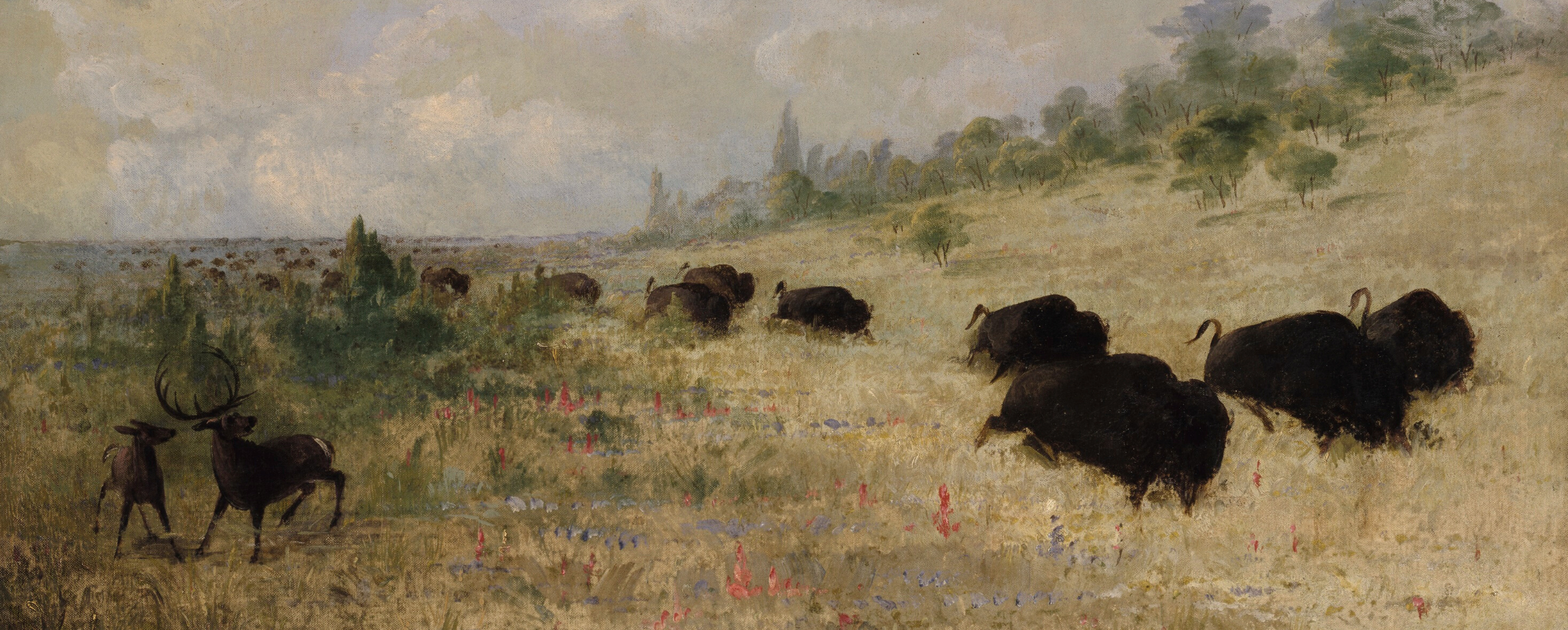
George Catlin. Elk and Buffalo Grazing among Prairie Flowers, Texas, 1846-1848. Smithsonian American Art Museum
UNSETTLING TRUTHS: THE ONGOING DEHUMANIZING LEGACY OF THE DOCTRINE OF DISCOVERY BY MARK CHARLES, SOONG-CHAN RAH
You cannot discover lands already inhabited.
Injustice has plagued American society for centuries. And we cannot move toward being a more just nation without understanding the root causes that have shaped our culture and institutions.
In this prophetic blend of history, theology, and cultural commentary, Mark Charles and Soong-Chan Rah reveal the far-reaching, damaging effects of the "Doctrine of Discovery." In the fifteenth century, official church edicts gave Christian explorers the right to claim territories they "discovered." This was institutionalized as an implicit national framework that justifies American triumphalism, white supremacy, and ongoing injustices. The result is that the dominant culture idealizes a history of discovery, opportunity, expansion, and equality, while minority communities have been traumatized by colonization, slavery, segregation, and dehumanization.
Healing begins when deeply entrenched beliefs are unsettled. Charles and Rah aim to recover a common memory and shared understanding of where we have been and where we are going. As other nations have instituted truth and reconciliation commissions, so do the authors call our nation and churches to a truth-telling that will expose past injustices and open the door to conciliation and true community.
Unsettling Truths was a book I had on my shelf for a while and one I desired to read but needed some motivation to start. I read it on a trip from coast to coast on my first solo trip in nearly a decade and I had ample time for reading.
I connected most with a quote from Bonhoeffer saying, "Man's limit is in the middle of his existence, not the edge... The limit in the middle is the limit of his reality, of his true existence." We, in the human condition, try to transcend that limit into the supernatural and infinite causing a rupture in the natural order. We claim divinity when we are but fallen.
To seek and explore is part of our curiosity and enterprise as humans and is something to be admired, but an insular self-righteous, and self-ambitious narrative has had devastating effects. This book provides the righting of a mindset for people who believe that they are the Abraham, Isaac and Jacob of the bible and do not recognize their similarities with Canaan.
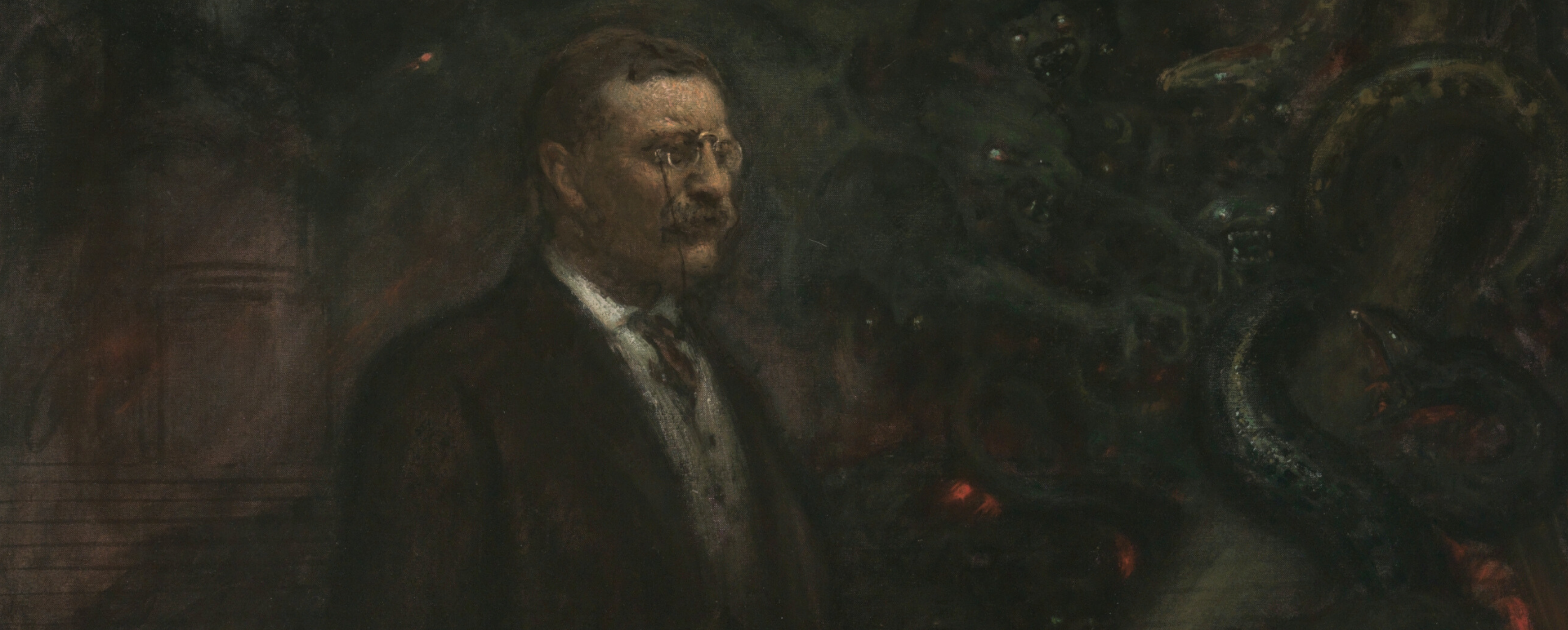
Sigismund De Ivanowski. Theodore Roosevelt, 27 Oct 1858 - 6 Jan 1919. National Portrait Gallery, Smithsonian Institution
THE RISE OF THEODORE ROOSEVELT BY EDMUND MORRIS
This classic biography is the story of seven men—a naturalist, a writer, a lover, a hunter, a ranchman, a soldier, and a politician—who merged at age forty-two to become the youngest President in history.
The Rise of Theodore Roosevelt begins at the apex of his international prestige. That was on New Year’s Day, 1907, when TR, who had just won the Nobel Peace Prize, threw open the doors of the White House to the American people and shook 8,150 hands. One visitor remarked afterward, “You go to the White House, you shake hands with Roosevelt and hear him talk—and then you go home to wring the personality out of your clothes.”
The rest of this book tells the story of TR’s irresistible rise to power. Between 1858 and 1901, Theodore Roosevelt transformed himself from a frail, asthmatic boy into a full-blooded man. Fresh out of Harvard, he simultaneously published a distinguished work of naval history and became the fist-swinging leader of a Republican insurgency in the New York State Assembly. He chased thieves across the Badlands of North Dakota with a copy of Anna Karenina in one hand and a Winchester rifle in the other. Married to his childhood sweetheart in 1886, he became the country squire of Sagamore Hill on Long Island, a flamboyant civil service reformer in Washington, D.C., and a night-stalking police commissioner in New York City. As assistant Secretary of the Navy, he almost single-handedly brought about the Spanish-American War. After leading “Roosevelt’s Rough Riders” in the famous charge up San Juan Hill, Cuba, he returned home a military hero and was rewarded with the governorship of New York. In what he called his “spare hours,” he fathered six children and wrote fourteen books. By 1901, the man Senator Mark Hanna called “that damned cowboy” was vice president. Seven months later, an assassin’s bullet gave TR the national leadership he had always craved.
I decided seven years ago, when I was struggling with insomnia, new motherhood, and hearing divisive politics, that I would read through the biographies of the presidents of the United States. Both as a way to better understand the foundations of our country and as a solid read that would put me to sleep every night. However, The Rise of Theodore Roosevelt by Edmund Morris was too engrossing, so I had to find other books for my bedtime reading.
First off, Theodore Roosevelt was an exciting person, with many curious pastimes and an array of interests, as well as an energetic existence that hardly anyone could keep pace with. Secondly, Morris is an excellent storyteller, and rather than document factual information, he brings Teddy to life on each page. His writing is somewhat akin to Goodwin's Team of Rivals, except that where Goodwin expands on several men—each with their own story—Morris circles everything back to Teddy and his many personas.
This book is the first of a trio, and I will admit that the stack of three at seven hundred pages apiece feels a bit heavy, but the writing is so excellent that the length escapes my notice. I can well understand why this book won a Pulitzer, and I hope the following books in the trilogy are just as enjoyable.
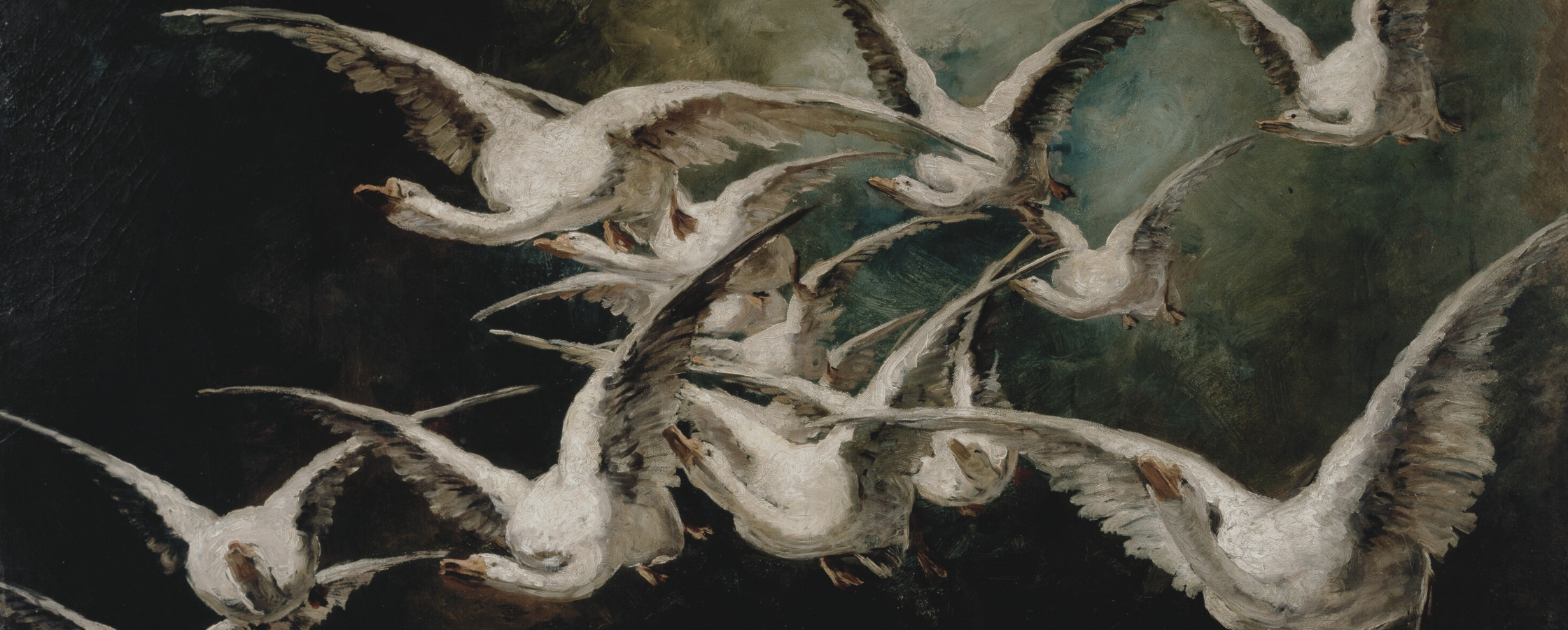
Elizabeth Nourse. Flock of Geese, ca. 1883. Smithsonian American Art Museum
BIRDS OF A FEATHER BY JACQUELINE WINSPEAR
An eventful year has passed for Maisie Dobbs. Since starting a one-woman private investigation agency in 1929 London, she now has a professional office in Fitzroy Square and an assistant, the happy-go-lucky Billy Beale. She has proven herself as a psychologist and investigator, and has even won over Detective Inspector Stratton of Scotland Yard’s Murder Squad—an admirable achievement for a woman who worked her way from servant to scholar to sleuth, and who also served as a battlefield nurse in the Great War.
It’s now the early Spring of 1930. Stratton is investigating a murder case in Coulsden, while Maisie has been summoned to Dulwich to find a runaway heiress. The woman is the daughter of Joseph Waite, a wealthy self-made man who has lavished her with privilege but kept her in a gilded cage. His domineering ways have driven her off before, and now she’s bolted again.
Waite’s instructions are to find his daughter and bring her home. When Maisie looks into the disappearance, she finds a chilling link to Stratton’s murder case, and to the terrible legacy of The Great War.
I have finally found my historical fiction mystery with a female protagonist for the season! A specific niche, but I enjoy the intrigue of a good mystery as well as reading about a strong female character. It gives the story more purpose than an introduction of characters barreling toward an inevitable climax. A mystery seeks a much sought-after answer and an anticipated closure.
I found the title "Birds of a Feather" very fitting now that I know the conclusion, while also keeping with the post-WWI period and the recovery of that era. This second book in the series gave me a better impression of Winspear's ability to create a good mystery. She omits just enough and includes just enough secondary pathways to keep the reader guessing.
Even the insistence on the whole truth from Maisie Dobbs in each case is satisfying. Rather than the author hitting the reader with a boom of a twist and a climax and everything falling neatly into place after the epilogue, filling in more detail, Winspear takes time to close out the people connected to the case by the end of the book, while still leaving a thread of the story that connects the main character to the next book.
I read an article by the author in which she said she wanted her main character to grow naturally over time, with each book, rather than leap ahead. She wanted a sense of realness in her life, pursuing relatability. This is evident in the writing; for some, the pace may be a bit slow, but it is perfect for me this season.
FOOTNOTE - I learned to appreciate the slow read. If I ever want to quicken the pace of my reading, I can, but it is also good to slowly devour a story rather than race through it.
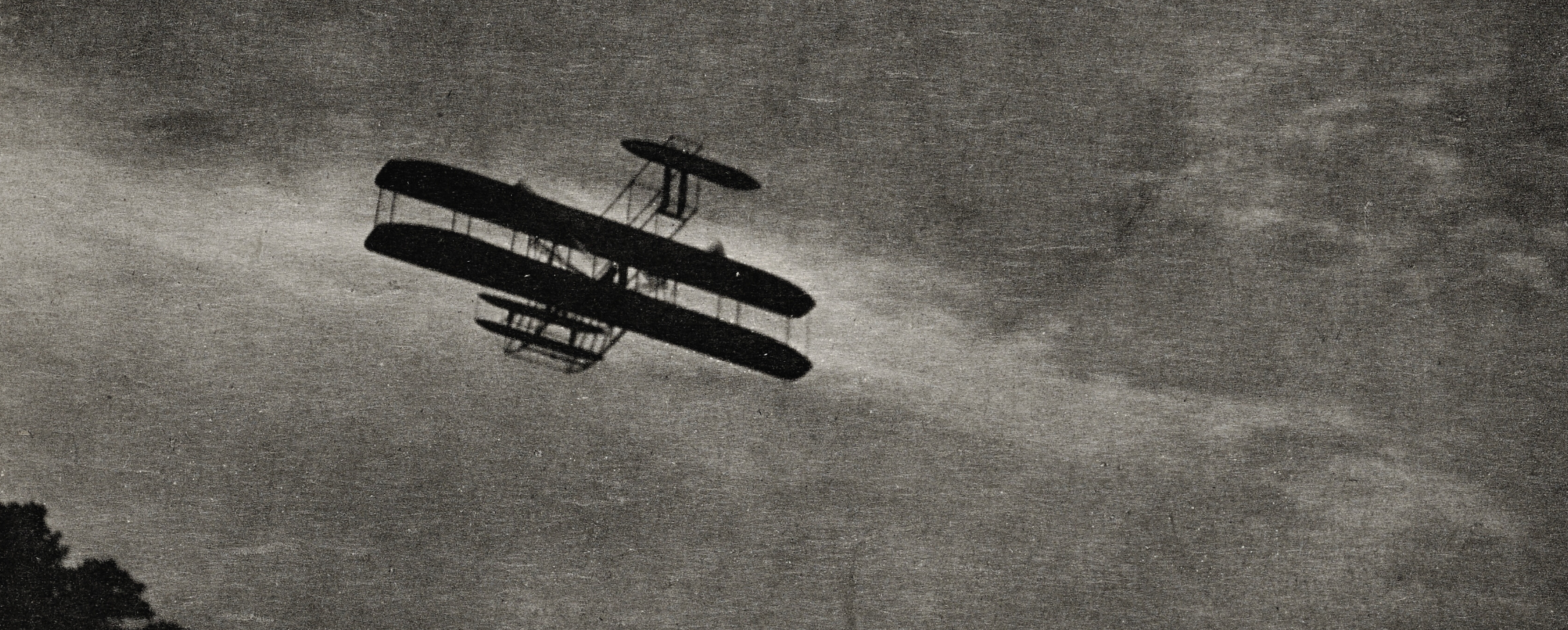
Alfred Stieglitz. The Aeroplane, October 1911. The Minneapolis Institute of Art
PARDONABLE LIES BY JACQUELINE WINSPEAR
In the third novel of this bestselling series, London investigator Maisie Dobbs faces grave danger as she returns to the site of her most painful WWI memories to resolve the mystery of a pilot's death.
A deathbed plea from his wife leads Sir Cecil Lawton to seek the aid of Maisie Dobbs, psychologist and investigator. As Maisie soon learns, Agnes Lawton never accepted that her aviator son was killed in the Great War, a torment that led her not only to the edge of madness but to the doors of those who practice the dark arts and commune with the spirit world.
In accepting the assignment, Maisie finds her spiritual strength tested and her regard for her mentor, Maurice Blanche, tested as well. The mission also brings her together once again with her college friend Priscilla Evernden, who served in France and who lost three brothers to the war — one of whom, it turns out, had an intriguing connection to the missing Ralph Lawton.
Is it better to tell a lie than reveal the reality that a person does not wish to hear?
That is the question that lurks from page to page in Pardonable Lies by Jacqueline Winspear. The third book of the Maisie Dobbs series. This was a captivating read, and although some conclusions were easy to recognize, the ending brought quite a few unexpected turns.
I have continued to enjoy this series. For a mystery, it is light, easy to read, and intriguing in the recounting of post-war. WWII is yet a reality as Great Britain and the rest of the world are still reeling from the devastation of the Great War. The effects of shell shock and internal war wounds play a major part in this book.
FOOTNOTE - I learned about this book's early 20th-century English societal views on homosexuality as well as the irreversible struggle of shell shock for those who experience war.
Shell shock was a term coined during the First World War that is now called Post Traumatic Stress Disorder (PTSD). It is a psychological condition resulting from the stress a soldier experiences during battle. Symptoms include (but are not limited to) tremors, loss of sight or hearing, and extreme fatigue.
Other books read this month:
MR. DOYLE AND DR. BELL