NOVEMBER 2024 READING LIST

John Frederick Kensett. Lake George, 1869. The Metropolitan Museum of Art
QUIET: THE POWER OF INTROVERTS IN A WORLD THAT CAN’T STOP TALKING BY SUSAN CAIN
At least one-third of the people we know are introverts. They tend to prefer listening over speaking, innovate and create without seeking self-promotion, and favor working independently over working in teams. Well-argued, thoroughly researched, and filled with unforgettable stories of real people, it can permanently change how we see introverts and, equally important, how they see themselves.
I had Quiet on my shelf for a while and never found time to really dig in. With an overseas trip and a lot of solo time, I decided it was time to pull this one off the shelf, and I am so glad I did. To start with, Cain explains that at least one-third of the people we know are introverts. At least. And some of these introverts have made significant contributions to society.
What was so profound to me in this book was the societal emphasis on the extrovert in our education, conversation, politics, social lives, and even infrastructure. I was blown away by the small ways our culture steers the populace into pro-extrovert positions. The idea of desks in a classroom being grouped in fours for better “group think” opportunities versus individual desks facing the teacher. I had never thought of the significance, but looking back on my years in school, I can recognize the difference. There was less room for personal discovery and pace. Although I am not a promoter of homeschooling because I believe in community at a young age, I have to admit that one positive was my freedom to learn with limitations when working alone.
Another point that Cain brings up is the evangelical movement. She spends little time on this point, but her observations were so profound as to change how I look at my faith's commissional aspect. She explains that going door-to-door, talking to the barista, and handing out tracts was a redirecting turn in the late 20th century that geared Christian faith toward better suit extroverts. What! All this time, the shaming, the questioning of faith, and the demand by Christian leaders was a personality preference. I breathed a huge sigh of relief upon reading about how introverts approach their faith compared to extroverts, and the reading was a great comfort.
Another way Cain expresses her idea well is through the examples she gives to explain different aspects of introverted behavior. She talks about a high-energy public speaker, a New York City classroom, a determined salesman, and great innovators of our age while weaving together the argument of the power of being an introvert. I greatly enjoyed this book and marked little along the way; otherwise, I would have marked every section. I hope to reread the book before long to retain more of Quiet and its message for introverts.
5/5 Stars
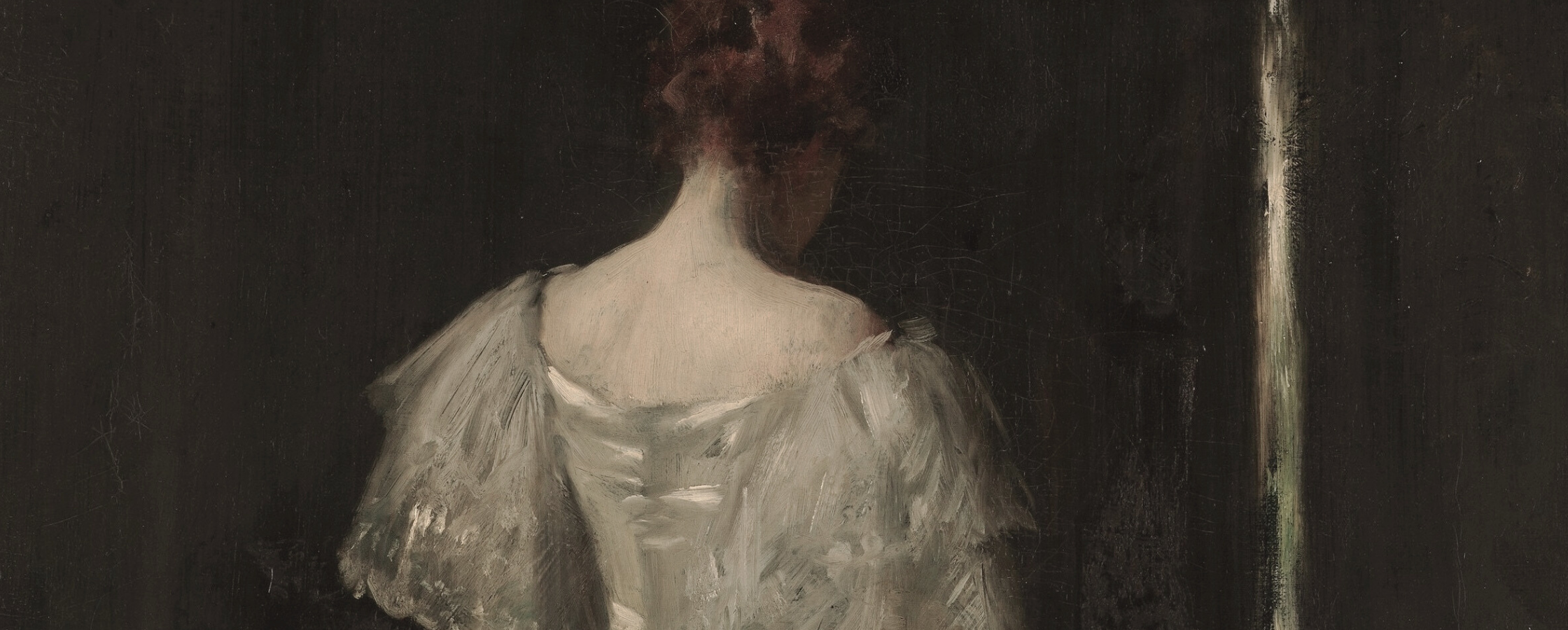
William Merritt Chase. Seventeenth Century Lady, ca. 1895. The Metropolitan Museum of Art
ARABELLA BY GEORGETTE HEYER
While traveling to London, Arabella's carriage unexpectedly breaks down outside Robert Beaumaris’s hunting lodge, a wealthy and socially influential man, bringing her into his path. Her one flaw is impulsiveness, and she feels insulted when she overhears her arrogant host criticizing her as merely another petty woman after his wealth. Proud and headstrong, she then boldly declares herself an heiress! Beaumaris, cynical and amused, challenges her claim by introducing her into high society, where she mingles with love-seeking men and faces various embarrassments in London and beyond.
Still recovering from some of my darker reads from earlier in the year, I found the works by Georgette Heyer at my local library and decided to give them a go. The first book I picked was Arabella, the name of a penniless young woman who stays in London during the season with her godmother. She encounters the socially distinguished Robert Beaumaris and, disliking his arrogance in thinking of her as a fortune hunter, pretends she is an heiress of great wealth and has no interest in him. What follows is the lovely dance between two headstrong characters who believe the worst of each other. However, as their escapades continually cross paths, a new appreciation, perhaps even love, develops.
Strikingly similar to an Austen tale, Heyer sets her story in the Regency era. The characters have similar motivations: The women want to marry well, and the men either want excitement or do not want to marry at all. The book was amusing, and I liked the main characters. The split between each point of view also added to the delight of knowing what other characters did not know and provided wonderful intrigue.
It was not the most in-depth book, but it was entertaining, light, and quick to read. There is less dialogue than in other Regency-era books I have read. Some of this I enjoyed because it made the reading faster, while other times, I wished there were more conversations to learn more about the story. There were several areas where much was summarized.
3.75/5 Stars