JULY 2024 READING LIST
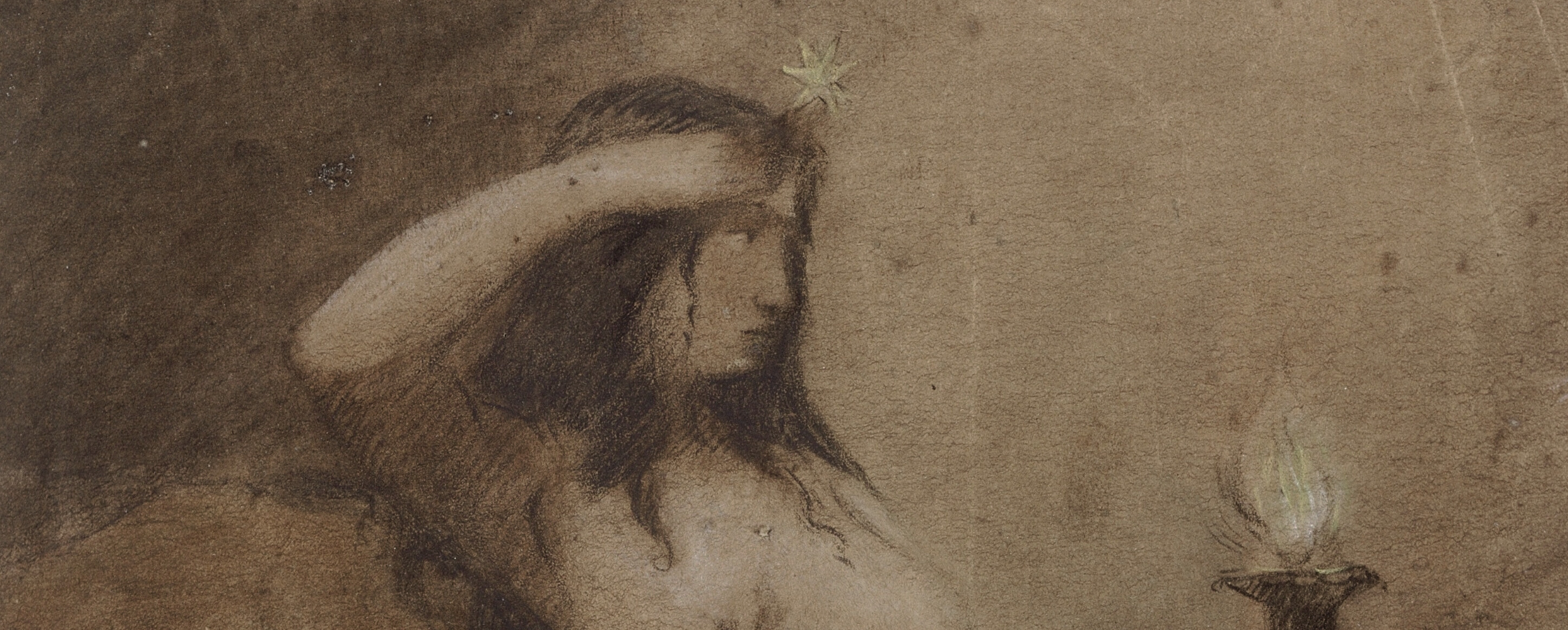
France; Attributed to the School of Redon. Half-nude Female with Torch, 19th century. The Minneapolis Institute of Art
A TORCH AGAINST THE LIGHT BY SABAA TAHIR
The second book in Sabah Tahir’s An Ember in the Ashes series. The story continues with Laia and Elias on the run. They have to be careful not to be found by the Martials or the new Blood Strike. Helen does not want to bring down her friend, turned outlaw. But she has to satisfy an Empire suffering from psychosis and navigate the dangers that surround her family. Meanwhile, the outlaws try to free Laia’s brother from Kauf—the Empire’s most secure and dangerous prison. The story of war, alliance, betrayal, love, and friendship follows.
In A Torch Against the Light, I found what I liked and did not like about the series. I greatly enjoyed the dystopian imagery and setting that Tahir created. Dismal, but it was captivating to read about a different world with the complications of supernatural forces. I noticed that the level of romance between characters increases quite a bit. The first book was focused on building the world of the Martial Empire and the way of life for each character. The sequel spent more time on deepening relationships—some romantic and some platonic. Some people may enjoy the youthful romance, whereas I tend to find it a bit excessive and not very believable.
Hugh Huntington Howard. Landscape with Gate at Sunset, n.d. The Art Institute of Chicago
A REAPER AT THE GATES BY SABAA TAHIR
The third book in Sabah Tahir’s An Ember in the Ashes series. Here begins the truth of the Commandment and the Nightbringer’s true intentions. Not only are the outlying cities under siege, but the capital itself may be under attack. The Emperor Marcus grows more unstable, and Helene, the Blood Strike, struggles with her loyalty to the empire and her family. Laia recognizes that the war closing in on the capital is not the real threat. In her hunt for the Nightbringer, Laia faces unexpected threats and may not have the support she is counting on.
Read quickly through A Reaper at the Gates, more so as to get to the last book. I was interested in how Laia’s journey would continue, but I missed the element of Elias as a Mask in the story. With him as the Soul Catcher, there was a shift in the story and more of a focus on the supernatural. Although the emphasis on the spirits was important to the plot, I missed the more tangible dystopian storyline of the first books.
Joseph Mallord William Turner. Valley of Aosta: Snowstorm, Avalanche, and Thunderstorm. 1836–37. The Art Institute of Chicago
A SKY BEYOND THE STORM BY SABAA TAHIR
The fourth book in Sabah Tahir’s An Ember in the Ashes series. This is the conclusion of the Nightbringer’s true design. He wants to cause events that would affect the real world and the spirit world, and perhaps destroy the world. Alongside the Nightbringer is the Commandment Keris Veturia, who declares herself Empress. Laia begins to understand the role she plays in the Nightbringer’s havoc, and in doing so, she awakens an ancient power. Meanwhile, the Soul Catcher tries to forget his old life and the love he left behind, but doing so would be to ignore human anguish and suffering.
The clash of the physical world and the supernatural world came to a head in this story. I was excited to read about the fallout and future of the empire. I was more interested in the series' dystopian aspects than in the supernatural elements or youthful romances. I liked the culmination and climax with Keris Veturia and the interesting conclusion of how a person can become so corrupted. This should not detour another reader, but I am not a ‘romancy’ type of reader. I like books with romance, I also like fantasy, and I like young adult books from time to time. If you are a fan of all three, then I believe you will really enjoy this series. I greatly enjoy the world-building aspects of fantasy, so once the plot centers more on romance, I lose some interest in the story. So, this series was a little much for me.
I started reading Fourth Wing and found it far too similar to An Ember in the Ashes. Yes, one has dragons, and the other doesn’t. And yet they both have a brutal regime, a seemingly weak female protagonist, a severe mother in command, and, of course, an attractive love interest. For my part, I think Sabaa Tahir’s series is better than Fourth Wing—her writing and her plot lines. Although I wanted to read more about a futuristic Roman regime, the spiritual elements were still interesting and made the protagonist's goals seem nearly impossible. This kept me reading along, knowing that Laia and Elias would somehow make it through, but I could not understand how they would with so much against them. Perhaps some people might not find my review of the two books fair. I read all four of the An Ember in the Ashes series and only the first few chapters of Fourth Wing. Or perhaps that tells you all you need to know.
Jean-Jacques Henner (French, Bernwiller 1829–1905 Paris). Young Woman Praying. The Metropolitan Museum of Art
KATHERINE BY ANYA SETON
A classic historical fiction tale of the romantic lives of Katherine Swynford and John Gaunt, Duke of Lancaster. The importance of the love affair that involved betrayal, adultery, redemption, and legitimization is evident in their descendants. Their granddaughter, through Joan Beaufort, was Cecily Neville, who married Richard of York, 3rd Duke of York, and had several children, two of whom became kings of England: Edward IV and Richard III. Their great-granddaughter, Lady Margaret Beaufort (granddaughter of John Beaufort, 1st Earl of Somerset), would marry Edmund Tudor, and their son would become Henry VII, King of England.
I greatly enjoyed reading about Katherine de Roet and her rise in the English Court. The book reads very similarly to Sharon Kay Penman. Rather, since this book was published in the 1950s, Penman writes a lot like Anya Seton. Better than any non-fiction tale of a notable woman in history, Seton weaves together narratives and brings the characters to life in a riveting way. Once I started and grew accustomed to the 14th-century setting, I could not put the book down. The only part of the story that felt a little shaky was Katherine's later life and the decisions she made, but when I read factual accounts of her story, I found Seton to have some creative license, but it was fairly accurate.
If you are a fan of historical fiction, Seton is a wonderful writer for the genre. Detailed, rich, and visual, her writing painted an in-depth picture of the era around Edward III. The main emphasis is a love story, and amid so much upheaval in a real time in history, the story of John of Gaunt and Katherine Swynford was very satisfying.