ADVENTURES IN BUENOS AIRES | PART TWO
Recoleta Cemetary
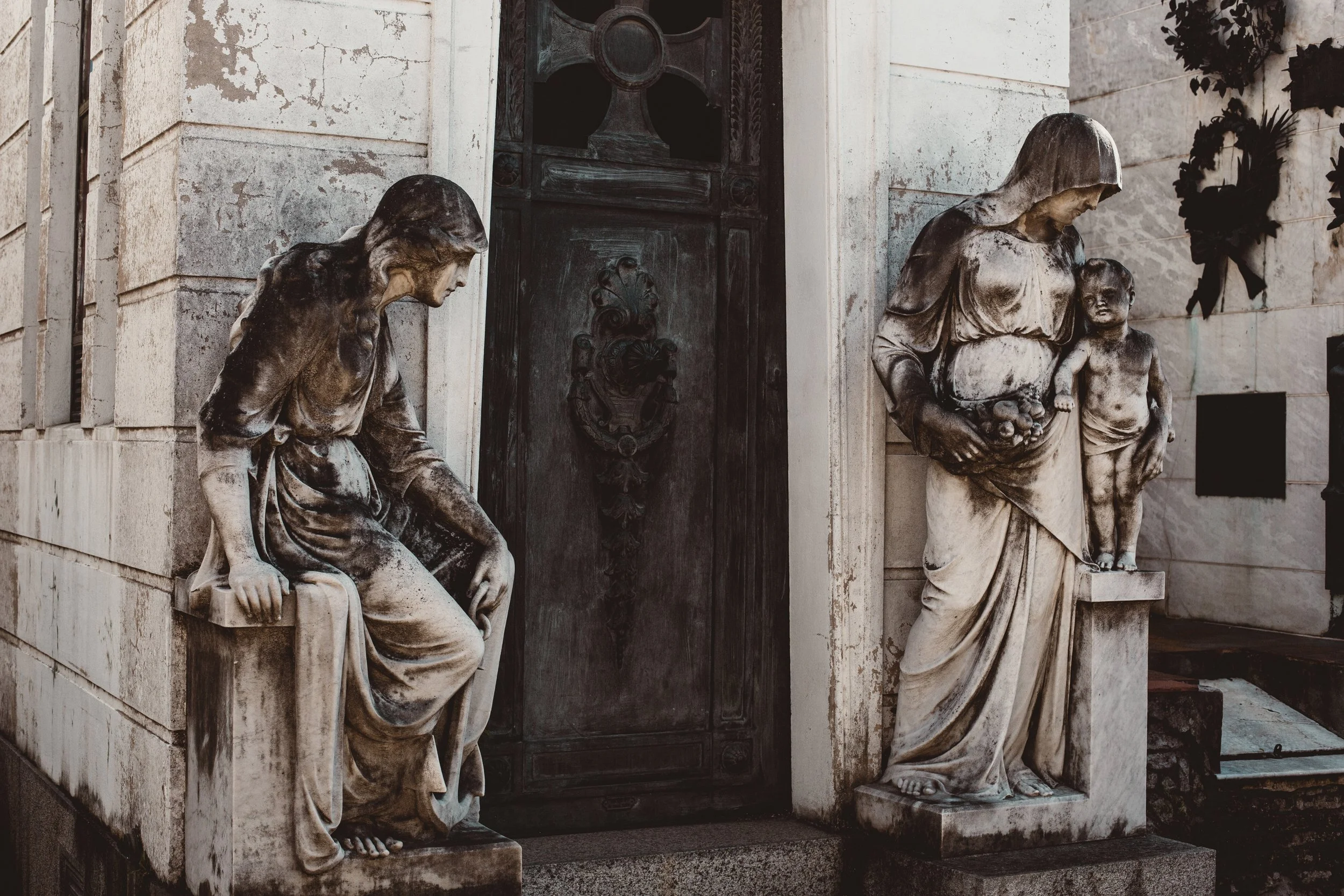
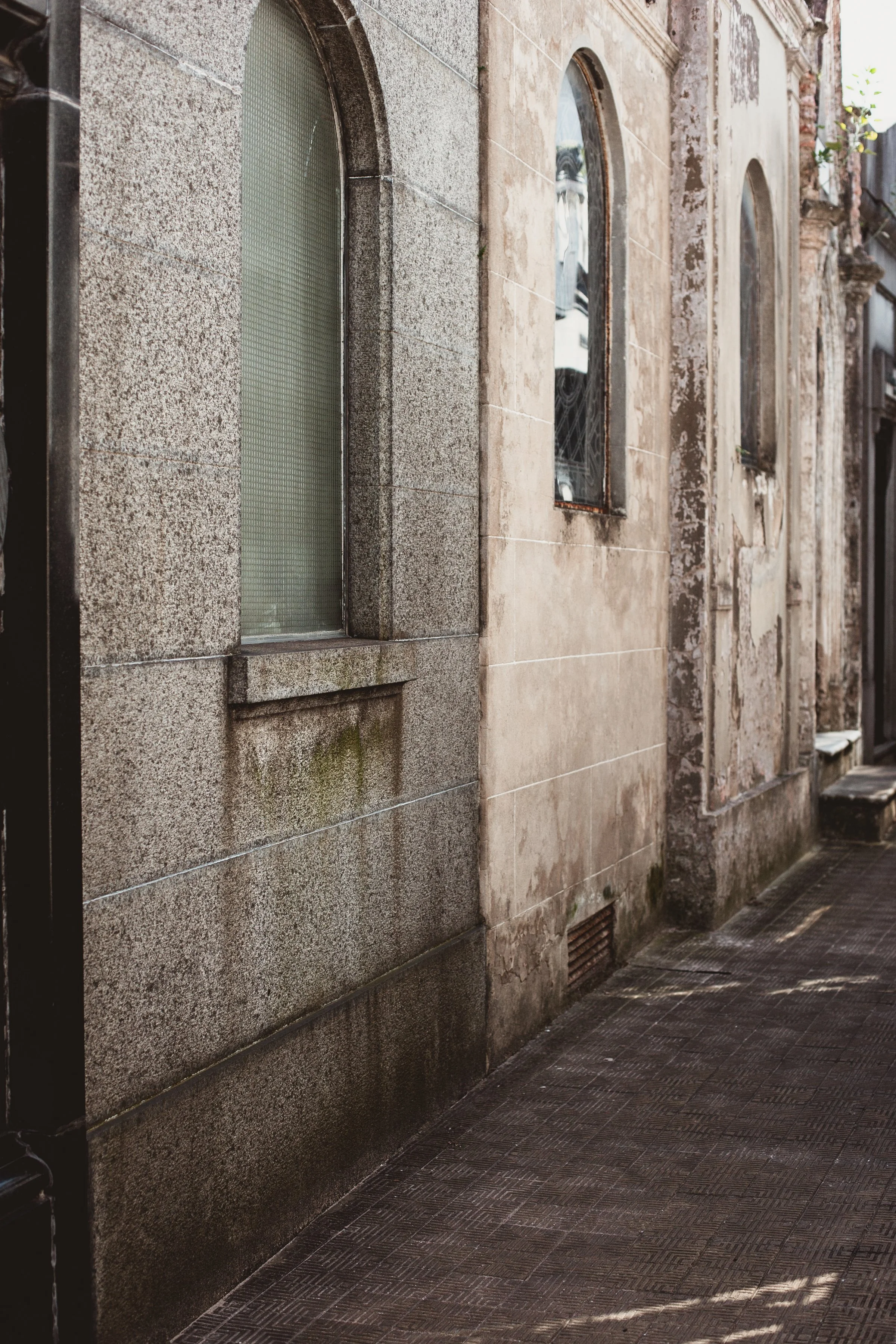
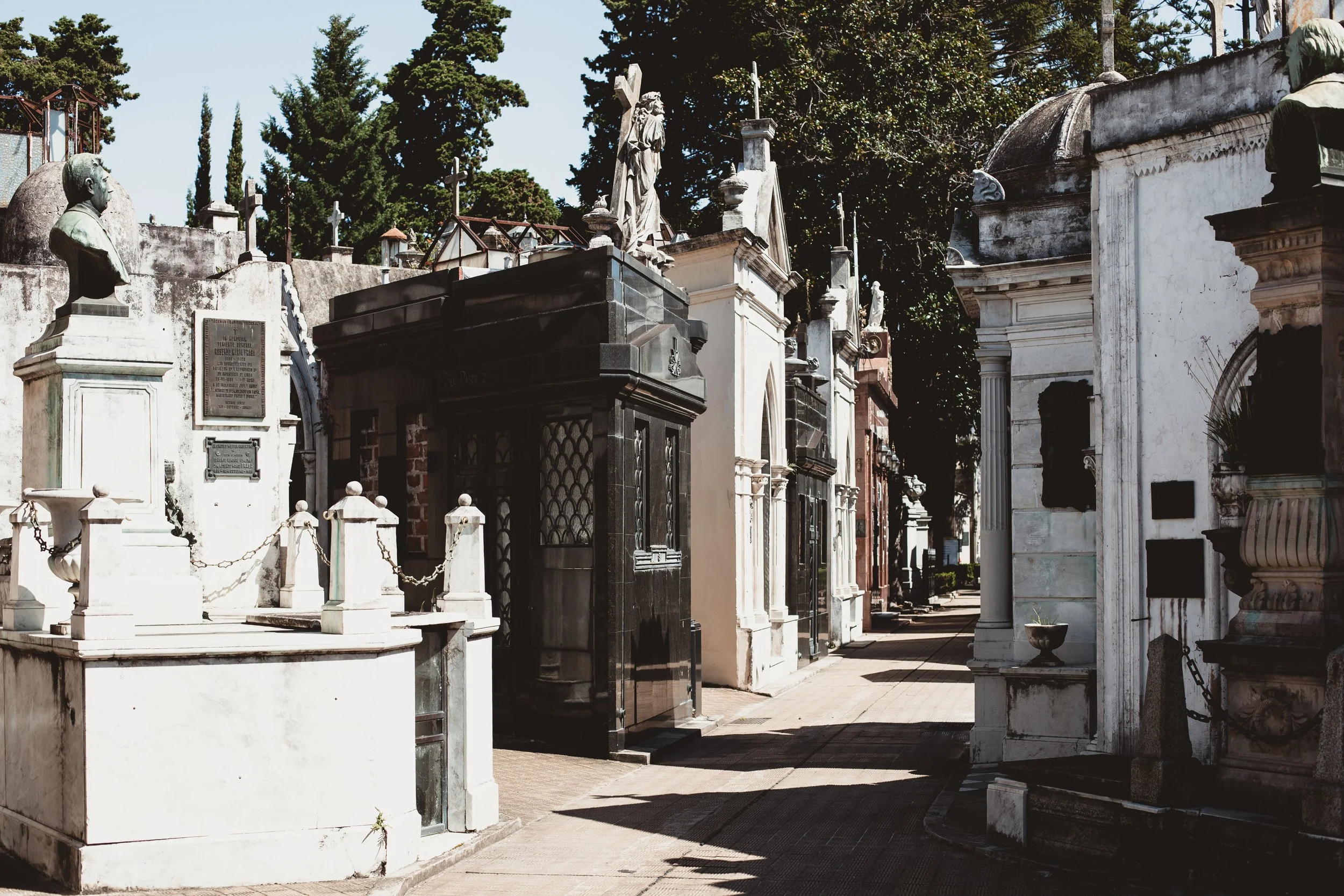
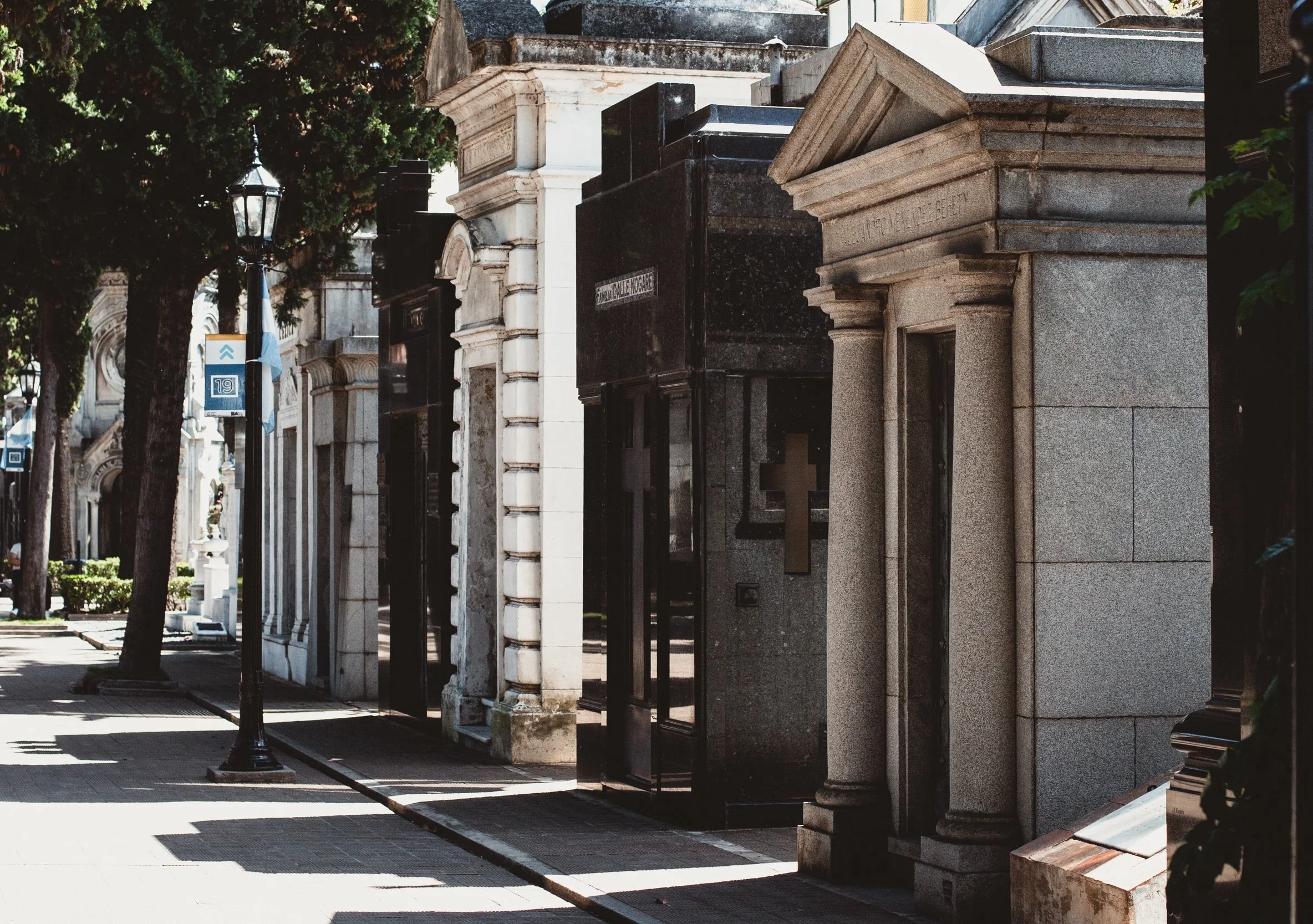
A large section of the Recoleta neighborhood is home to a cemetery filled with mausoleums shaped like pyramids, Greek temples, and cathedrals. In the 19th century, Western Europe exerted significant influence on Buenos Aires's upper class. Italian marble was everywhere in the cemetery, as were symbols and architectural styles found in many European cities.
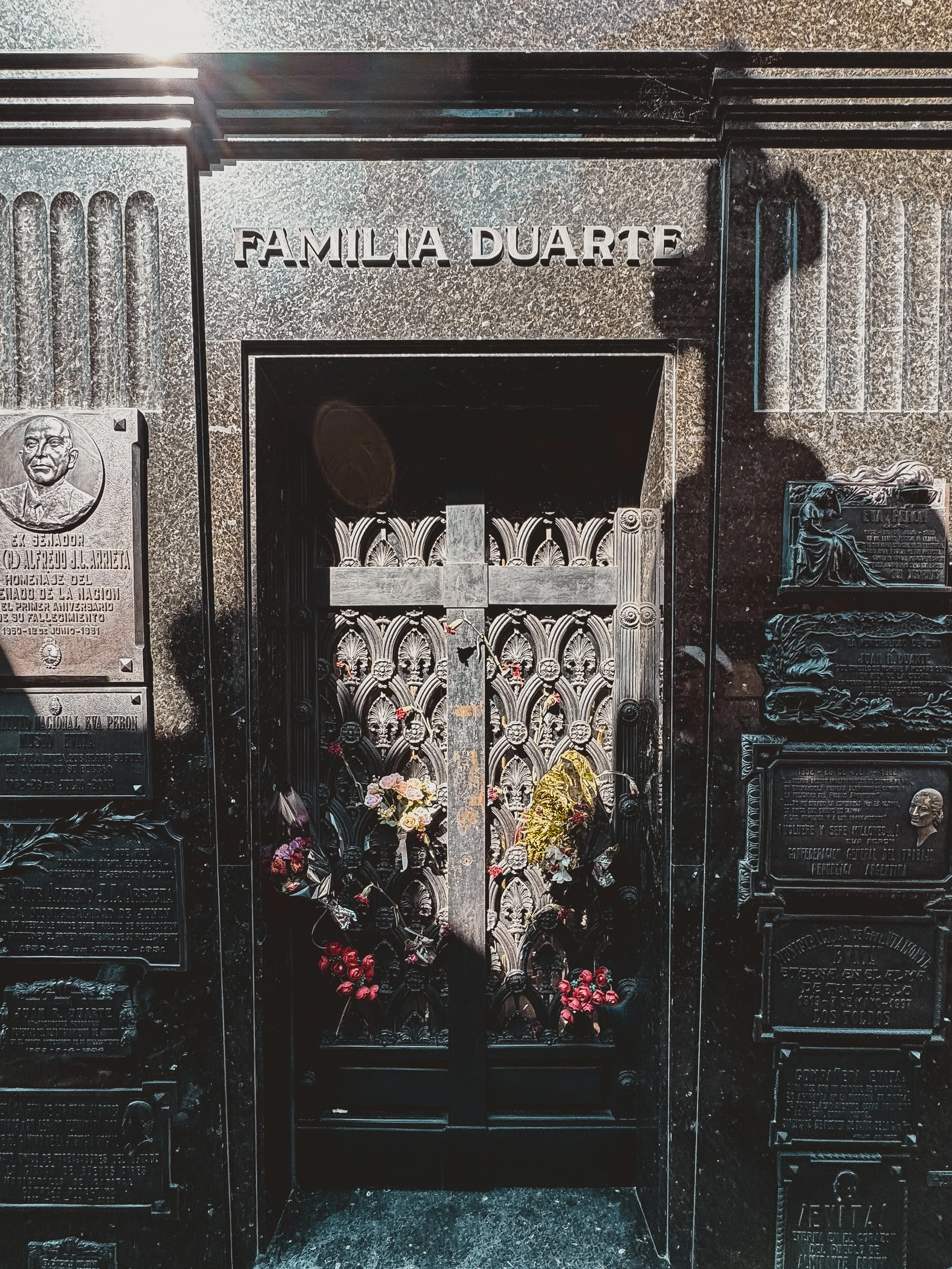
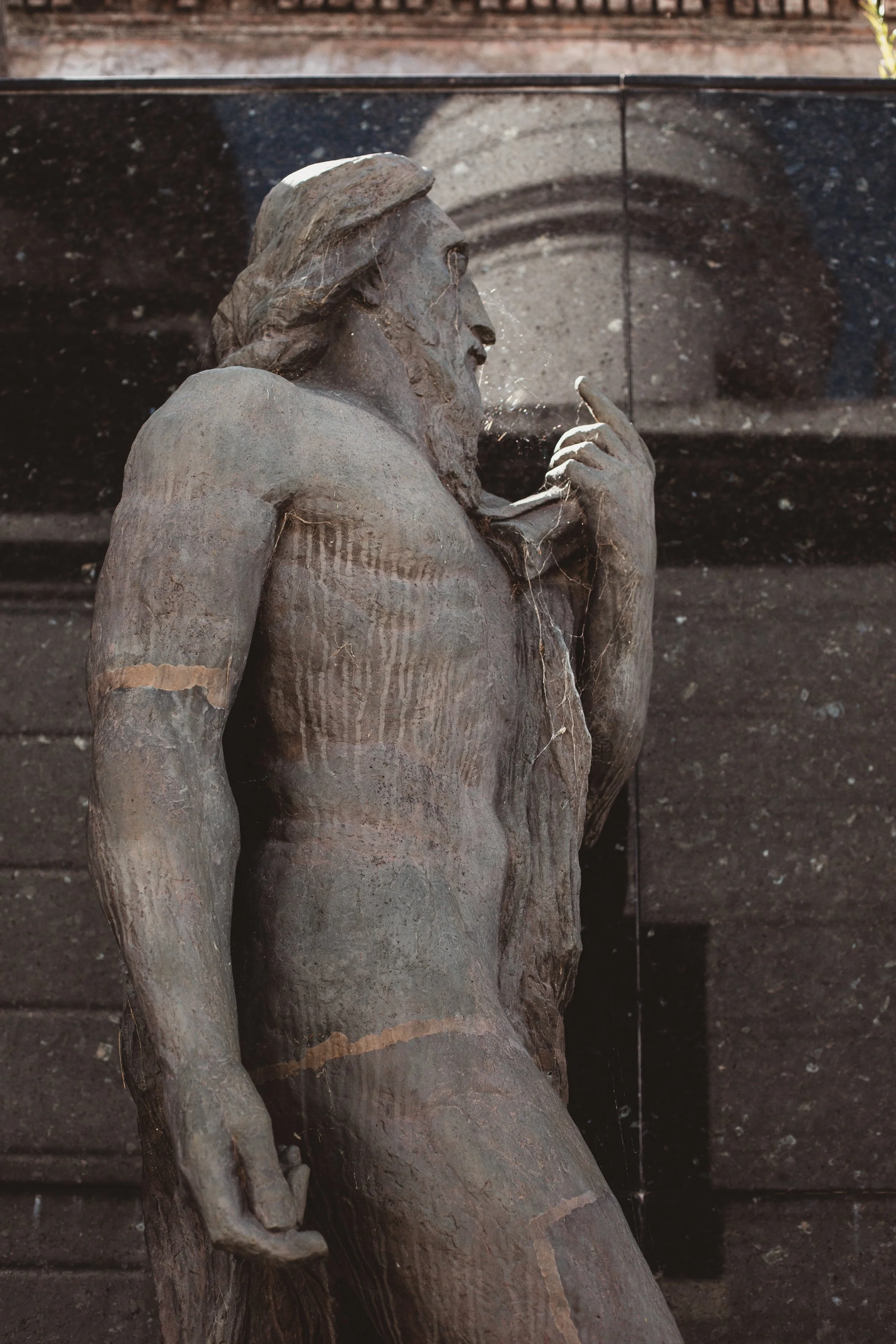
There are over 6,000 statues, sarcophagi, coffins, and crypts in the still active cemetery. Many of the celebrated Argentinians are buried in the city of the dead, not least of all, Eva Peron. The land once belonged to the Recollect monks, and besides blessing the neighborhood with its name, it also opened the first public cemetery in 1822.
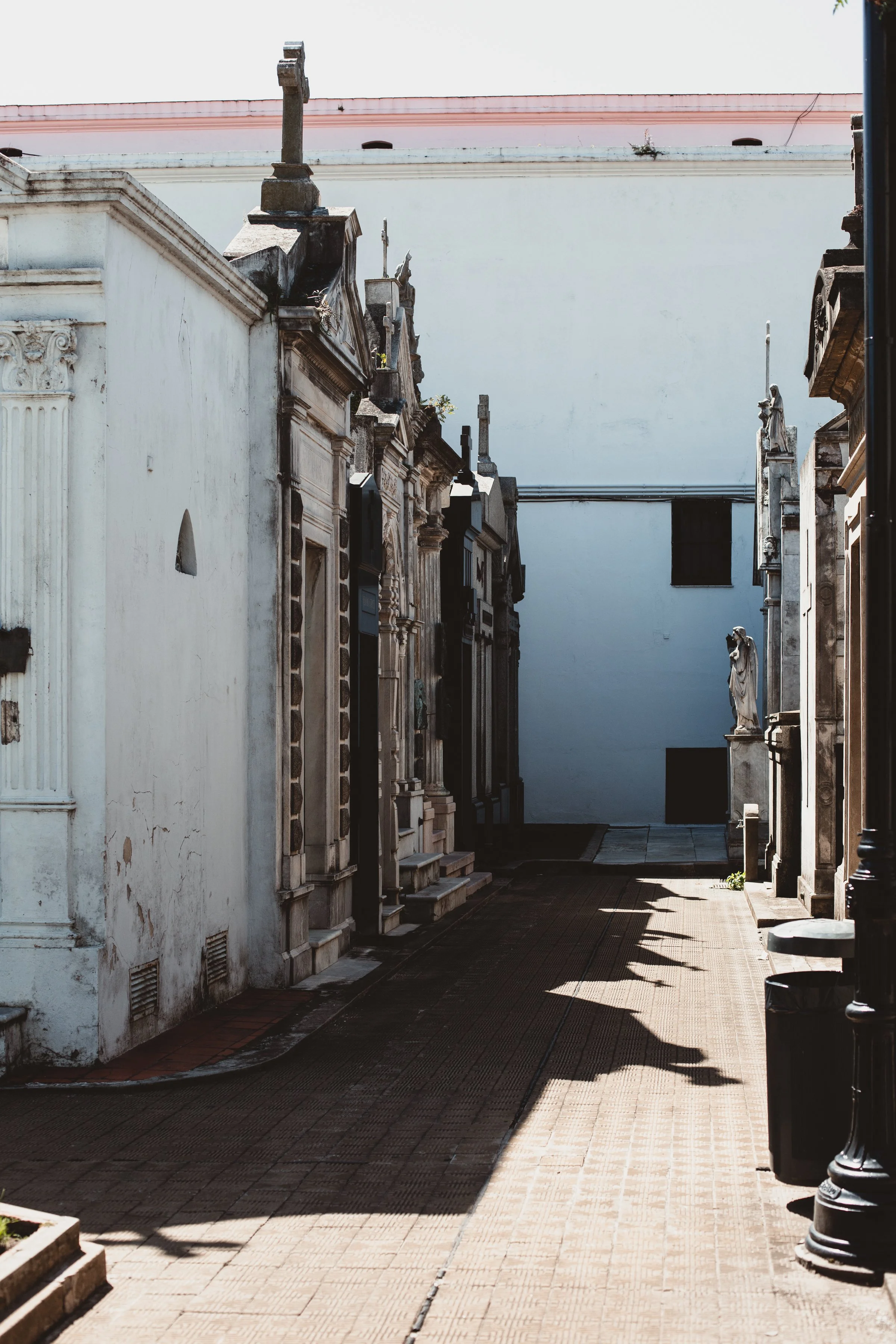
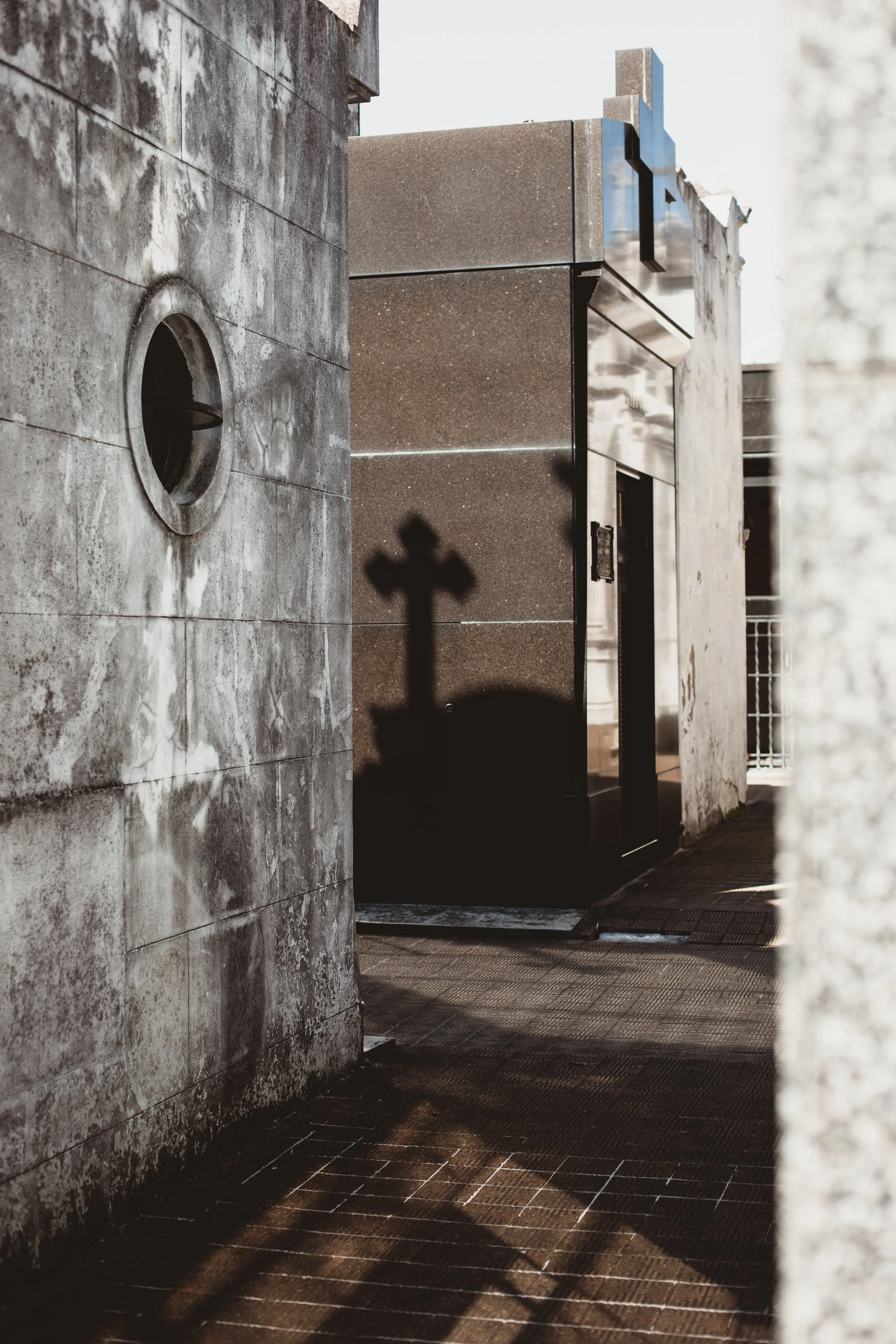
The towering marble mausoleums and shadowed walkways create an eerily beautiful setting for exploring the country's history. Visitors can appreciate styles such as Art Nouveau, Neo-Gothic, Baroque, and Art Deco, as well as symbols that might be Masonic or religious in nature.
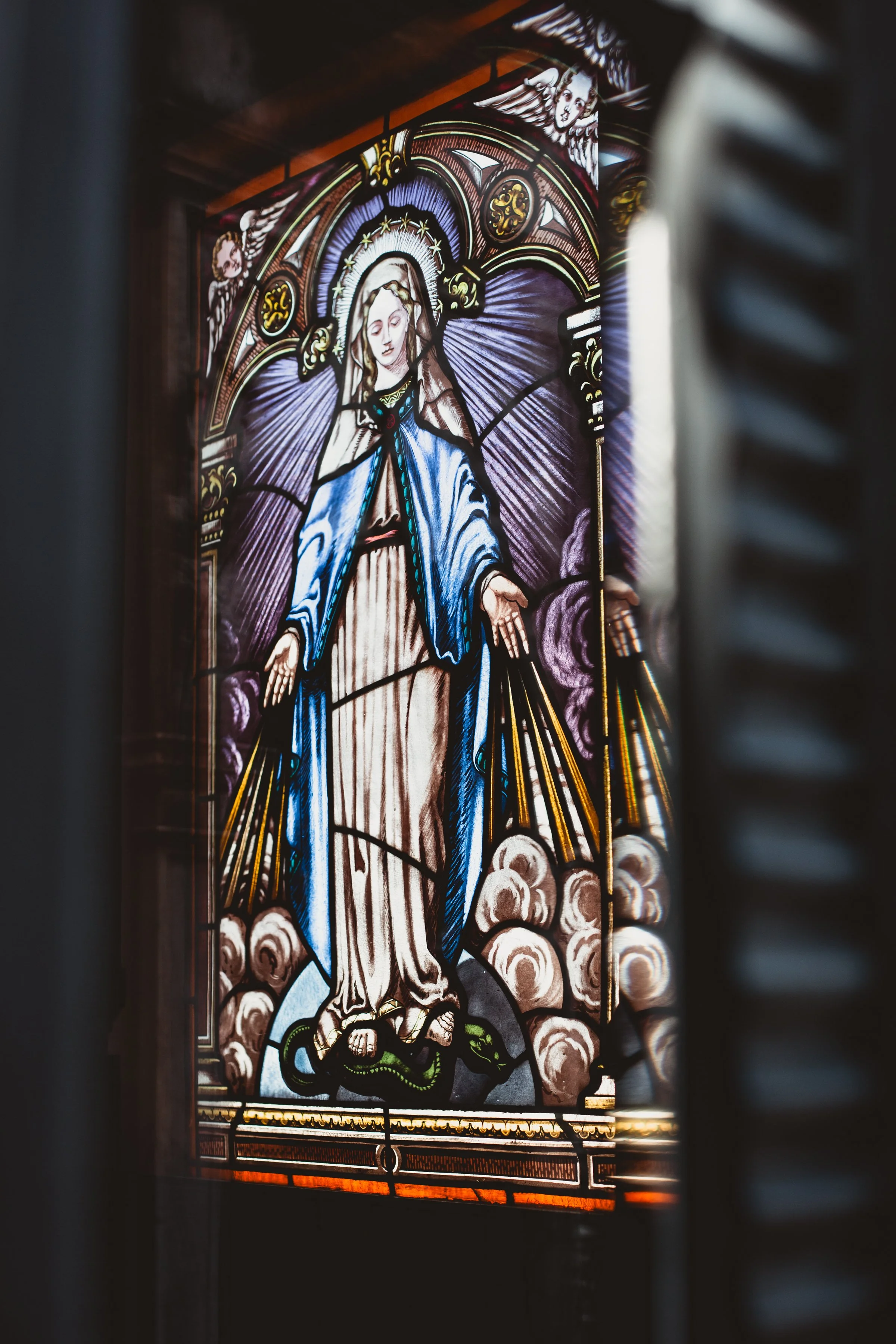
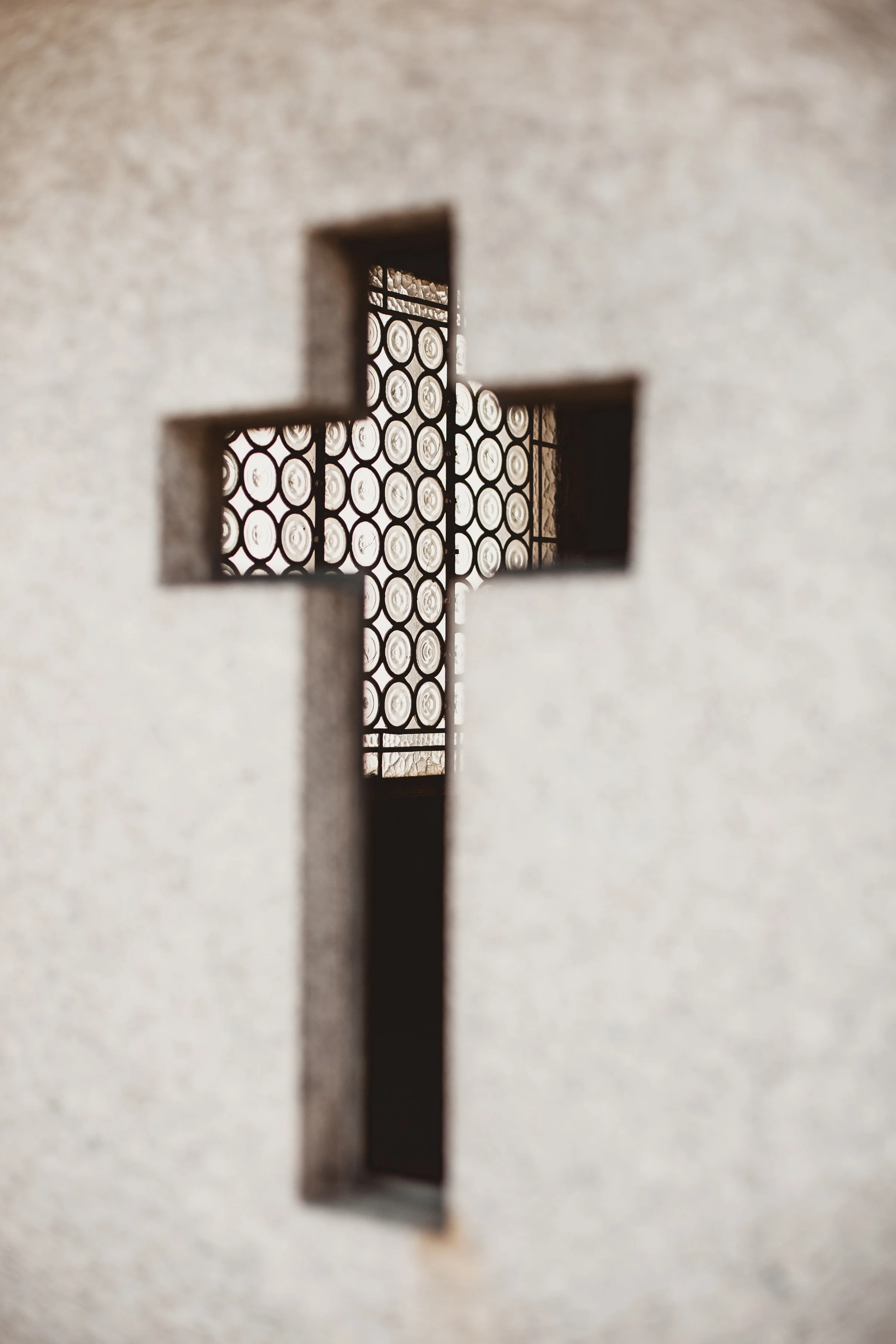
The cemetery exuded a sense of tranquility despite the pervasive presence of death. The mausoleums were particularly impressive, especially when viewed from the inside. They were designed to allow stained glass to shine inward onto the loved ones resting within. Crosses and saints appeared to glow vividly when one looked into the carefully crafted chambers.
LIFE AMIDST DEATH
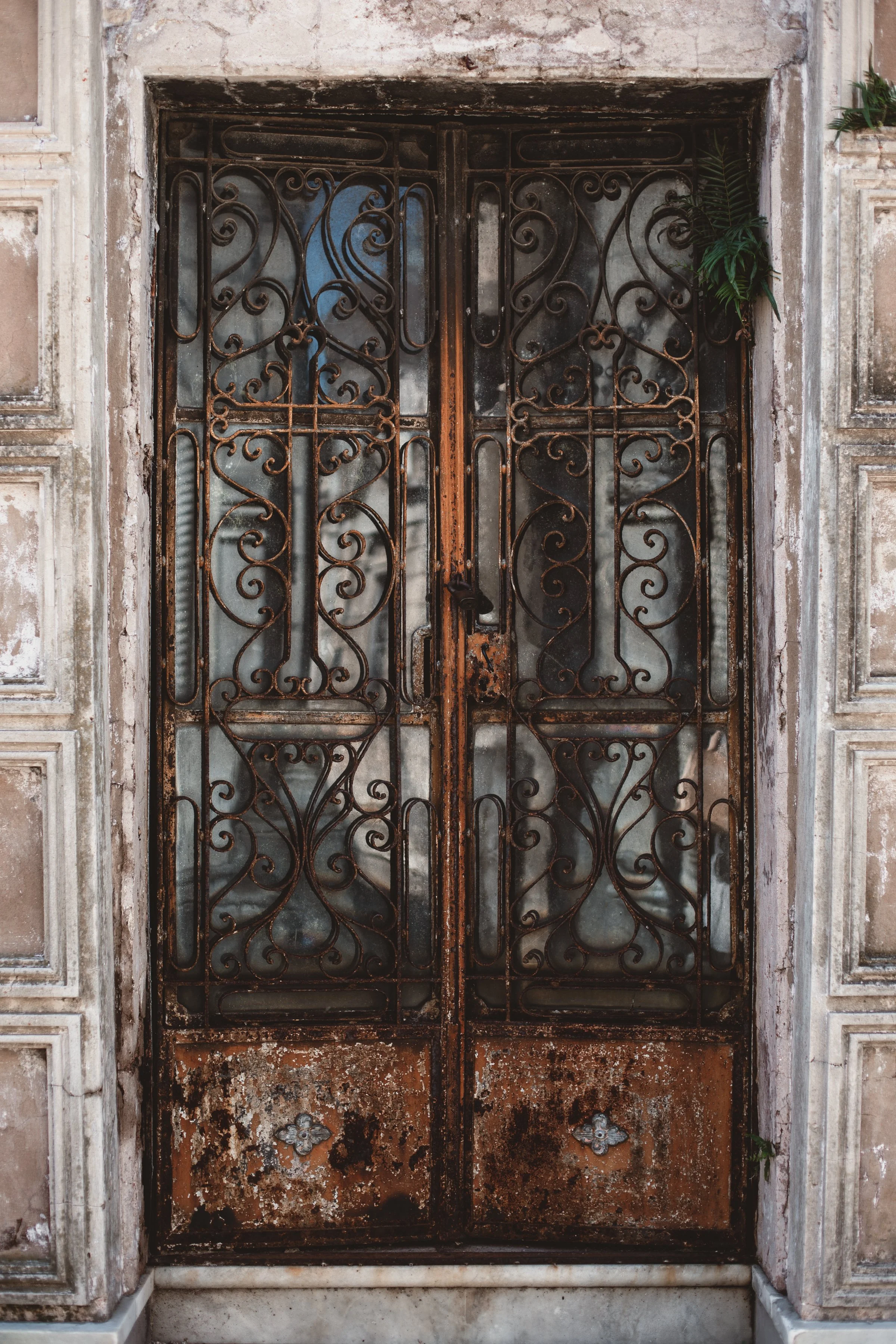
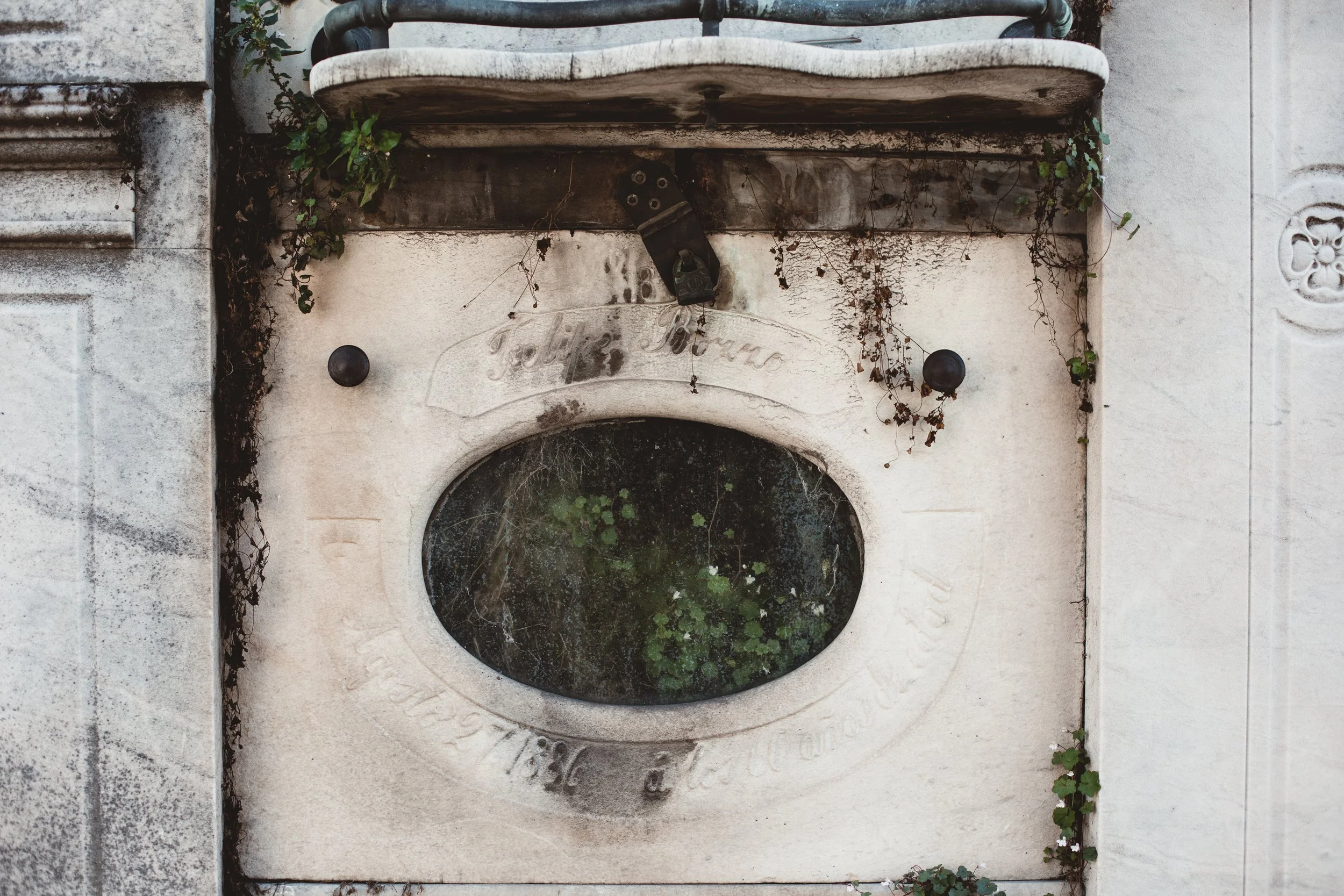
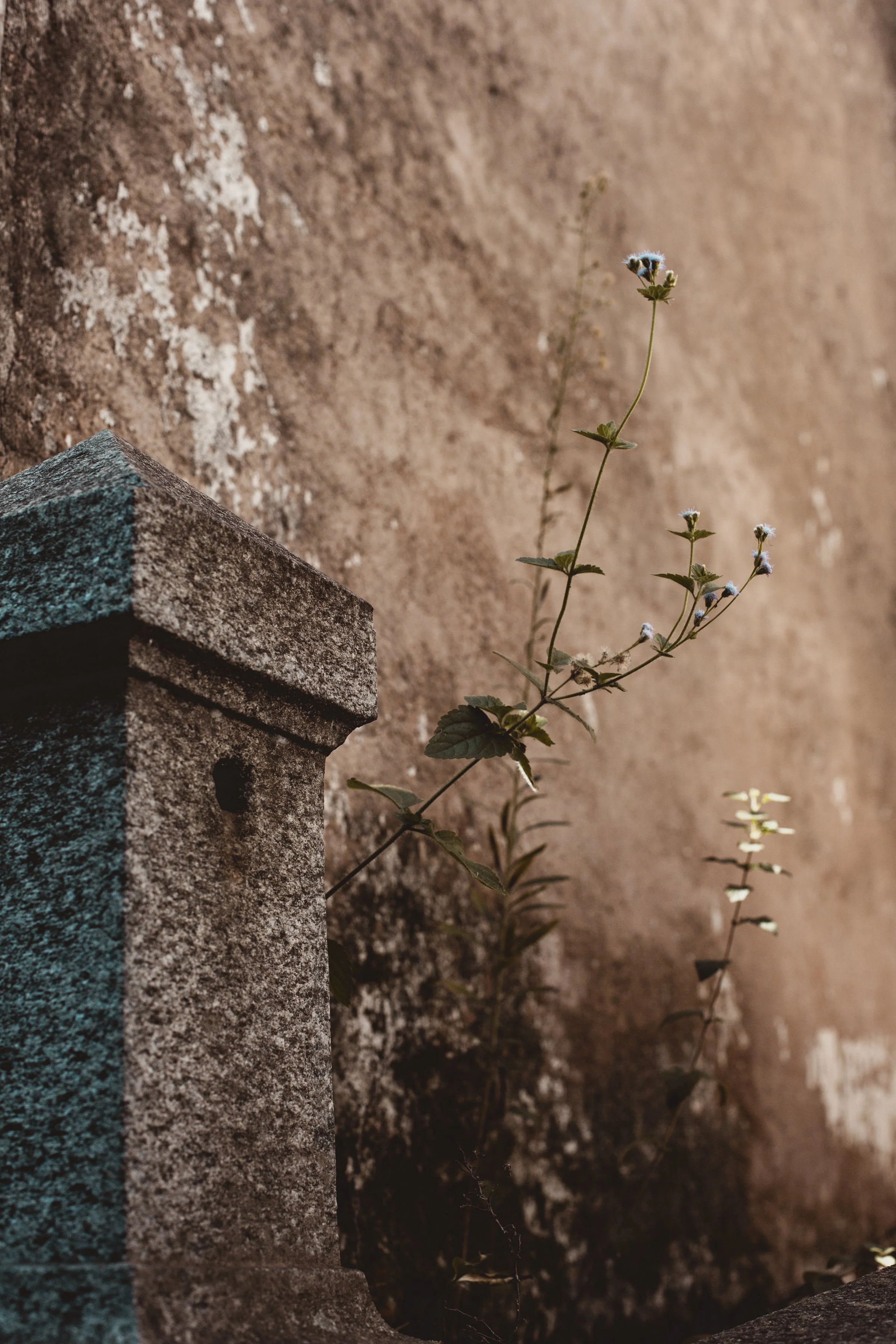
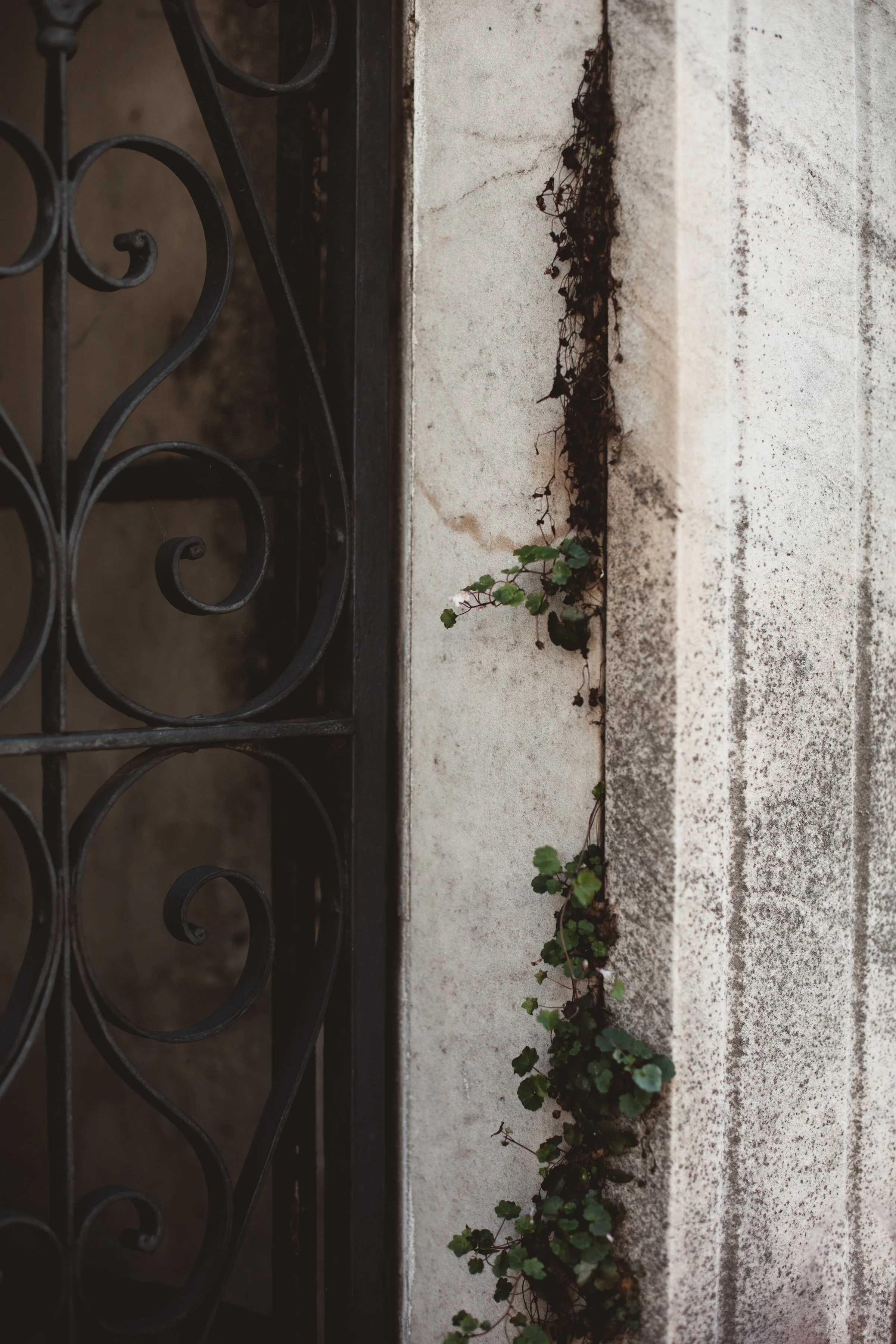
The cemetery is not just historical; it remains active and open as a resting place for the recently departed. Amid the many structures for the dead, signs of life are scattered throughout. The circular symbolism of death and life is visible everywhere: a flower in a corner, a vine grasping a gate, or green leaves emerging through cracks in the mortar.
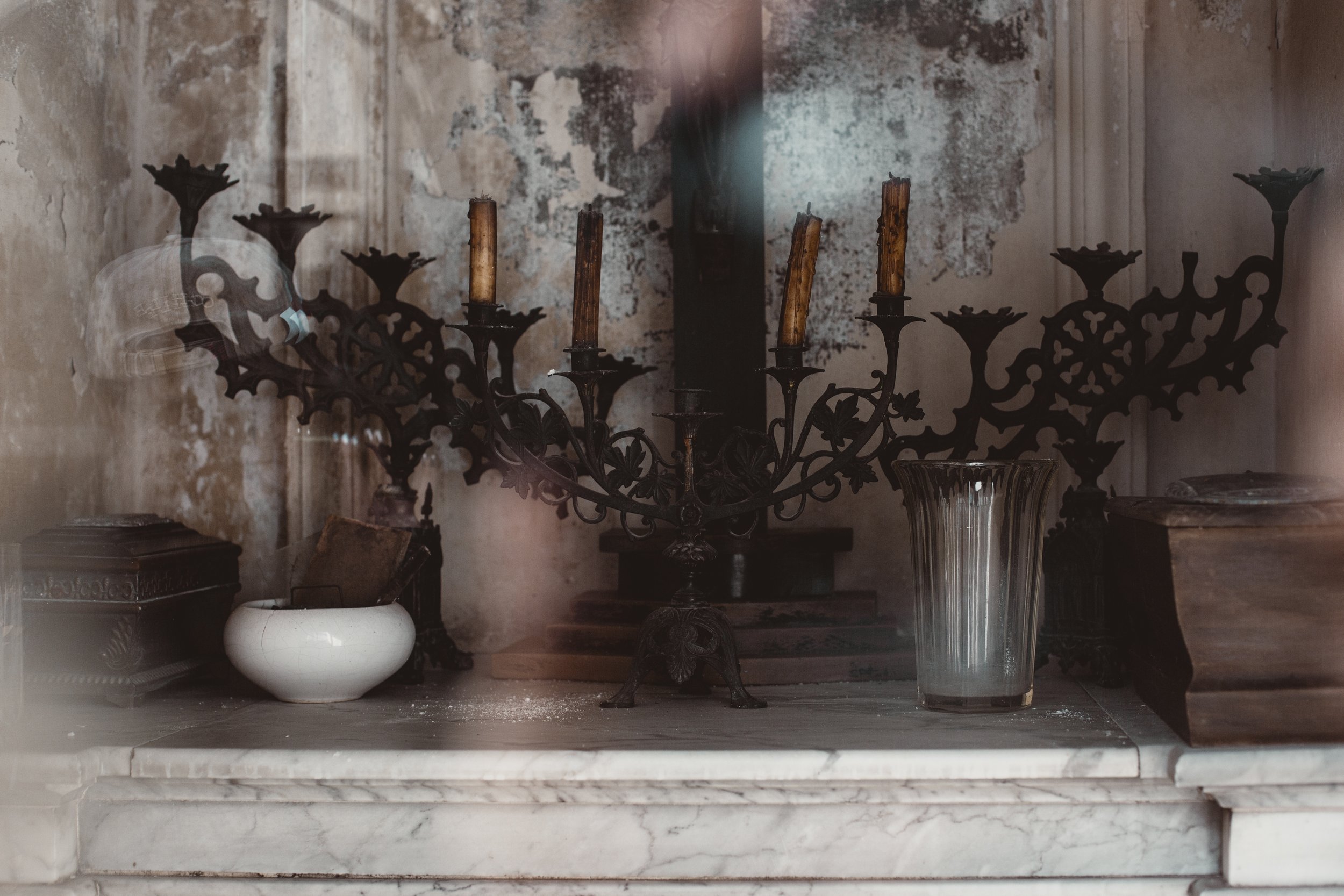
Other signs of life included numerous tributes and offerings from loved ones, placed on doors or shelves inside. In addition to flowers, people also leave candles, handwritten notes, ribbons, rosaries, and other tokens. Looking into windows reveals that the living are still among the departed.
Jardín Botánico Carlos Thays
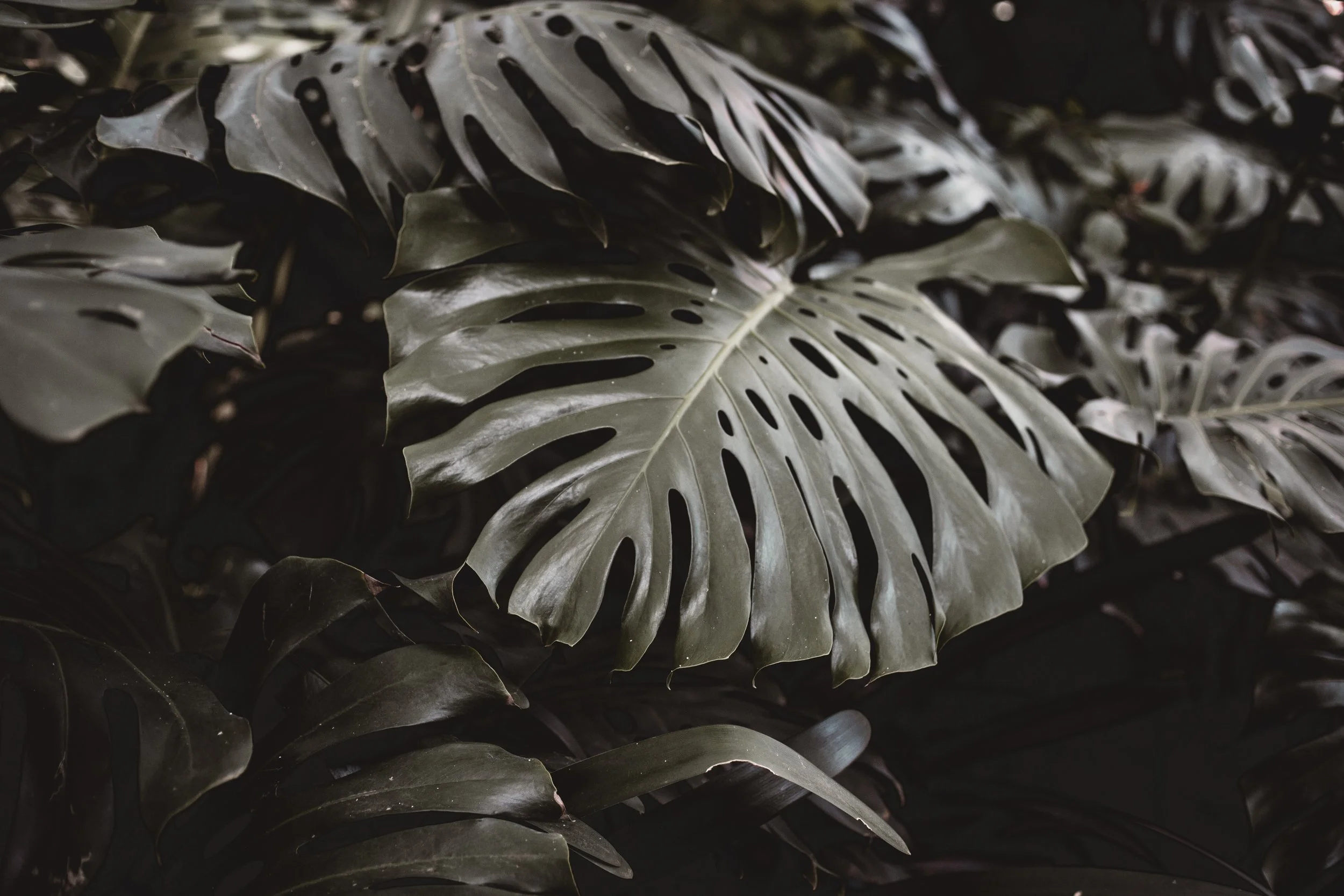
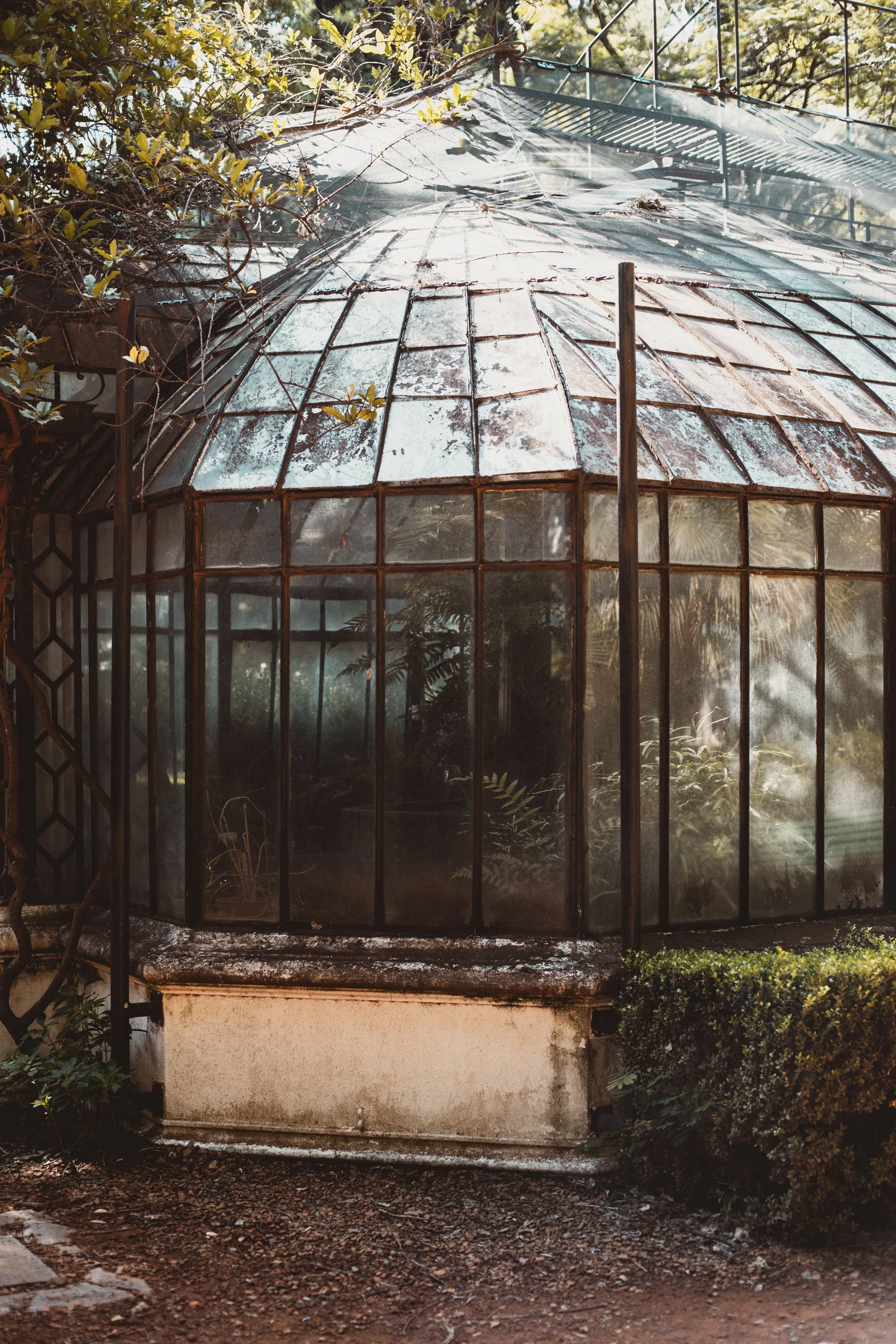
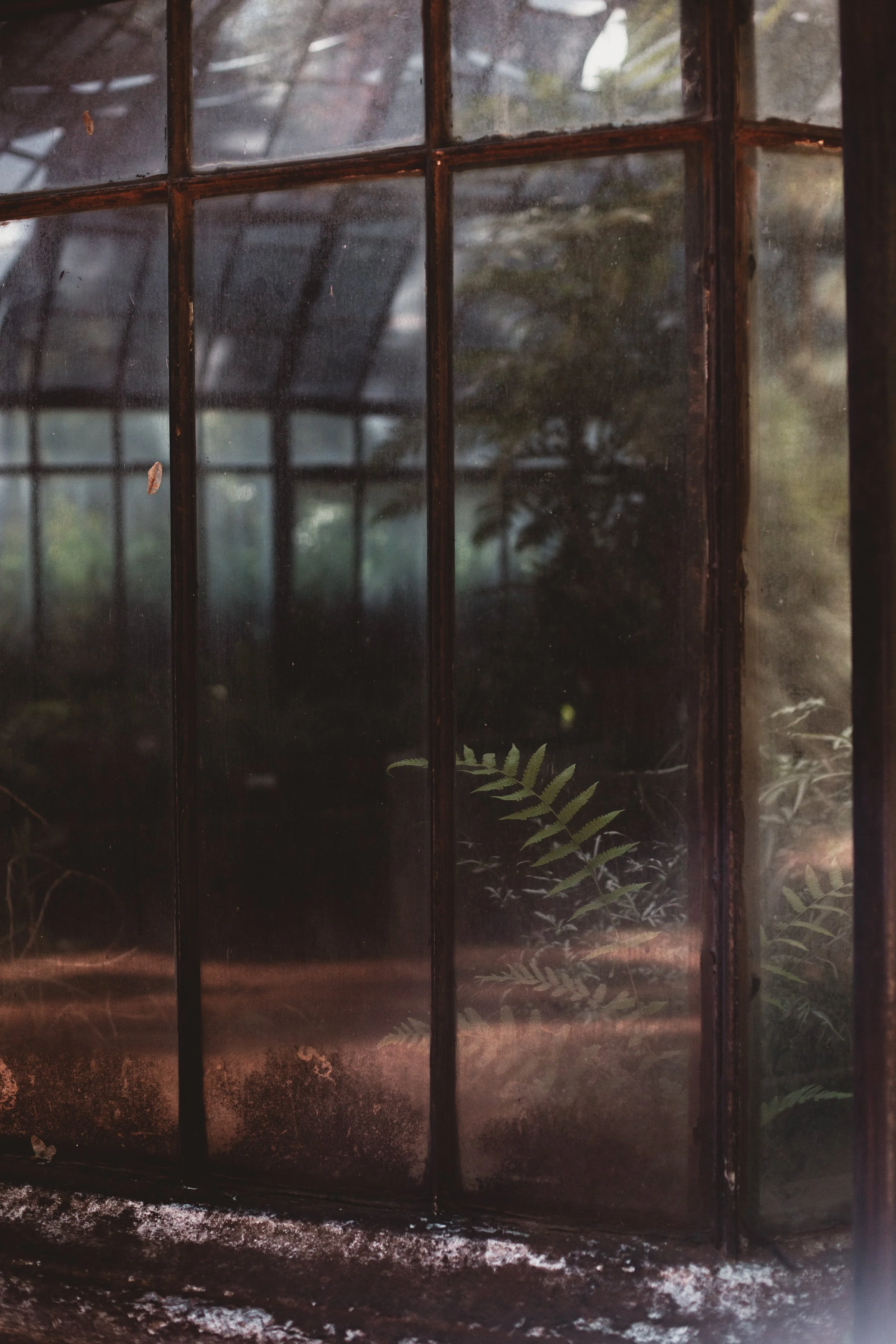
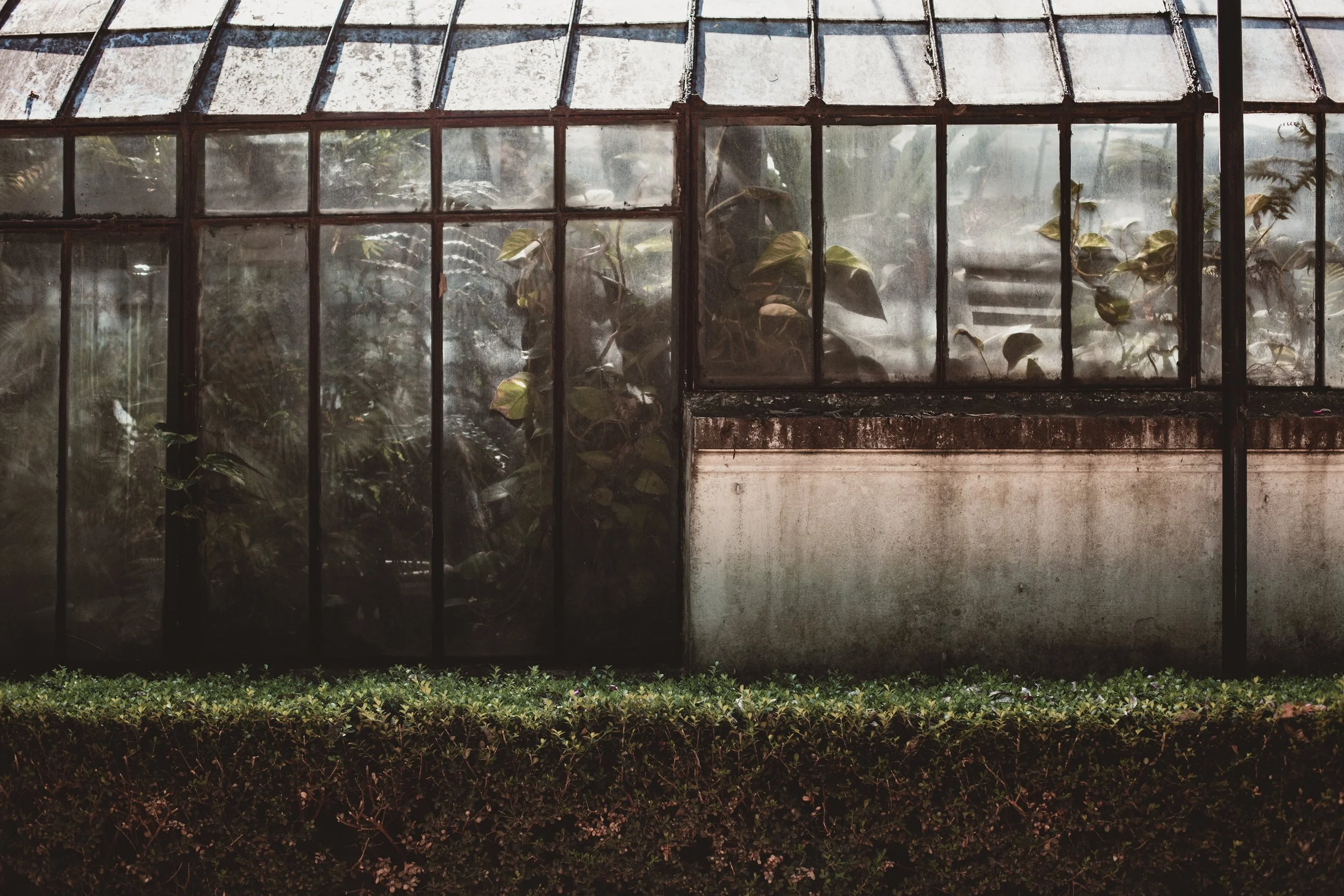
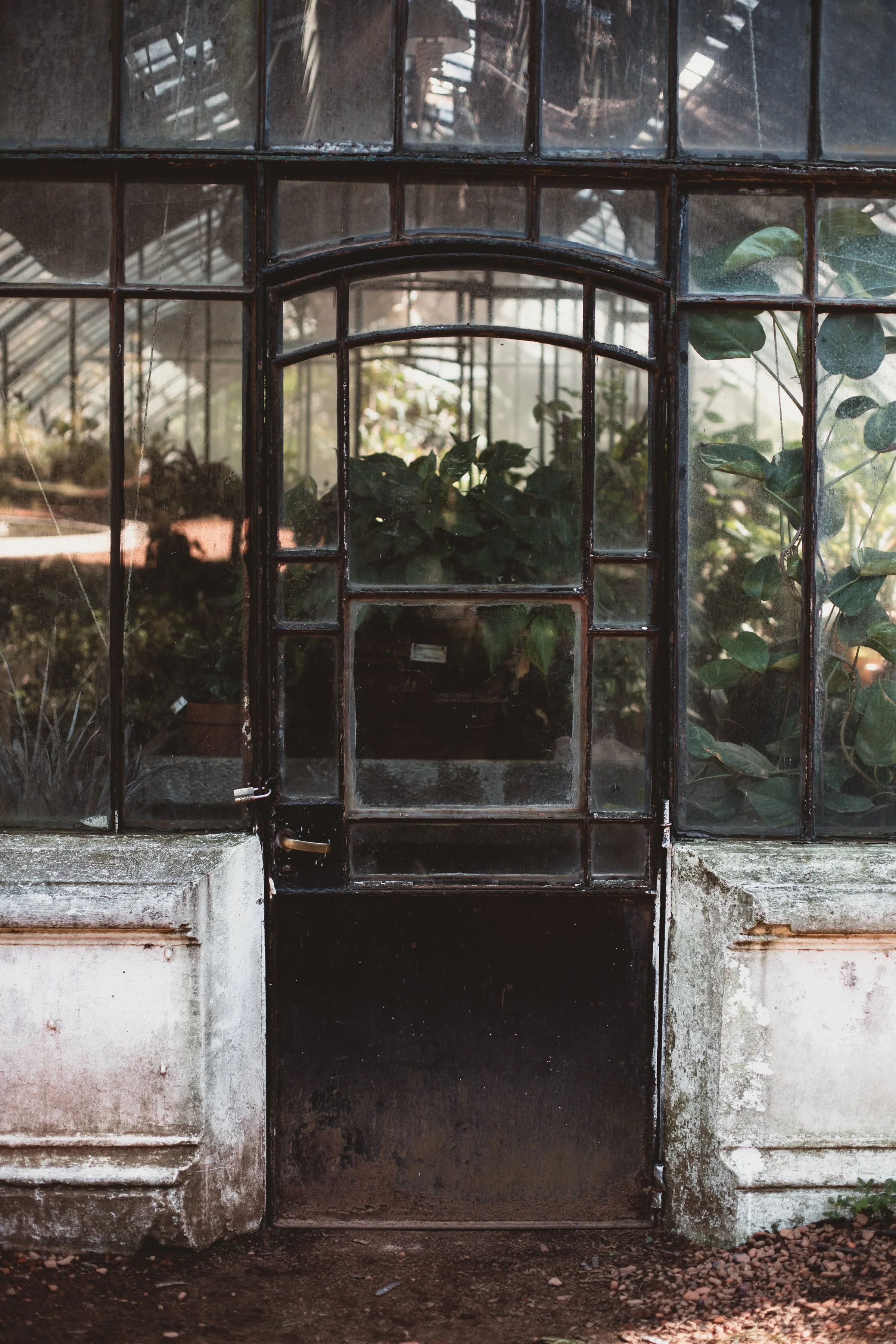
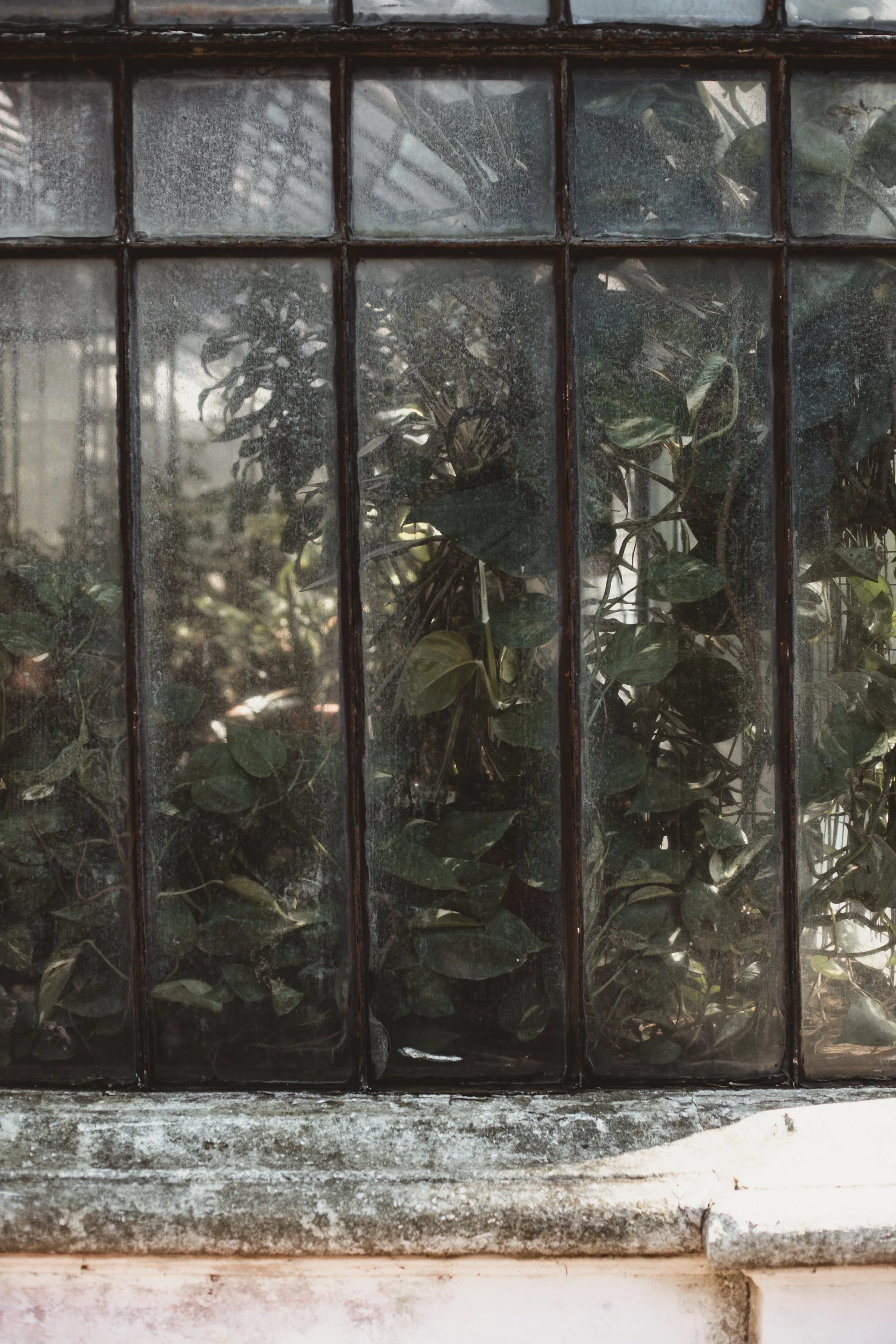
The botanical gardens serve as a stunning natural oasis in the city center, home to over 6,000 trees and plant species. They display a curated collection organized by themes like French, Asian, and Roman styles, featuring many plants and trees native to Argentina and other regions. Several greenhouses are spread throughout the grounds, with a prominent central greenhouse offering a romantic setting.
Among the greenery, many sculptures and an English-style house served as temporary art exhibitions. There is also a gardening school on site that serves the city, founded by French landscaper Charles Thays, who also designed several parks and squares. Similar to Europe, the city is filled with park squares that offer community space and fresh air.
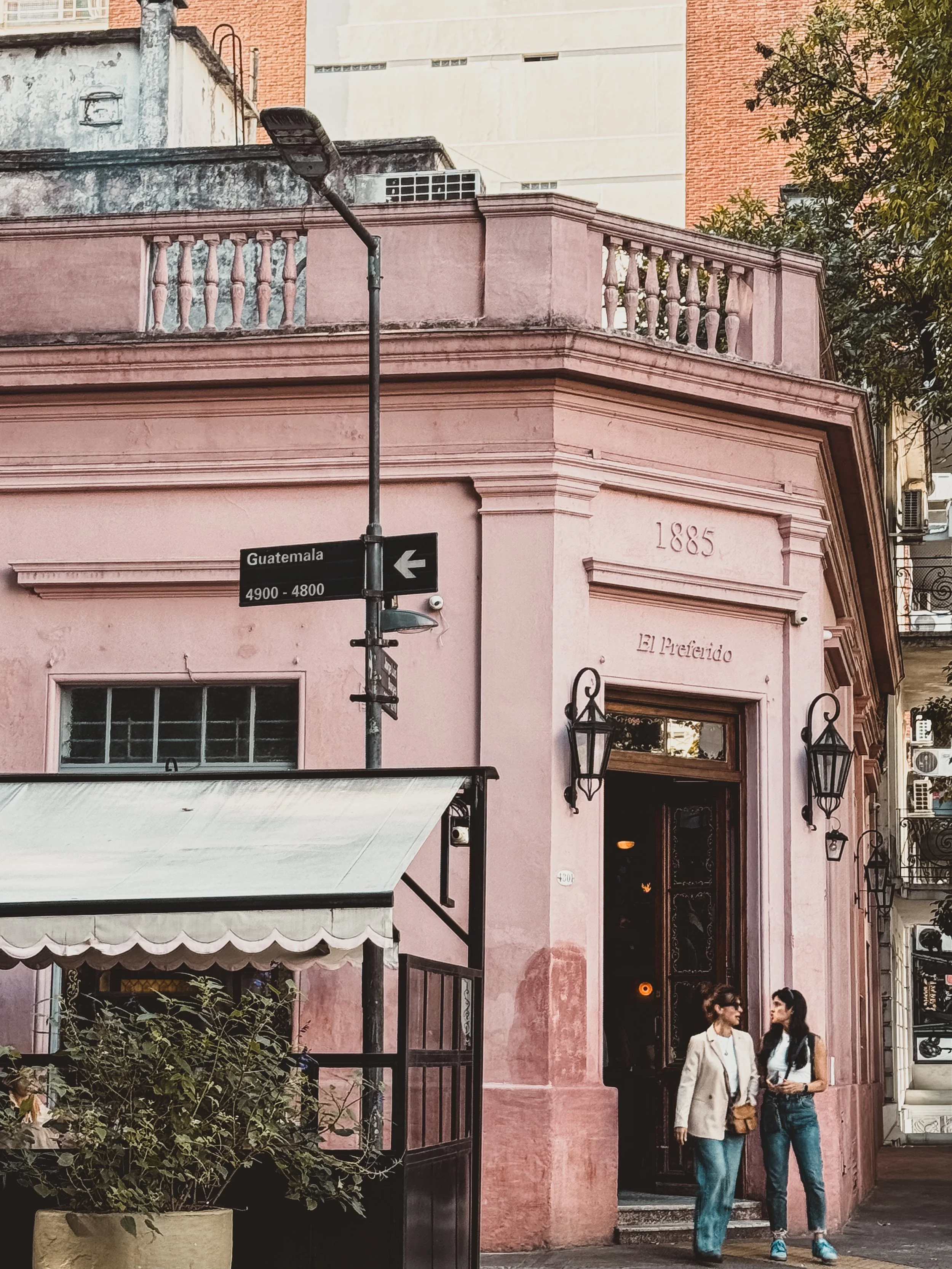
El Barrio de Palermo
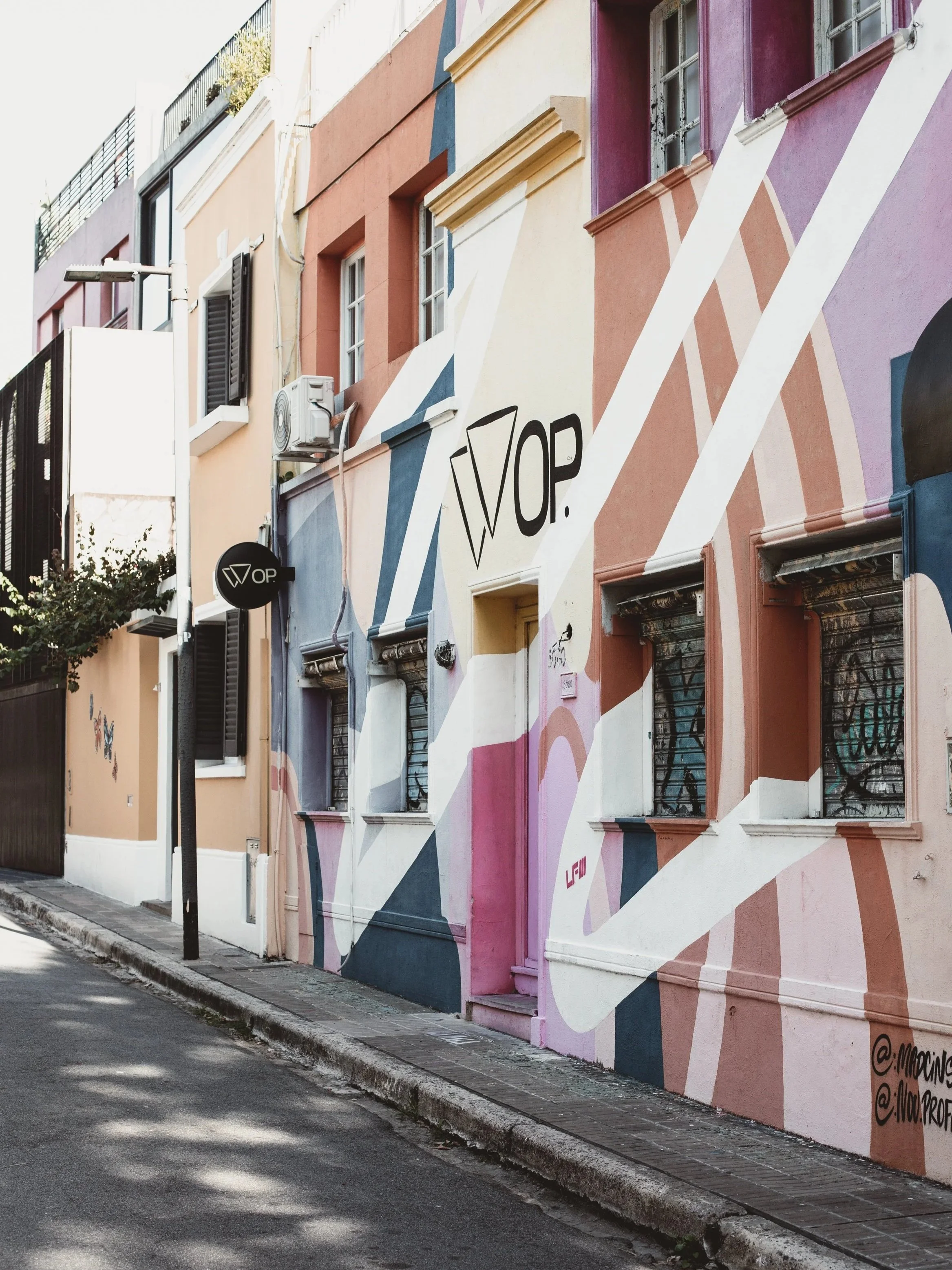
Palermo, the largest neighborhood in Buenos Aires, is the city's trendy district, featuring numerous large parks and gardens. Notable green spaces include Tres de Febrero Park, the Botanical Gardens, the rose garden, and the Japanese Garden, all occupying blocks within the area. Additionally, several museums are located here, such as the National Museum of Decorative Arts and the Museo de Arte Latinoamericano.
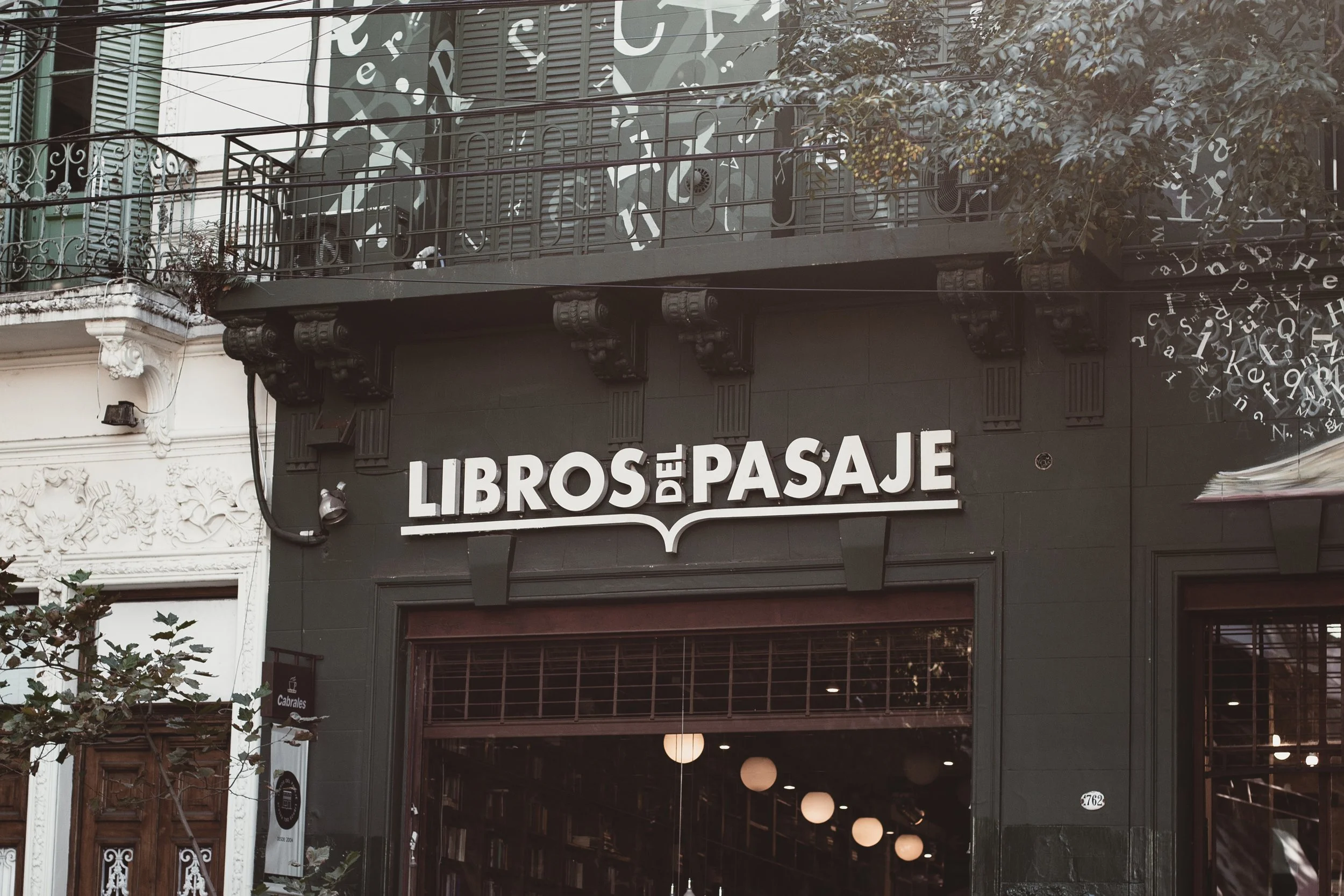
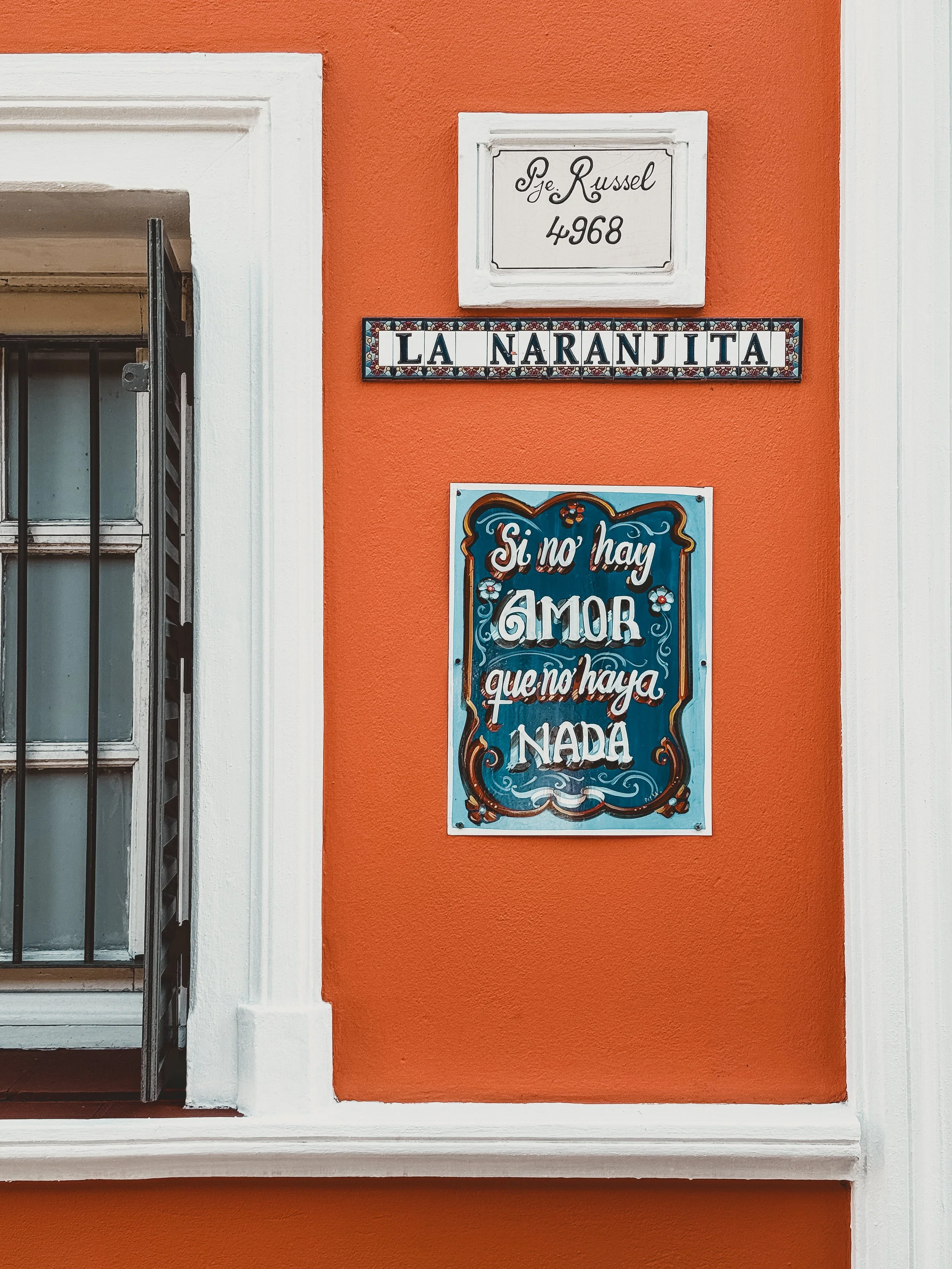
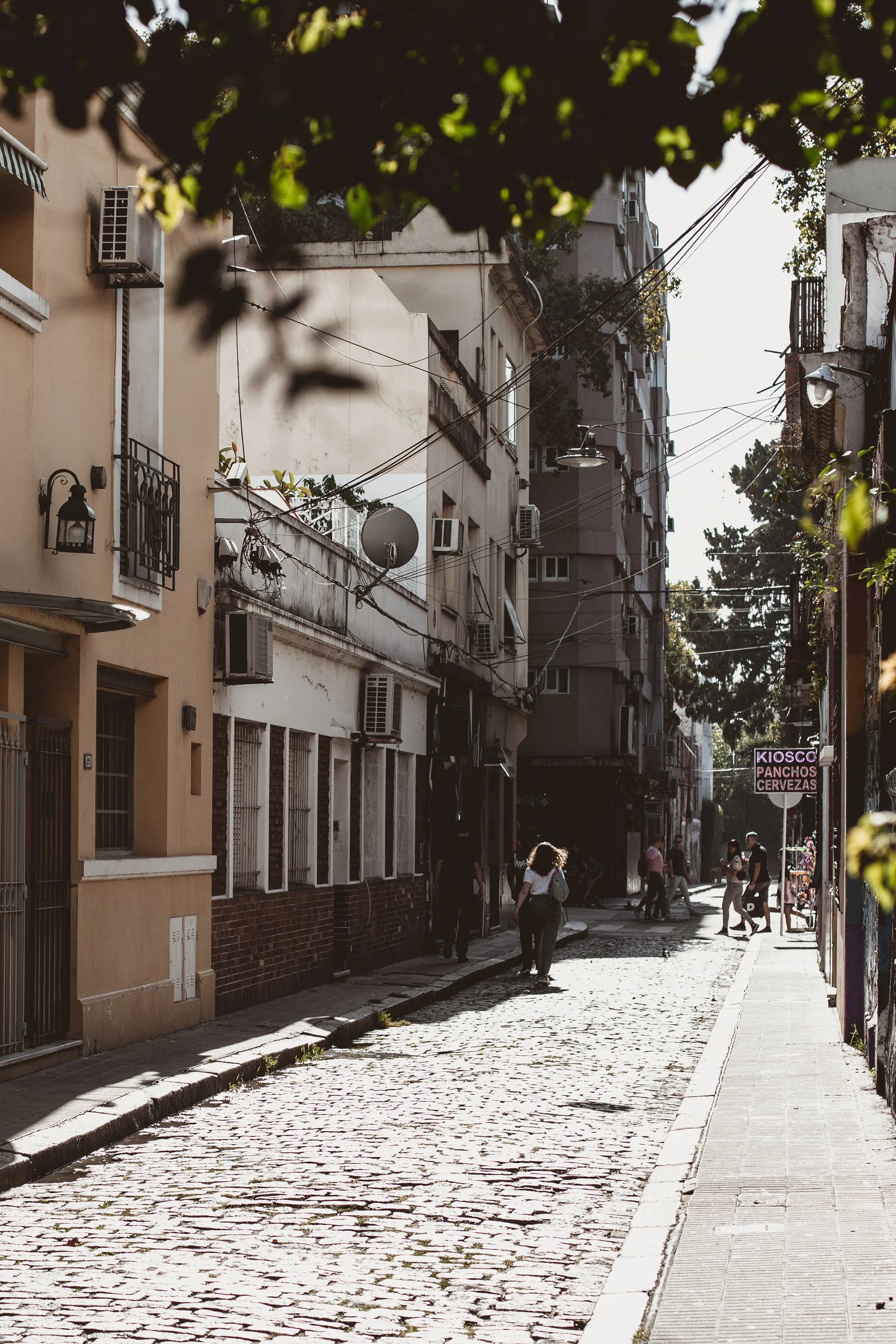
There are numerous shops and boutiques, along with an outdoor market, which felt quite typical. The streets were bustling with artisans and vendors offering clothing, books, trinkets, housewares, and various artistic pieces. Additionally, there are several quiet streets where cars are not allowed, offering a peaceful break from the city's traffic and activity.