OCTOBER 2023 READING LIST
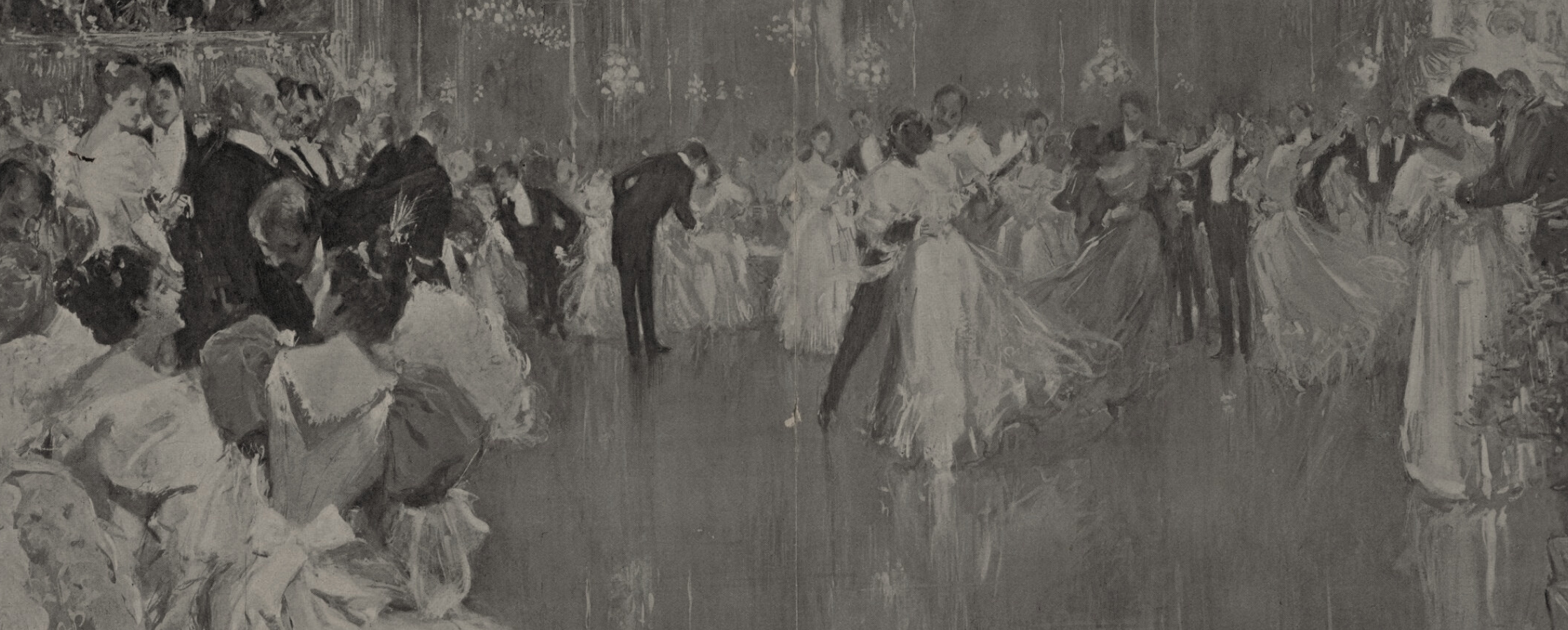
Albert E. Sterner. The ball, 1894. The New York Public Library
THE SEASON: THE SOCIAL SEASON OF THE DEBUTANTE BY KRISTEN RICHARDSON
I read The Season more as a resource for a book I am writing and to help me better understand the debutante world. Kristen Richardson speaks several times in the book about her connection to the debutante ritual and provides a history of its origins and how the social season has evolved over time and across cultures.
Reading history is a favorite pastime of mine, and I enjoy the little details that can broaden my understanding of a time and place. This book sets the origin of the debutante in Queen Elizabeth’s court, the “Virgin Queen’ in need of women she could trust outside of her male advisors. I was also enlightened by descriptions of customs in Victorian times, which gave me a broader view of Jane Austen’s England and, later, the shift toward the titled English gentry seeking new-world money.
In this case, it helped that Richardson had a personal understanding of the world of debutantes, and it showed in her ability to share the rituals of the modern day and to teach who a twenty-first-century debutante may be and what they are expected to do. Another eye-opening point was the connection between some debutant groups in the US and their association with consolidating white male wealth.
What I did not like about the book was that a chapter would finish, and then the next would go back a half a step or two in time and repeat a little. There was at least one line that seemed to be repeated, which gave me the impression that the chapters did not work cohesively and that Richardson did not do enough to differentiate some of her sentences.
In the end, I felt the book was insightful and gave me a better understanding of the customs and traditions of the debutante and the social season. I can’t say I would expect to reread it, but it may interest someone who wants to deepen their understanding of old traditions and how they persist today.
FOOTNOTE - My husband is from St. Louis, and he was familiar with the Veiled Prophet as an organization, not as a member, but because the group hosted an annual parade and the state fair. His history deepened my understanding of the organization and its role in the State of Missouri.
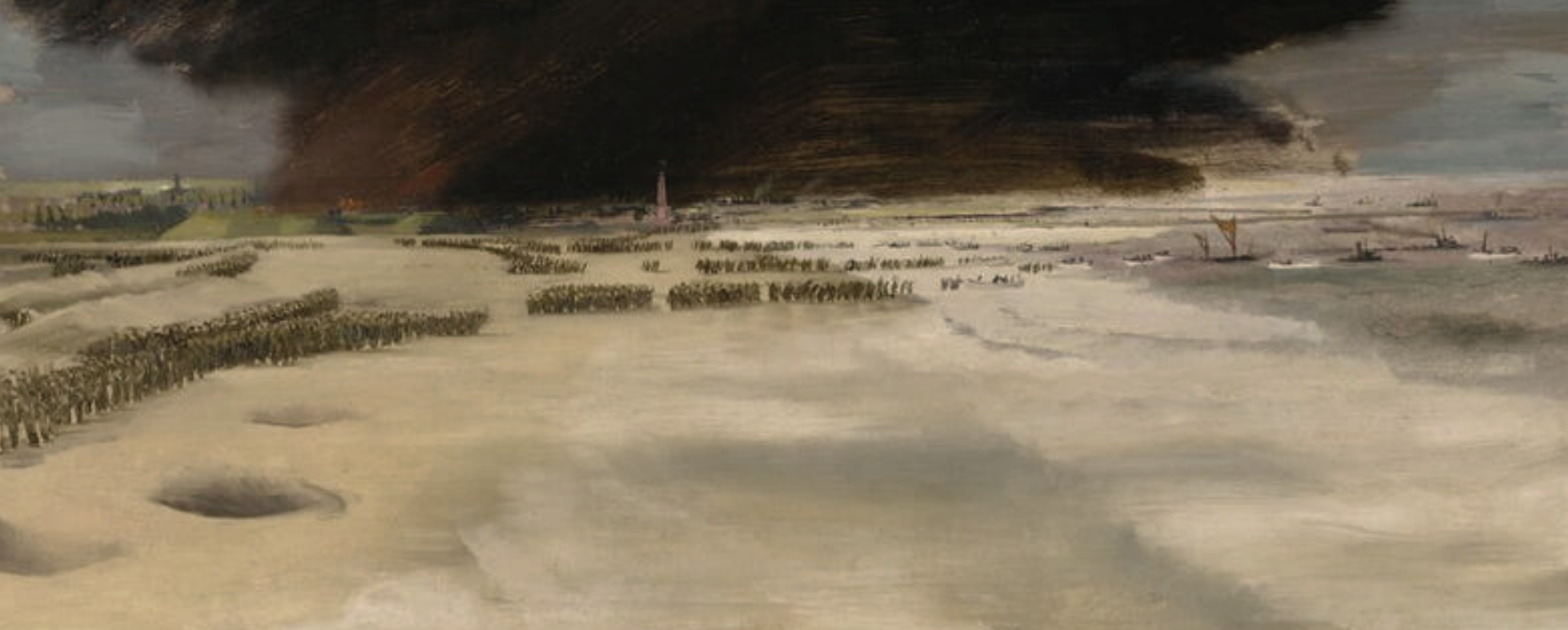
Richard Ernst Eurich. Dunkirk Beaches, 1940. Imperial War Museums
TO DIE BUT ONCE BY JACQUELINE WINSPEAR
The fourteenth installment of the Maisie Dobbs mystery series begins on a more personal note. The author dedicates the story to her father, and in the story, Maisie encounters a family in the neighborhood who is worried about their son, who seems to be missing from a job painting aerodromes with fire-retardant paint.
The case brings Maisie into the world of war profiteering and into the orbit of a powerful man who lurks in London’s underworld. Also, the story unveils young soldiers stranded on a beach in France and a decision by someone close to Maisie that will have lasting consequences. Meanwhile, Maisie is being cautious as she awaits an appointment with the review board regarding the welfare of the young girl who had been billeted with her at her country house the year before.
I liked how Winspear showed rather than told about the events before, during, and after Dunkirk, and what the scene must have been like during that harried evacuation of private vessels, which would be called ‘Operation Dynamo.’ There were also several points of tension in the story that kept me reading, mesmerized by both the mystery's intrigue and the account of history.
This book was one of my favorites in the series. I truly believe Winspear shines most when she has a personal interest in the story. I have found that her author notes are rich with information about her inspiration. In To Die But Once, much of the inspiration came from her father, a painter who tested the newly painted aerodromes with torches.
FOOTNOTE - The story of Dunkirk brought to mind the movie by Christopher Nolan who did a remarkable job of directing actors to convey the desperation and panic that many of the men must have felt this book also showed the feeling many of those felt, a fear like being a cornered animal without a possible of survival until little pleasure cruisers and yachts began to appear in the distance.
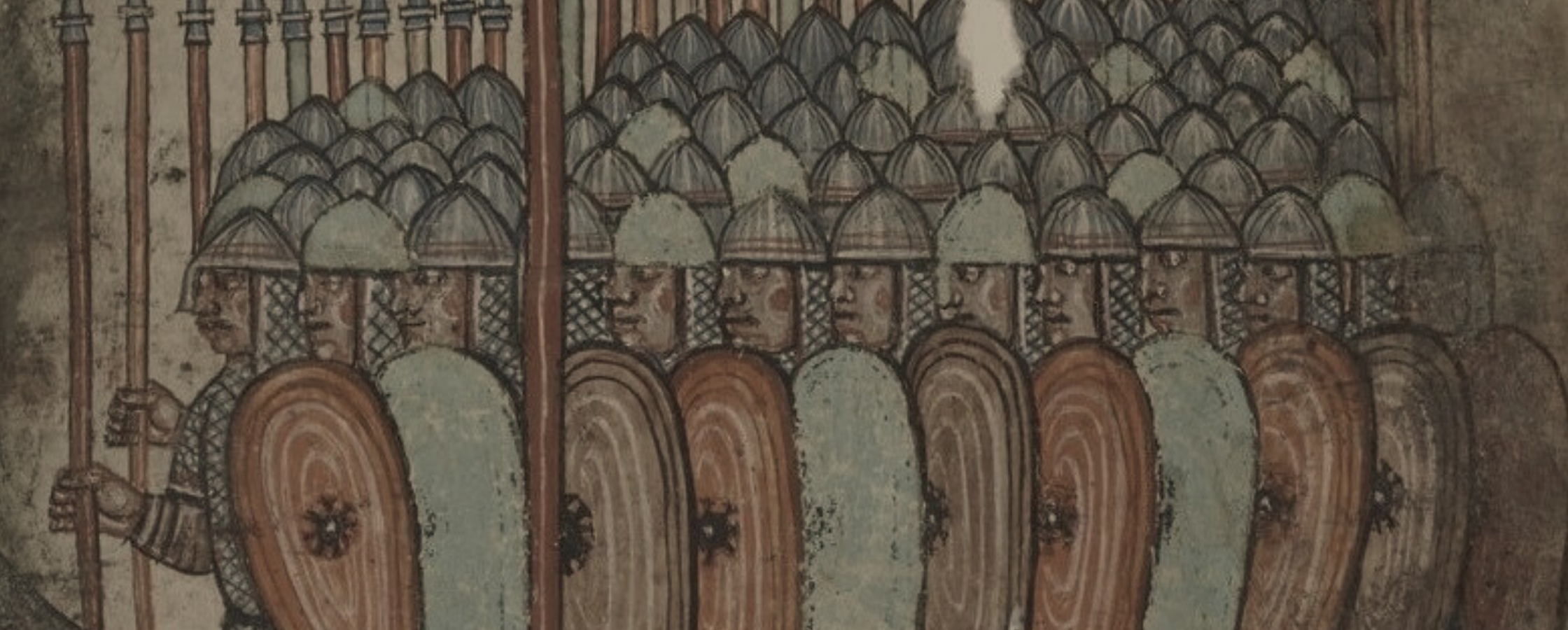
Abbey of Saint-Aubin. Viking attack on Guérande, circa 1100. Gallica, a digital library of the Bibliothèque Nationale de France
THE LAST KINGDOM BY BERNARD CORNWALL
“My name is Uhtred. I am the son of Uhtred, who was the son of Uhtred, and his father was also called Uhtred.”
Knowing that Cornwell has written thirteen books in his Saxon Tales series, these first lines immediately tell me that the Uhtred in this story is different from all the others, and yet traditions will play a major role in this series. Uhtred in The Last Kingdom is the son of a dispossessed nobleman, captured as a child and raised by Danes. England is made up of five kingdoms, and the Danes have conquered them all, save for one, Wessex—the last remaining territory of England and ruled by the pious Alfred. With little love for the Wessex King, Uhtred embraces the pagan Vikings and their impressive war tactics.
Regardless, always in the back of his mind, Uhtred thinks of his lands, Bebbanburg in Northumbria, currently held by his wicked uncle. As Uhtred grows older, falls in love, and trains to fight, he is finally forced to choose which side he will stand on.
I started this book apprehensively, not knowing whether the author would have a proclivity for disturbing narration of the savagery of war. This book most certainly does have violent scenes during battles, and some scenes depict the onerous life of women captured. Even with the expected violence, I appreciated that Cornwell did not harp on the more disturbing scenes. There is also mastery here in telling a historical story through the eyes of a fictional character while staying true to the facts.
This series caught my attention after watching a couple of episodes of The Last Kingdom on Netflix, so I decided to read the books first and watch the series later. The visual stimulation is a bit intense at times, but the history in the books is so rich that I plan to read them and maybe watch the series, depending on how violent the story gets.
FOOTNOTE - I would mention that if you were to have a severe negative response to violence, I would be cautious in reading these books. I am sensitive myself and tend to veer away from the extremely violent, especially from extremely violent sexual assault scenes. Even so, with Cornwell’s writing, the assault happens over one or two sentences, not pages and pages. As a history enthusiast, I expect some barbarism, especially when the plot centers on conquest and holding one's lands against invaders.
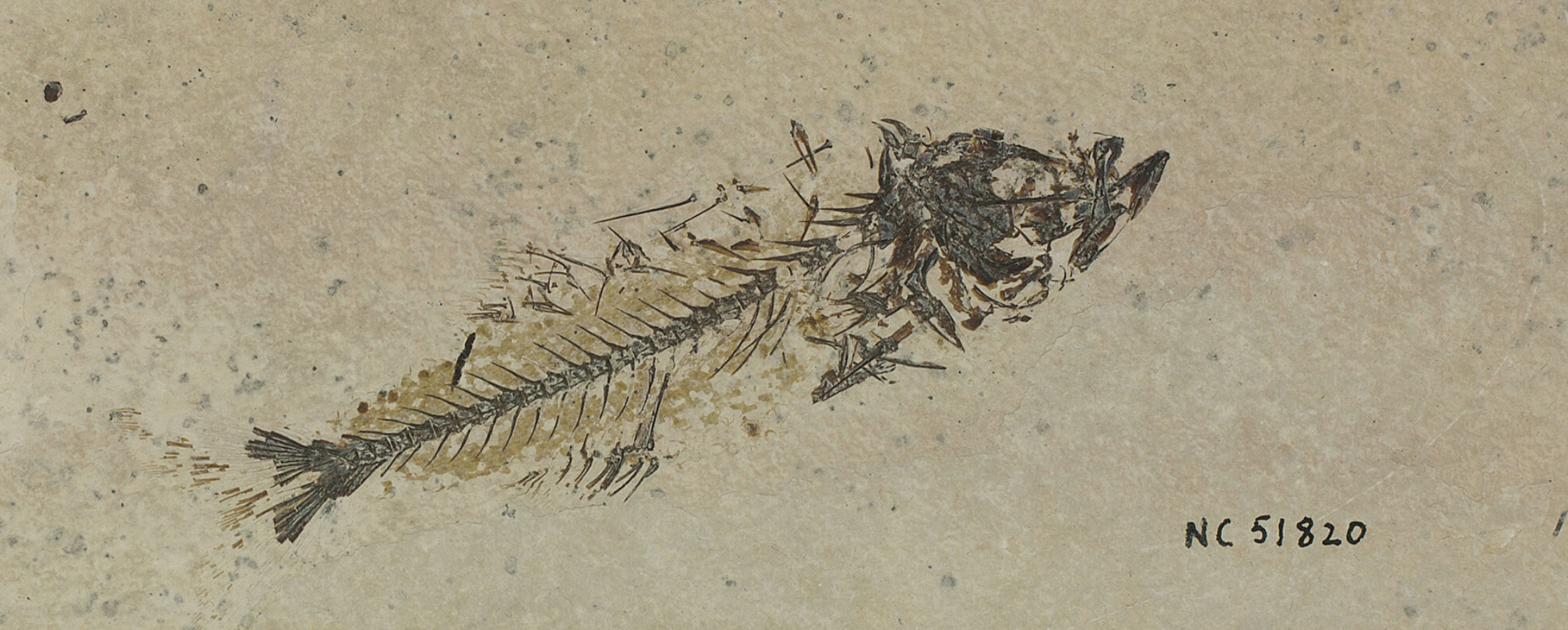
Ulrich Quarry, S.W. Wyoming. Fossil Perch-like Fish, 1988. Smithsonian Institution
REMARKABLE CREATURES BY TRACY CHEVALIER
The last book I read by Tracy Chevalier was Girl With the Pearl Earring, which was nearly two decades ago. The sudden inspiration to read Remarkable Creatures came from my son, who had done a Women’s History Month presentation on Mary Anning. He and I both enjoy geology, archeology, and little paleontology, so I thought I would give this book a try.
The story is from the point of view of Elizabeth Philpot, a London spinster who had been sent to Lyme Regis with her other unmarried sisters to save family expenses. She befriends Mary Anning, a girl who is only a child, and the story unfolds through discoveries and the interference of various men.
I enjoyed reading an interpretation of a historical woman who, until recently, had been ignored, while the men who purchased her fossils gained great fame and recognition. Chevalier’s writing style was easy and fluid, making it easy to finish the book in a weekend.
What caught my attention in the story was the tendency to gravitate toward relationships, particularly the love triangles that pervaded the different women in the story. The book also felt like the story was written with a modern hand. In my opinion, Mary’s singular sexual encounter in the book was not needed, and it felt as though the author included it because, in the present time, books that sell usually have sex somewhere.
I would say I was glad I read the book, as it gave me an idea of life in Lyme Regis and what it must have been like to walk those beaches and find those numerous fossils. As an Austen fan, I enjoyed reading about another side of Lyme and deepened my appreciation for Persuasion.
FOOTNOTE - When I finished Remarkable Creatures and tried to talk to my son about her, his only response was, “Ok, Mom,” and he had little interest in discussing the book or Mary Anning with me. Kids.
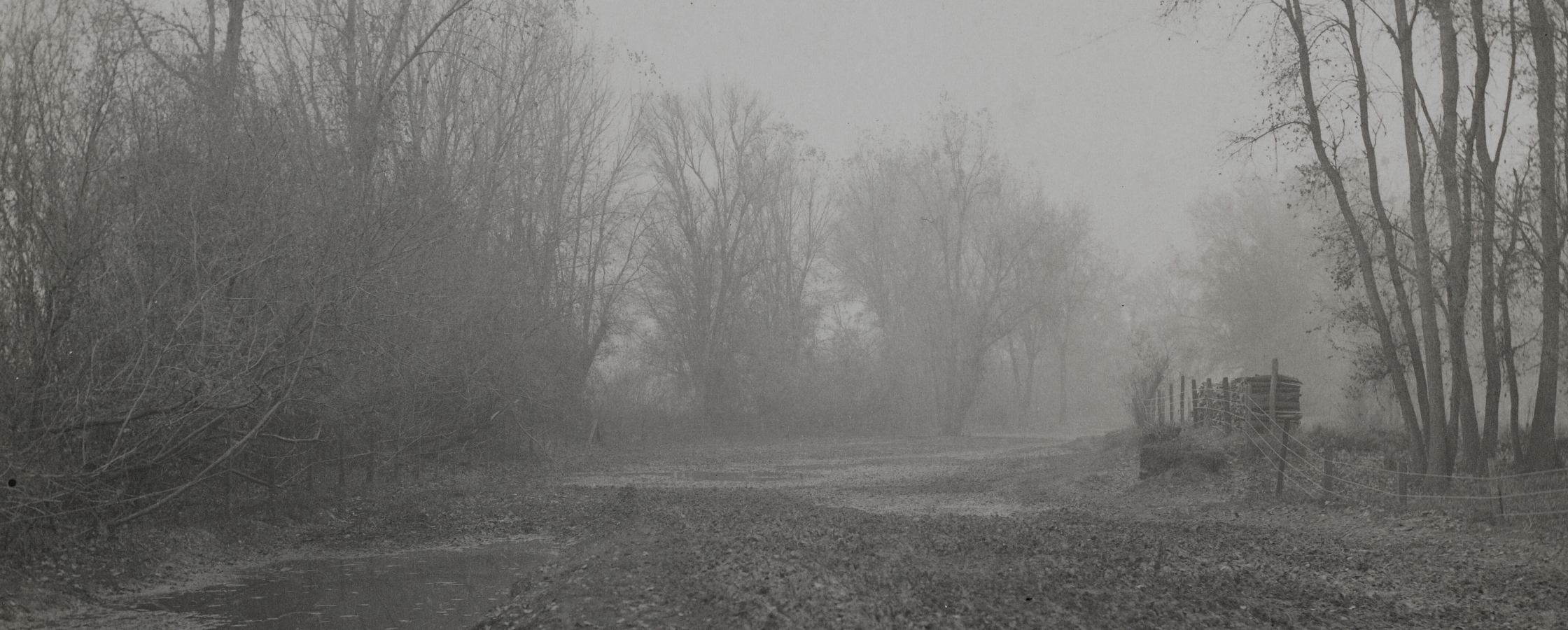
William E. Dassonville. Untitled [trees and fence], c. 1900. The Minneapolis Institute of Art
THE AMERICAN AGENT BY JACQUELINE WINSPEAR
Maisie Dobbs is both an investigator and an ambulance driver during the early stages of the Blitz, meant to terrorize the English populace and create an opening for an invasion. Many people in the media are working to maintain national morale and encourage countries like the United States to step in to help England. Catherine Saxon is such a person, an American, on the ground in London reporting on the travesties of the nightly bombings, until she is found dead in her apartment.
During this tumultuous time, Maisie is beginning to open her heart again and even has the hope of adopting a young girl who was billeted with her family in Chelston during the ‘Phoney War’ when children were being evacuated from the city. The murder of an American journalist and the arrival of a known American agent, Maisie, in Munich will cause her to be tangled in a web of international intrigue, wartime propaganda, and the complications of families trying to survive the blitzkrieg, including her dear friend.
Winspear used one of her strengths: she omitted details and did not let the reader in on all the knowledge about what the investigation holds. This made it harder for me to find the truth, and when the killer was revealed, I had only the smallest inkling and no idea of the motive. The conclusion was not at all what I was expecting, and Winspear also did well to parallel elements of the case to Maisie’s own life, making her decision in the end even more consequential.
One negative was that I was not thrilled with the love interest for Maisie. I am glad that after fifteen books in, she may find a match, but something does not seem right about this relationship, and I am a bit unsettled about where it may lead for her.
This, among many, could be a standalone book, as Winspear provides ample recaps in each of her books. Even so, I would still suggest reading the series all the way through to invest in the character and what she has been through.
FOOTNOTE - This book spoke to the isolationist idea in America and their reluctance to enter a war miles away. This idea of ‘letting Europe (and the Middle East) fight their own wars’ feels relevant to conversations people are having today.