RELATIONSHIPS | MARILYNNE ROBINSON
During a season of reading books about nature and introspective views on life, Gilead appeared in various ways, connecting to other books I was reading. Then one day, the book appeared at my local library shop. It felt meant to be. Later, I heard from friends that some people liked it, while others did not. I knew I had to try the book myself. Initially, the lack of chapters made reading challenging. It was slow, and I often had to re-read to distinguish between the narrator's lived experiences and his reflections on his father. Additionally, there were many sections where John Amos talks to his son about the future and his hopes for him after his death.
The book explores thoughts on life, faith, failings, and hopes without being preachy, proud, or overly traumatic. The writing emphasizes the miracle of life and the wonder of just existing in this world. There are struggles, hardships, and injustices, but life remains a precious gift. This is the kind of writing I aspire to create. I want to convey meaning and inspire introspection. Gilead showed me how to write about life through reflection and anticipation.
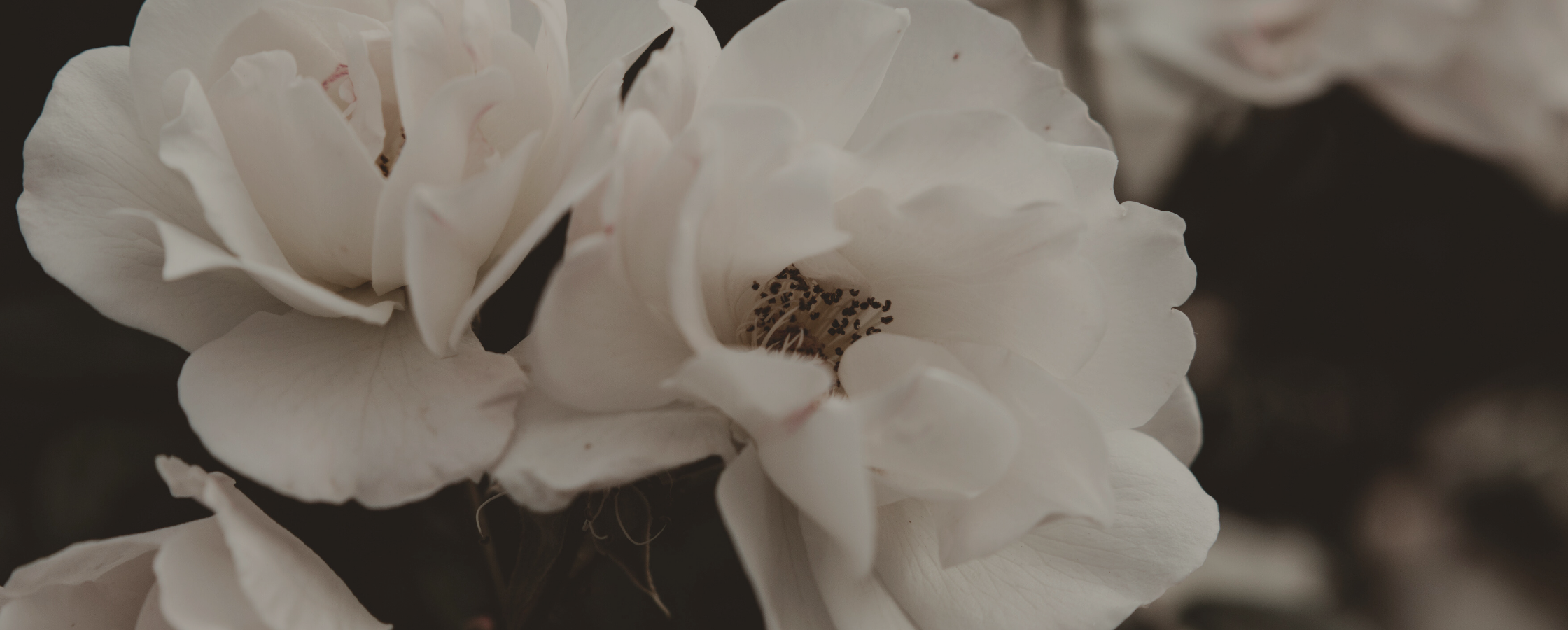
“Sometimes I have loved the peacefulness of an ordinary Sunday. It is like standing in a newly planted garden after a warm rain. You can feel the silent and invisible life.”
Sunday’s Rest
Years ago, my husband and I chose Sunday as a day of rest. Partly because of faith, partly because of stress, I realized that taking a break each week is essential for both physical and mental health. A day of rest seems instinctive to the body. Being overworked, overstressed, and overwhelmed contradicts the natural rhythm of the human body and mind.
Sundays have become my weekly break from the rest of the world. It's the day I say no, take time for myself, and spend it with my family. It’s a day for adventures, relaxing, and doing nothing. In a world where we often feel pressured to be productive or stuck on the idea that we need to seek “the next thing” to do, pausing the fast pace of life helps me catch my breath. It also gives me time for reflection. The day off truly feels powerful, even potent, with endless possibilities that would go unnoticed if I were still rushing around unnecessarily busy with things that don’t really matter.

“There are two occasions when the sacred beauty of Creation becomes dazzlingly apparent, and they occur together. One is when we feel our mortal insufficiency to the world, and the other is when we feel the world’s mortal insufficiency to us.”
Sacred beauty of Creation
Human limitations can be painful, but they also serve as a reminder of what truly matters in life. There also seems to be a feeling of disappointment in society, a letdown regarding where we are supposed to be as a civilization. However, the beauty of both realities is the sense of wonder and awe inspired by Creation.
It is with this understanding of mortal inadequacy that we transcend the material world and seek the spiritual realm. We recognize the realm above mankind and the infinite possibilities beyond our reach. Likewise, as both physical and spiritual beings, we realize that the world is lacking, failing to provide everything we need. This awareness brings us closer to a higher purpose and calling.
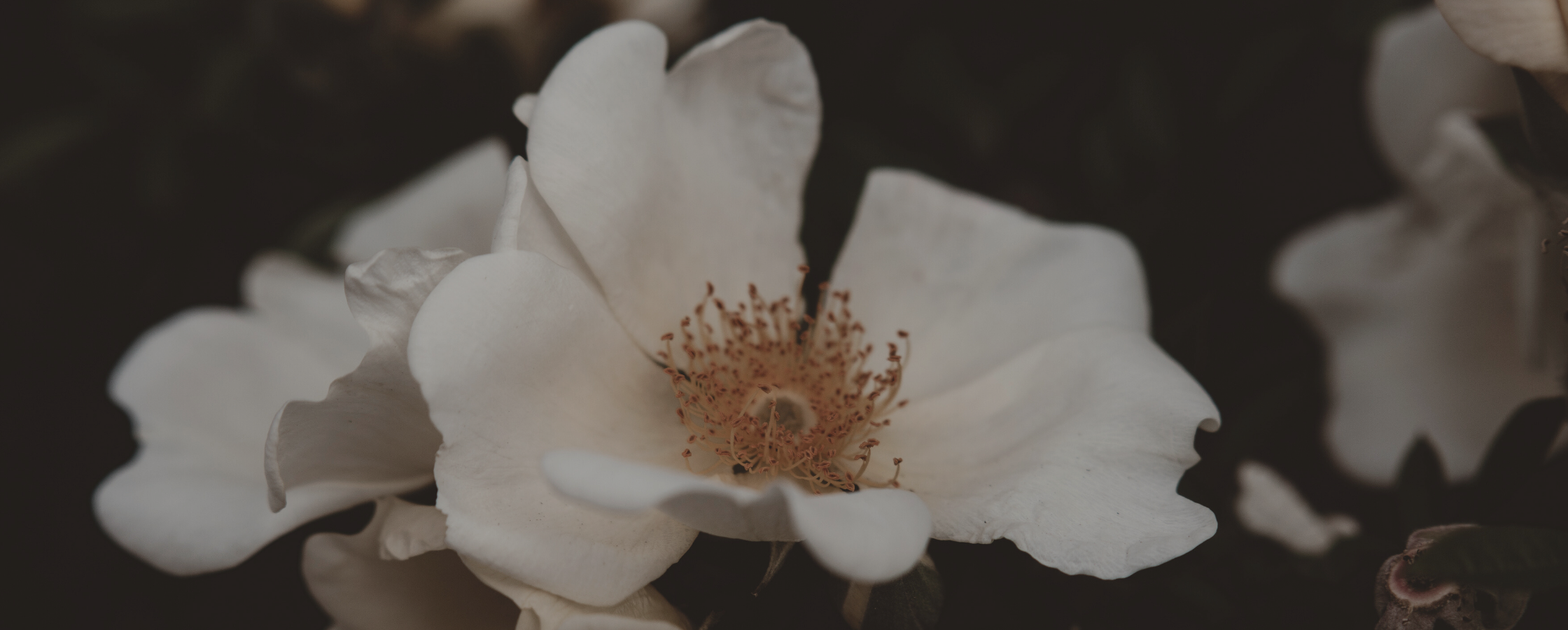
“It seems to me people tend to forget that we are to love our enemies, not to satisfy some standard of righteousness but because God their Father loves them.”
Loving our enemies
There isn't much love right now. There's more condemnation and judgment, but not much love. This call to love was to love those who look, act, talk, walk, and live like us, but also to love those who don’t look, act, talk, walk, and live like us. A Christian society should continually reflect on The Good Samaritan, with repeated instances of one person helping the most unlikely individuals in their time of need.
And yet, we are left with grumbling, complaints, divisions, judgments, and even battles in which one side believes it is absolutely right and the other is completely wrong. Life is not so black-and-white. We are called to show love, not out of pride or performance, but with authenticity. Loving an enemy is a lifestyle, not a publicity stunt. It must flow from the whole being. To love others, enemies included, is to rise above earthly squabbles and be more in tune with the divine.

“Nothing true can be said about God from a posture of defense.”
Nothing from a posture of defense
Throughout history, people of all faiths, heritages, and nationalities have been forced into Christianity. And yet, faith, true faith, cannot be done by force. Grace is a gift, and salvation is free. Only one has to accept it. When did the Christian faith need a defense?
Faith is not something to prove or find evidence of. It is a state of being in the heart, mind, and soul. Our posture should be one of openness, curiosity, and humility. We cannot intentionally close our eyes and be too set in our ways. Faith is not a fixed point, and no one person has the answer. We must be receptive to new ideas, new perspectives, and new voices. Growth only happens if there is something to build on, and that comes with an understanding of man's limitations and God's infinite wisdom.
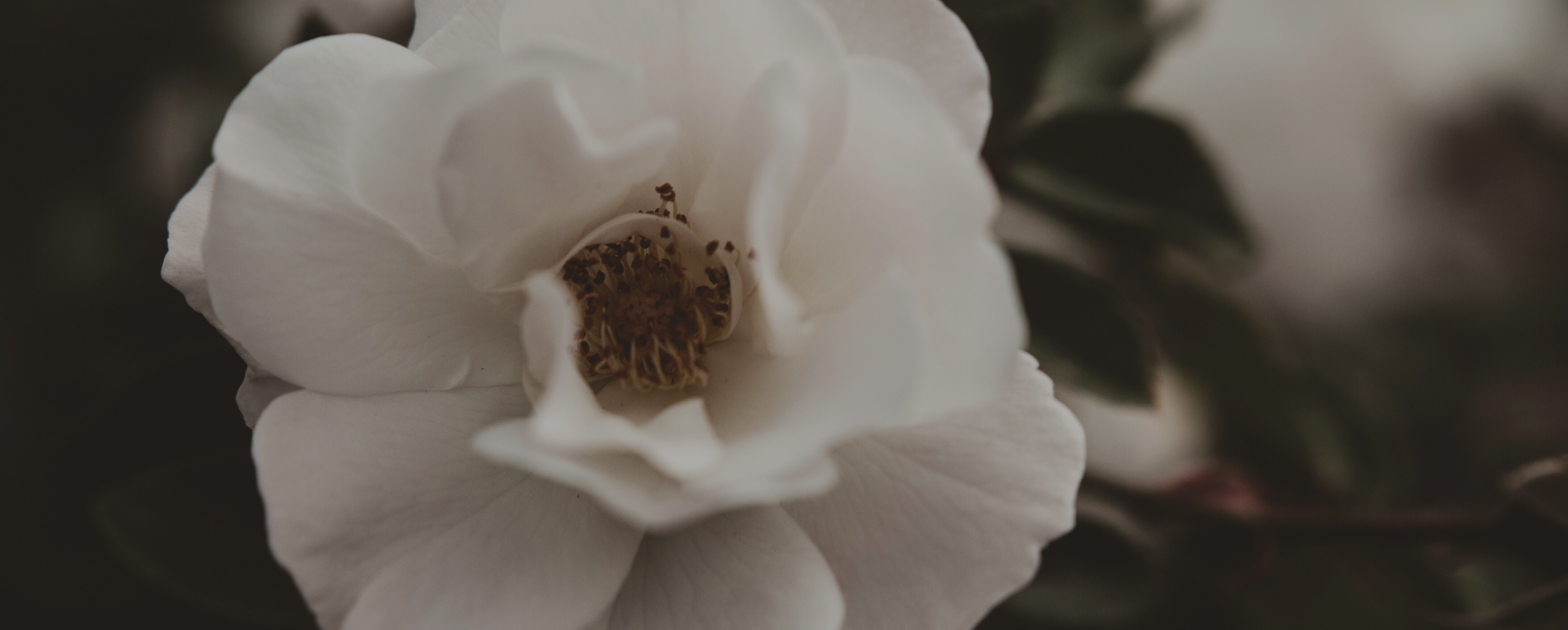
“There are a thousand thousand reasons to live this life, every one of them sufficient.”
Reasons to live
As long as there is life, there is hope. Life should be lived not with expectation and certainty but with humility and gratitude that there is one more day to live, breathe, and be. It is terrible to think that some people, too many people, take stock of their lives and cannot find one reason to keep on going. And yet, all it takes is one, one reason, to keep on going.
Reasons don't have to fit traditional categories. People hope for love, relationships, and purpose, but what if the reason is simply to experience another sunrise or hear the sound of rain? What if it's the small act of wonder about what could happen with another day, week, or year? Every reason is enough, encouraging us not to give up but to keep going.

“Christianity is a life, not a doctrine . . . I’m not saying never doubt or question. The Lord gave you a mind so that you would make honest use of it. I’m saying you must be sure that the doubts and questions are your own.”
Life not doctrine
How terrible it would be to wake up, old and gray and near the end, and look back on your life and realize that your actions were not truly your own and your ideas were not genuinely yours. It is crucial at any age to absorb information and process it through your own filtering system, rather than simply repeating the words and beliefs of others verbatim.
Faith became something attainable once I realized that doubt was not wrong. Questions were welcome, and I had to understand that I might not get an answer or might get a hundred. Christianity is a way of life, a way of being that cannot be measured or standardized. It's important to remember that doctrine is a standard; following true Christianity is a state of being. It’s not a checkbox.
How has Gilead or the work of Marilynne Robonsion impacted your life?