Mindful Living Introduction
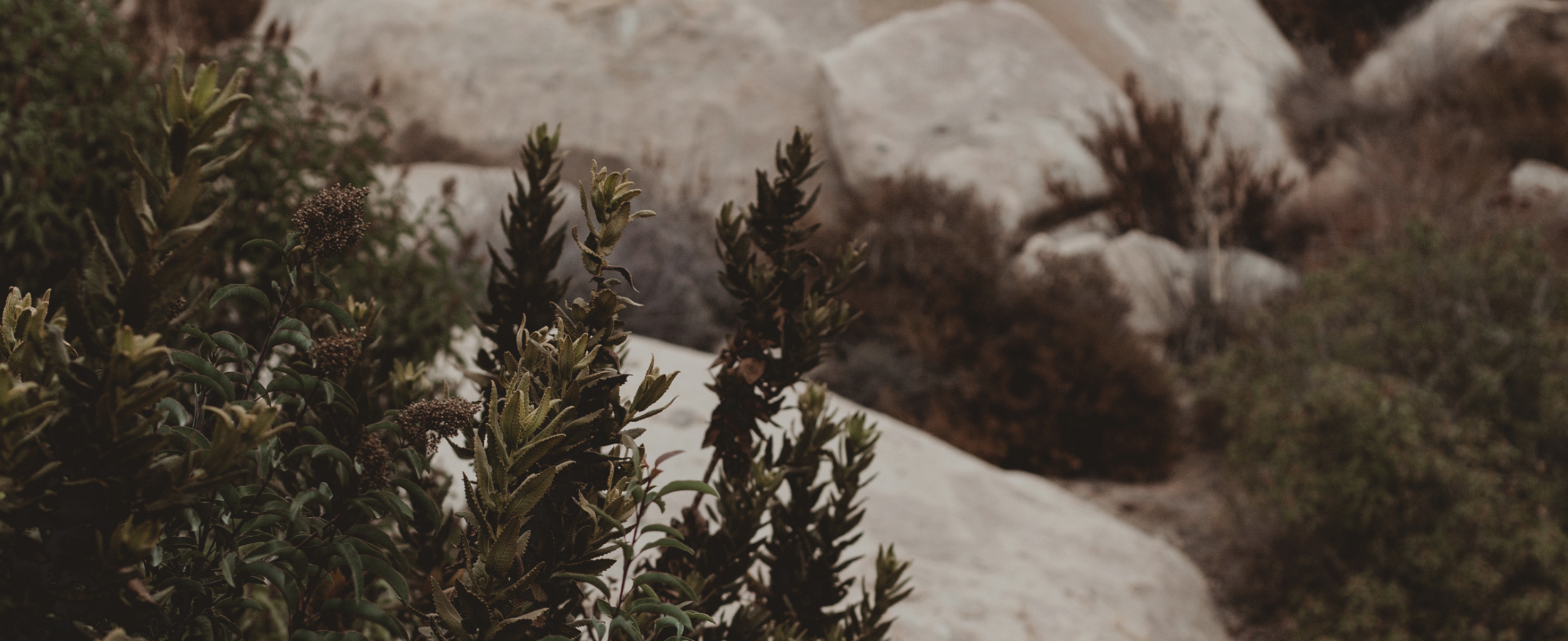
Outside Mira Earth Studios, Valle de Guadalupe, Mexico. 2025
The Slow Living philosophy is a mindful way of living that values quality over quantity and encourages slowing down to appreciate life more. The idea is to emphasize simplicity, be intentional, connect with nature, and not get caught up in social media or digital distractions. There is also a mindset of enjoying experiences rather than being caught up in consumerism.
The main principles are:
Being present and living in the moment
Intentionality
Quality over quantity
Take time to connect with nature
Although I agree with this philosophy, the Slow Living movement, like many other trends, has been warped into a coordinated, staged social media feed that often implies an unattainable perfection. Too often, I see perfectly curated “moments” with someone who “intentionally” left the city, owns a cottage with chickens, "makes” her own food, and has time to walk in a field of flowers. Before long, that same person is repping some company or another and hollowing out the meaning of the life she is promoting. Now, if “slow living” is your life and your brand, that’s awesome. Live your life however you want. However, there is now a sort of rattan halo over those who live the cottage life and have a perfectly curated social media feed. How is this not another form of consumerism?
Now, the idea of mindful living is not a far leap from the popular slow living concept. The principles are similar, even identical at times. The difference I hope to express is that, fast or slow, city or country, rich or poor, from whatever culture, language, or upbringing, being mindful is something specific and very personal. There is no uniform to fit in or formula to follow, nor is there a voice saying what to do or not to do. The decisional power is in the hands of each individual.
So, why am I actively pursuing a “mindful life” rather than joining the slow living movement? One of the main reasons is that I am not in a season for slowing down. With two school-aged kids, a husband in the prime of his career, my own writing goals, and all of us with the physical energy to travel, try new experiences, and be active, it seems silly to try to slow things down. Even if I try to read the word “slow” figuratively, my mind thinks of the word literally, as I am sure many others do as well.
Another reason I am focusing on the word “mindful” is that the over-saturation of “slow living” has lost its potency. Too much of the trend has been redirected toward ways people can brand, market, or monetize that way of life. Being mindful does fall under a slow living lifestyle, but why can’t mindful be its own way of living? Sometimes, life has to speed up; other times, things need to slow down. Knowing when a situation calls for late nights and less sleep vs. time for rest and recovery helps us mature and better understand ourselves.
At times, the analog part of my brain wars with the digital side, the two eras battling it out for dominance. Much of what I do (writing, photography, and content creation) is done on a computer or phone. It is impossible for me to maintain the pace I want to keep if I were to return to a fully analog mode. I agree with the philosophy of cutting back on technology and bringing back some non-digital activities, but my work is digital. However, recognizing the energy drain of social media, television as a filler, and that apps give the illusion of busyness is another step toward mindfulness
So what do I mean when I say “mindful living?” Below are some ideas I have and topics I hope to expand on in the future:
Personal and familial priorities - listing top three priorities and sticking with them, mission statement, areas of focus
Interests, hobbies, and environment - taking time to really figure out what you like to do, and not what happens to be popular at any given moment
Intentional, flexible, and adaptable - Know your limits, be able to pivot and adjust if the situation needs it. Do not be so set in your ways that you cannot help others.
Day by day philosophy - take one day at a time. There is room for mistakes and bad days, and it is okay to celebrate the good days.
Less energy in comparison and more on creation, compassion, and conviction - getting off social media and keeping mindset focused on priorities and purpose.
Living in the present with less holding onto the past or seeking too much of the future - learn how to let things go, breathing exercises, step back to look at the bigger picture.
Authenticity with grace instead of superficiality or control - Be yourself, but you are always changing, growing, and evolving. No need to always be right or to have everything under control.
Focused more on purpose rather than emotions, trends, news, or pressures - learn how to transcend your emotions, the noise of the media, and pressures from others. Do not be the person who cannot see the forest because of the trees.
What are some helpful and practical ways to follow a mindful living approach?
Having the mindset for mindfulness
Awareness of the environment and what you need and don’t need
Habits and routines that are fortifying but often require discipline
Following good health practices and awareness of emotional needs
Curb urges and addictions that drain energy
Knowing your boundaries and your limits.
Is this just another soon-to-be trend? Is “Mindfulness” to be added to the rack of popular fads that get corrupted and twisted into another way to make people feel less than others? Heavens no. My hope is to simply share thoughts, experiences, and ideas. Perhaps someone will be inspired or even uplifted. Or maybe someone will counter and argue why I am wrong. I welcome both. Healthy discourse is not something to avoid. Instead of selling a lifestyle, I am offering an invitation. We each have our own lives, with different struggles, purposes, and talents. We each take one day at a time. Instead of fighting with ourselves or with each other, my hope is for better opportunities to connect and be compassionate. After all, we are all human.
How do you practice mindfulness in your daily life? Do you have any insights or inspiration that you would like to share? How do you find ways to not follow trends and stand firm in the decision you have chosen for you and for your family?