THE SECRET OF LIFE
Seeking one’s Personal Legend while navigating the deserts and oases of life.
The Alchemist by Paulo Coelho
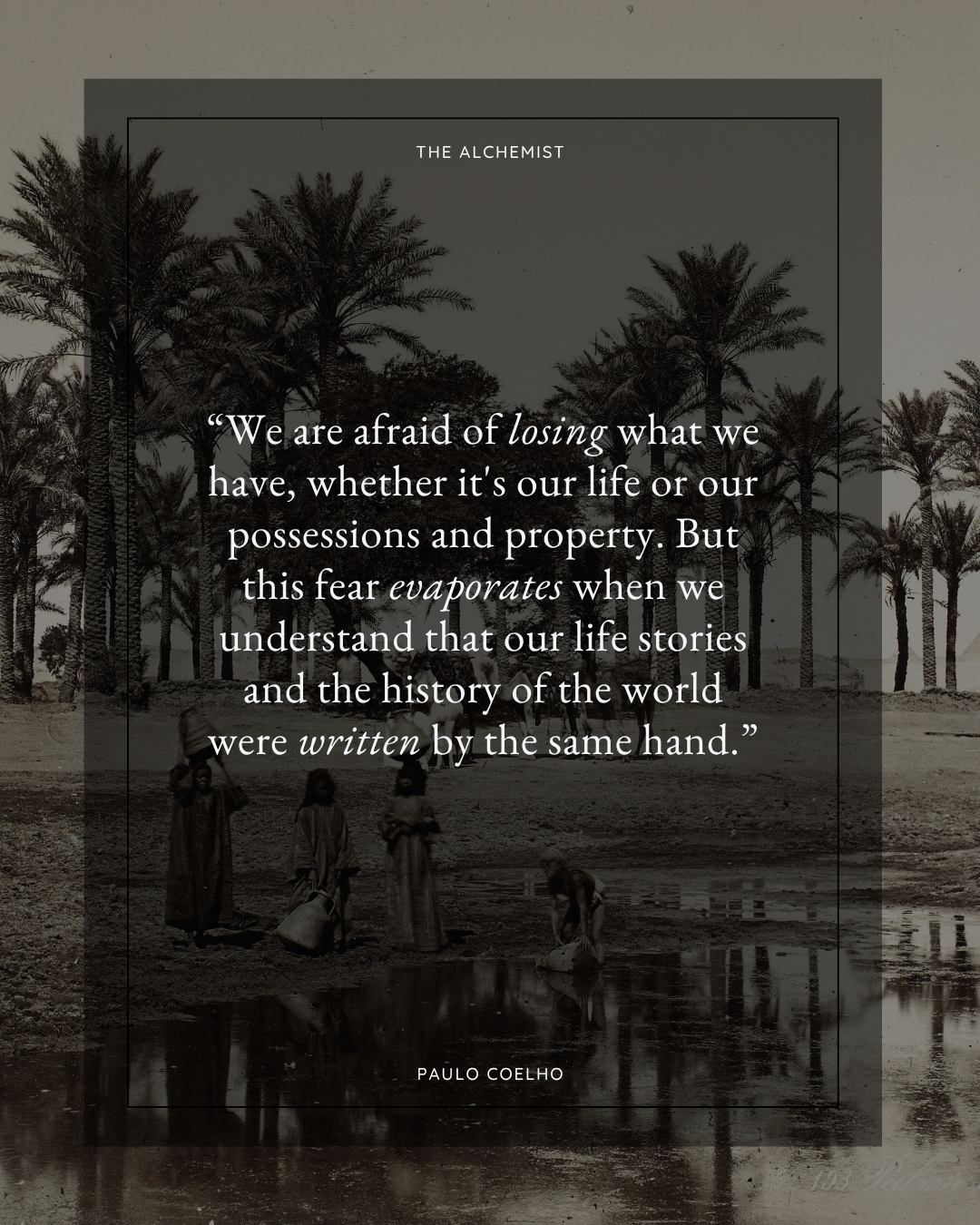
Zangaki. Untitled [Egypt], 19th century. The Minneapolis Institute of Art
Written By The Same Hand
What do you dream of? Would you be willing to give up everything you own to turn that dream into reality? My dream is to be a celebrated author and live in the Spanish countryside, but I realize that pursuing it would require me to give up a lot. Not only my family and friends, but also my country and way of life. Then I ask myself, why am I living the life I do if I want something different? Instead of fear, I have a healthy check on my aspirations. We often forget that not all bad feelings are truly bad, and not all good feelings are necessarily good. The good and the bad are two sides of the same coin, parts of the same story by the same author, but on different pages. What causes the most significant grief or pain can lead to our greatest joys, moments etched into our being, never to be rubbed out.
Getting Back Up
There are many messages about not giving up or surrendering. Stay the course, the end is in sight, and so on. Yet, these phrases do not fully capture the difficulty of facing challenges. As a creative who works in good faith and hopes that a lot of effort will finally lead to something worthwhile, it is crucial not to stop, even in the face of disappointments. I am inspired by authors who were rejected time and again—famous writers like King, Rowling, Herbert, Dr. Seuss, London, Patterson, and others. I'm reminded that growth and learning happen in failures, but failure should not be the final word; instead, the next step—always the next step—is to get back up one more time.
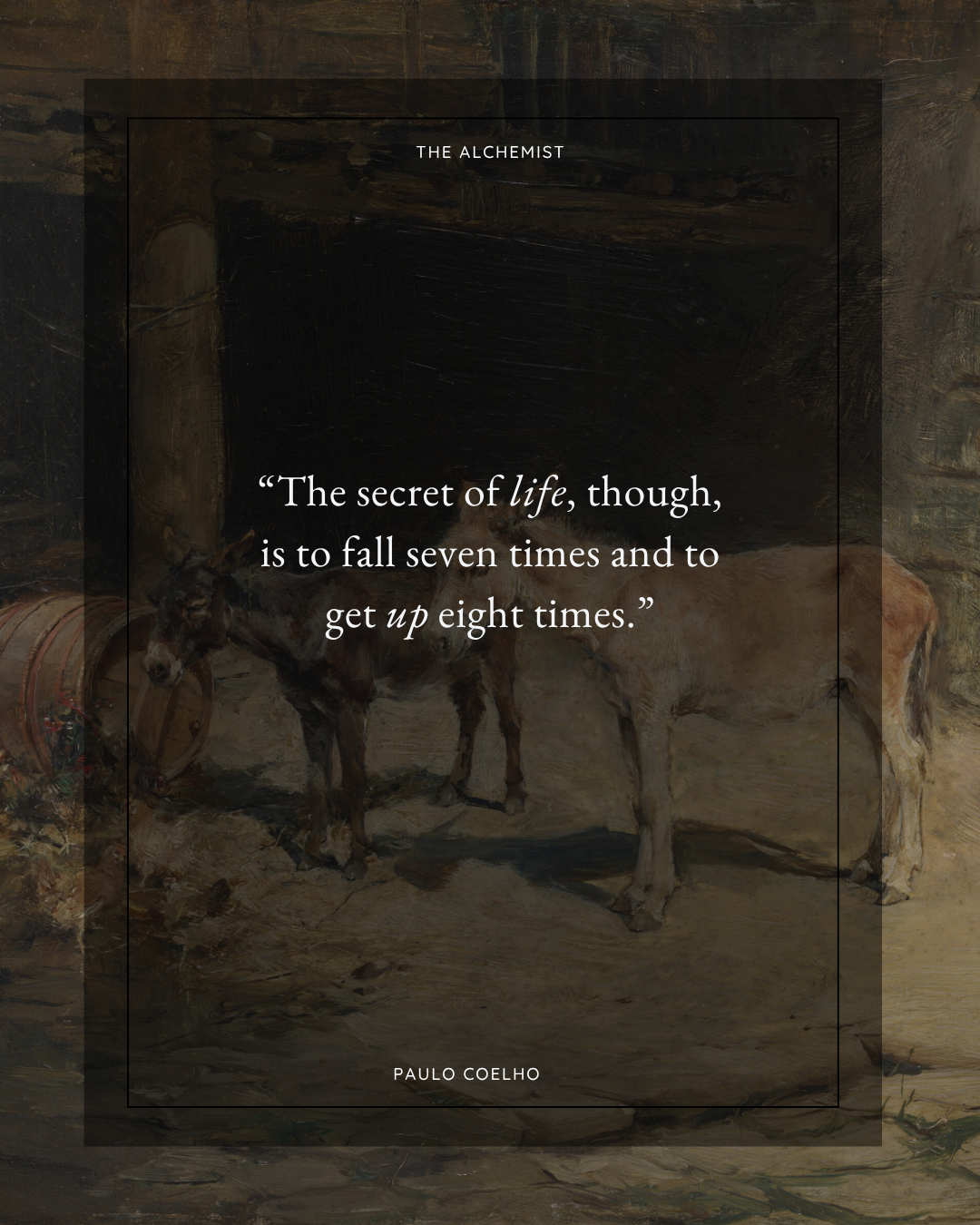
Francisco Domingo y Marqués. Spain, 1878. The Art Institute of Chicago
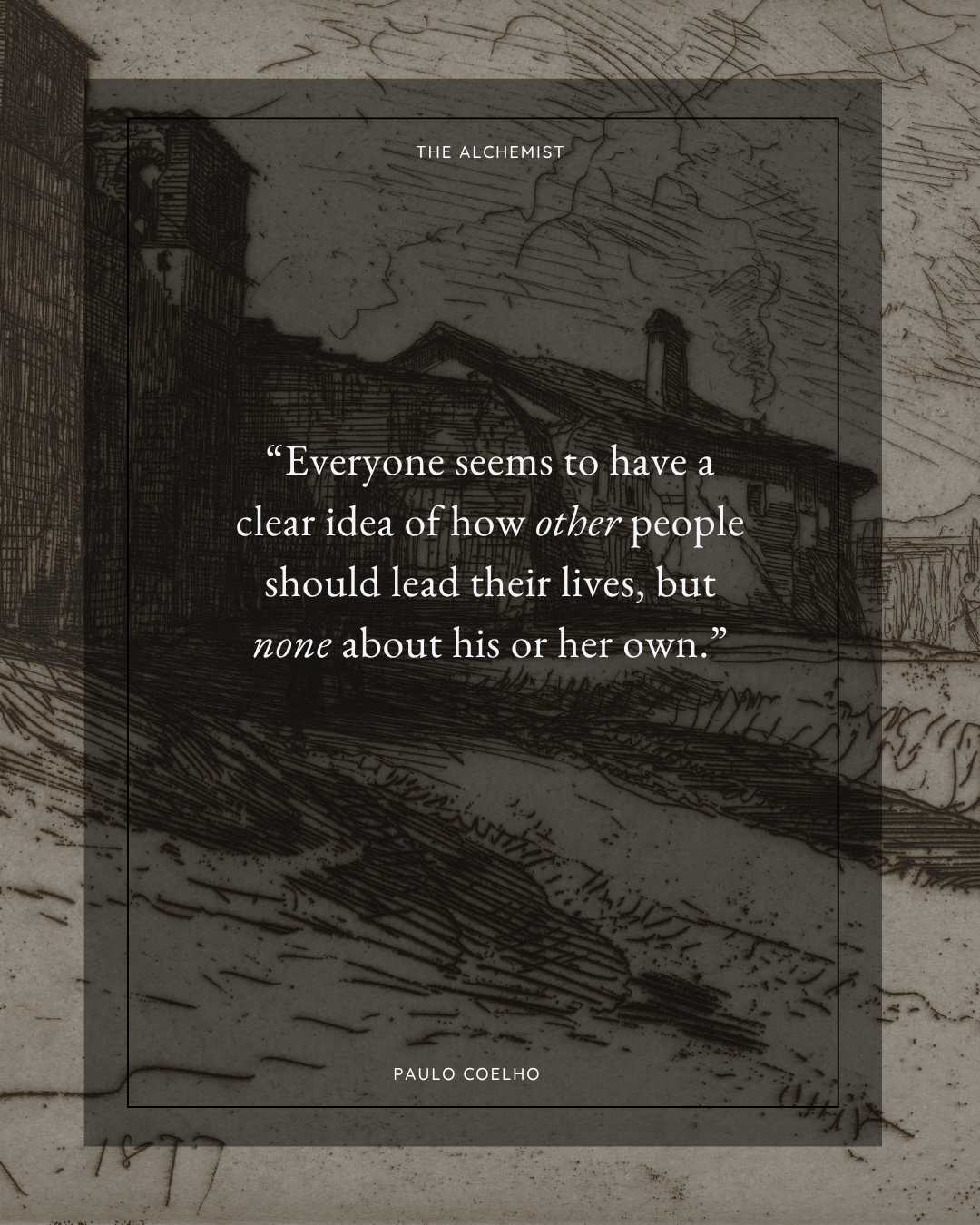
Francis Seymour Haden. Grim Spain, 1877. The Minneapolis Institute of Art
Lest Ye Be Judged
There is remarkable tenacity in individuals to point out the flaws of their fellow man, but they rarely take the time to reflect on their own behavior. In an age where we are bombarded with information, it has become normal for conversations to be less about exchanging ideas and more about stumbling into self-help therapy sessions. Everyone has opinions and advice, but what people forget is that advice should be offered only when asked, not as a message to be pushed regardless of the audience. Everyone on this earth would be wise to take a moment of quiet solitude to reflect on their actions, choices, and responsibilities. Let us not become a society that chooses blindness and then dares to lead the blind deeper into darkness.
Wherever Your Heart Is
How true and utterly depressing it is. Knowing what a person values most reveals the core of their soul. The boy is thinking about a woman in the desert, which could distract him from his mission. The alchemist reassures the boy and advises him to listen to his heart. Real treasure isn't something that can be dug from the earth or made of gold. What is truly valuable is having discernment and trusting the journey, even with its inevitable obstacles. What would people pay for meaning, purpose, or inner peace? Our goal should not be temporary but focused on the eternal, on things that cannot be measured, quantified, or overtaken by rust and decay.
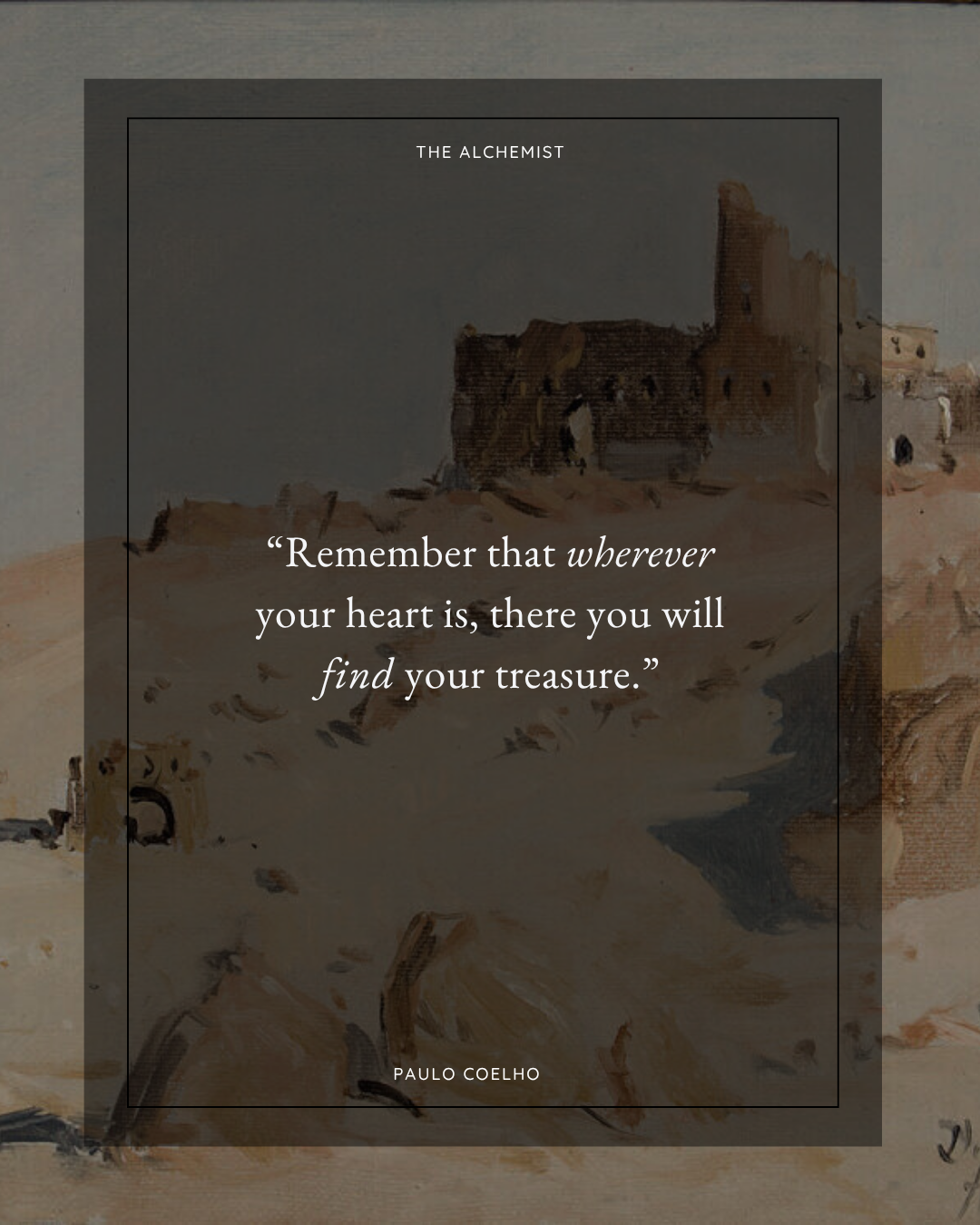
"Assouan, Egypt (Denman Waldo Ross), 1936.150.240,” Harvard Art Museums collections online
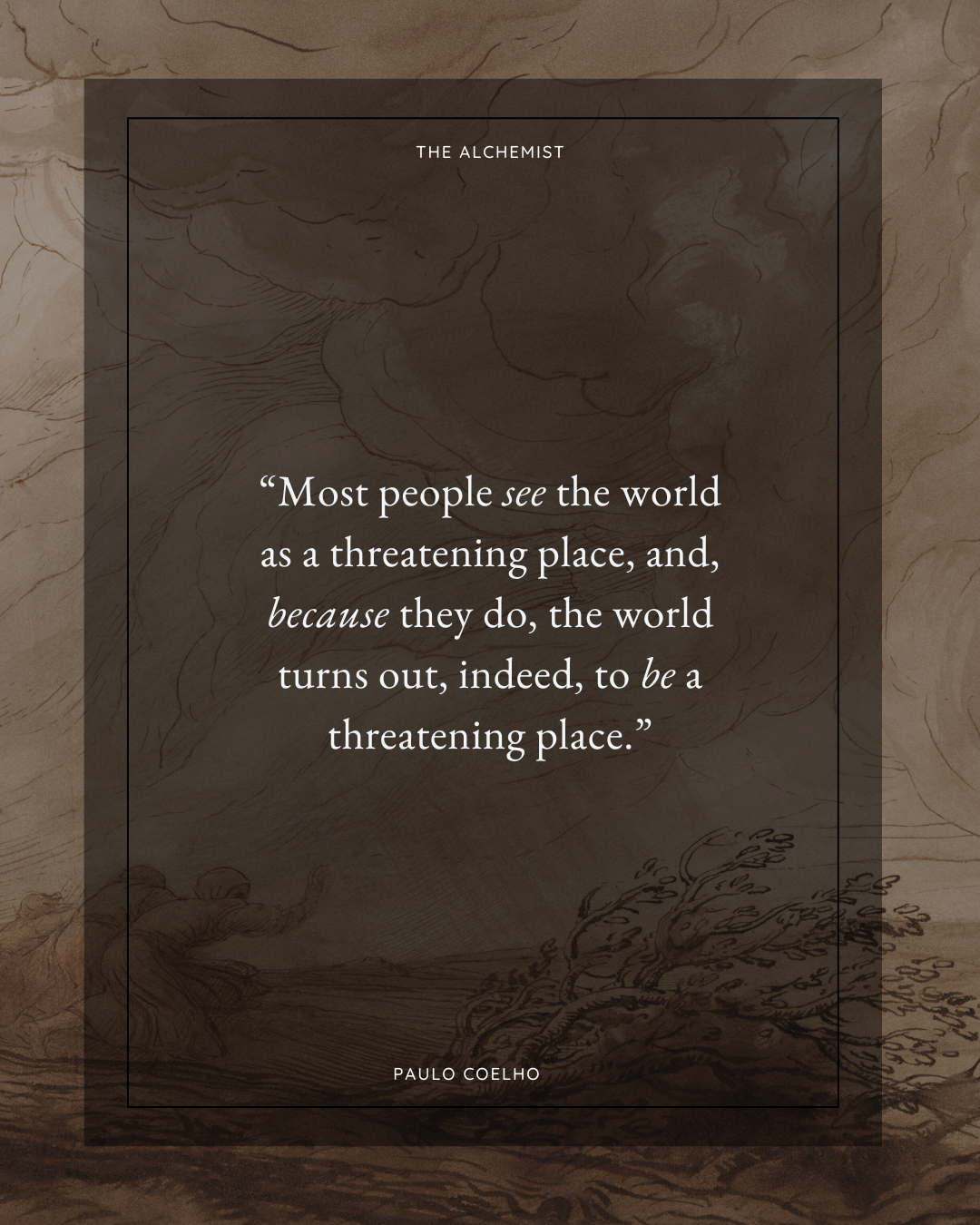
"The Storm (Alphonse Legros), 1943.864,” Harvard Art Museums collections online
The World We Make
Discontentment seems to be everywhere. Whether young or old, rich or poor, befriended or alone, everyone has some reason to feel dissatisfied, disappointed, or discouraged. The world is undergoing something similar to a transition; a better term might be growing pains. Throughout the globe, the old ways and ‘what was’ are fading away, and the future remains unclear, formless, and filled with many terrifying possibilities. It's no surprise then that many people see the world as a threatening, dark, and obscure place. What is missed when looking back and longing for the days long past is recognizing how far we have truly come. A way of life might be fading, but so have many others. The natural course of life is change—some small, almost unnoticed, and others so significant that they alter the very face of the planet. As part of the human race, we should take a moment to appreciate the gift of living during a time of transition. Change can be frightening, but beyond the fear should be a wild, exuberant excitement to build something new and wonderful.
Playing a Central Role
Every person is meaningful. That's why people should value human life, not just for moral reasons or political gain. We can never know where or from whom the course of history might change for all of humanity. We influence each other, and we each contribute to society and culture. The transcendental happens when we, as individuals, step outside ourselves—our self-centered, ambitious, and limited selves—to realize that we are of minor importance in the grand scheme of the world, yet we play an essential role that might not be recognized until after we're gone. As a creator, I’ve had to accept that whatever I produce might not be appreciated in my lifetime. Writing a book is a medium that has existed for centuries and, Lord willing, will continue long after I am gone. What makes the written word powerful is its lasting impact.
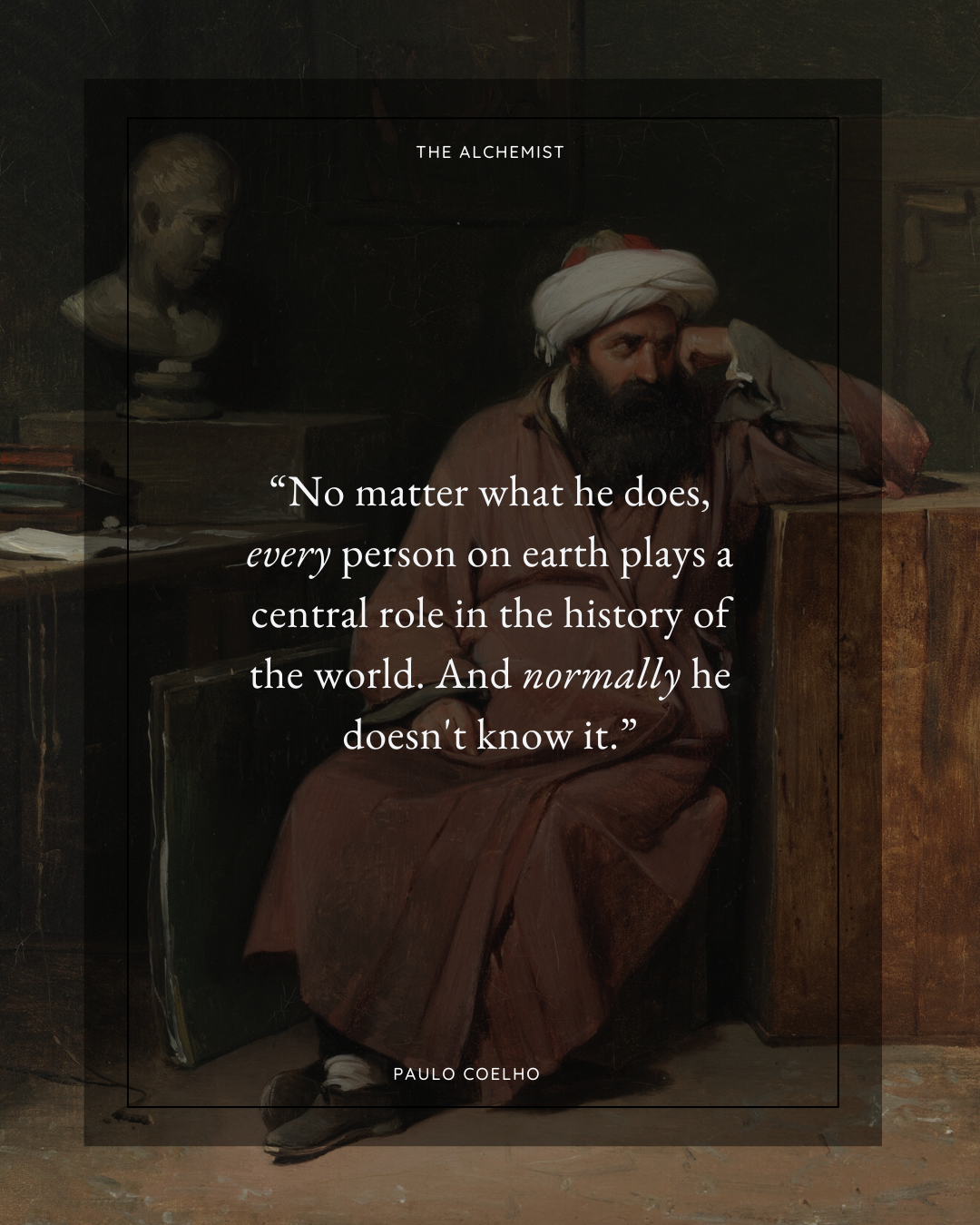
Auguste-Xavier Leprince. A Man from the Middle East in the Artist's Studio, ca. 1823–26. The Metropolitan Museum of Art
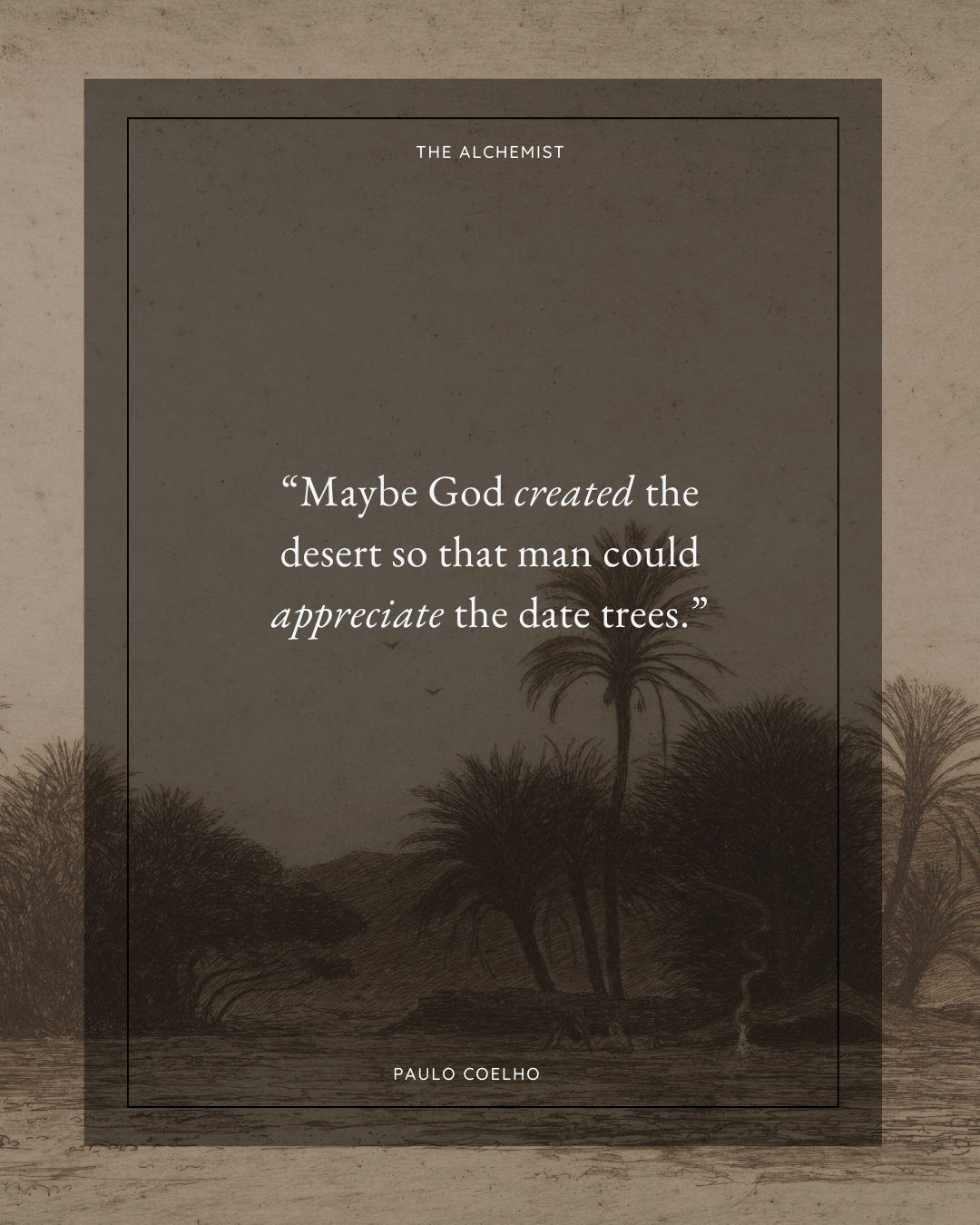
Philip Zilcken. Soir au Sahara (Algérie), 1890 - 1930. The Rijksmuseum
The Necessity of the Desert
How much more do we appreciate a fire in the hearth after a walk in the ice and snow? How much do we understand something if we realize we might lose it? What is powerful about recognizing hardships as gifts is how much they connect us to the Divine. Not even Jesus escaped suffering. The desert is not the barren wasteland of the devil but is part of creation. If not for the desert, we would not know the thirst or the calm of trees. Without hardship, there is stagnation, ingratitude, and discontent. Our bodies are built to endure, not merely to indulge. Struggling is part of our DNA, and through it, we find joy. Through the harshness of contention, we learn to value even the smallest delights. The small, often overlooked moments of our daily lives become blessings and sources of relief.
Cover Image: Eugène Fromentin. Upper Egypt, a Recollection, 1872. The Minneapolis Institute of Art