JULY 2025 READING LIST
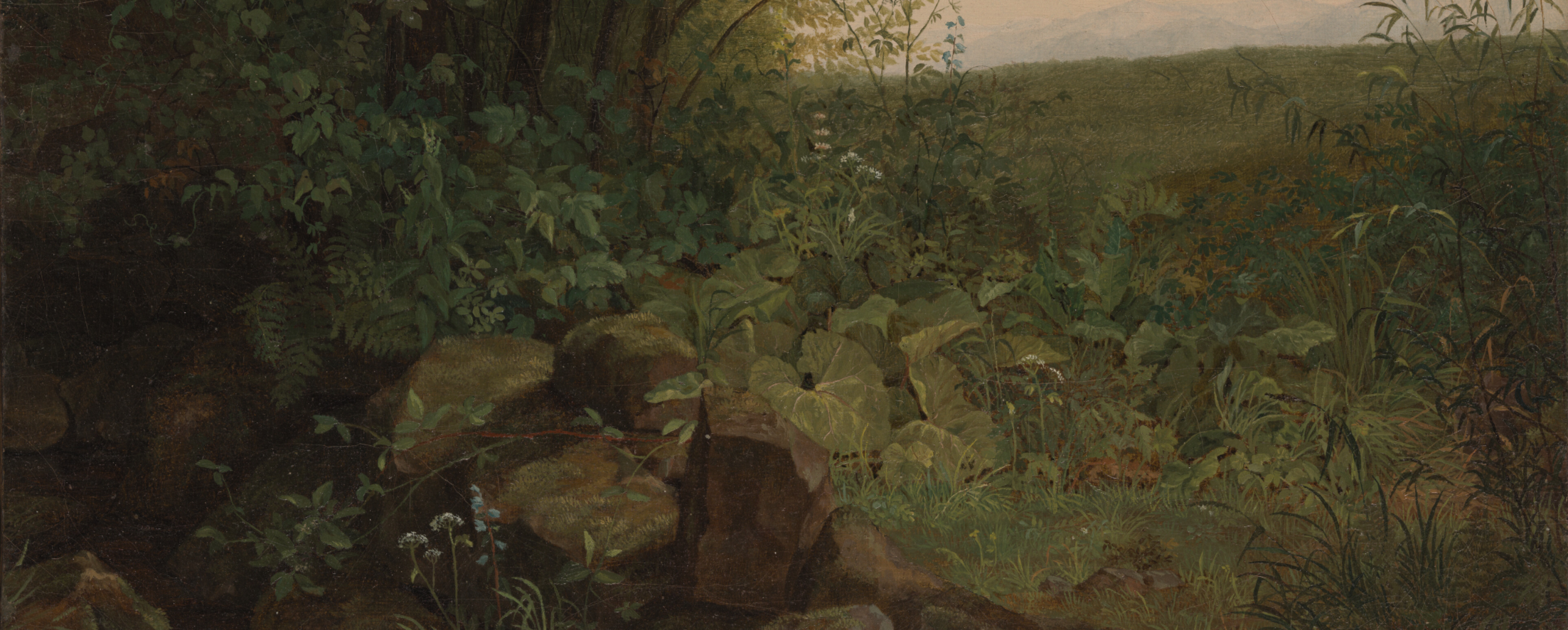
August Heinrich. At the Edge of the Forest, ca. 1820. The Metropolitan Museum of Art
WATER, STONE, HEART BY WILL NORTH
I found this book at a local bookshop, drawn by its aesthetically pleasing cover and the prospect of reading a story set in the countryside. The story centers on Nicola Rhys Jones, who leaves an affluent life with an abusive husband, and Andrew Stratton, an American Professor of architecture theory and a recent divorcee. They met in a small town called Boscastle and were in the process of rebuilding their lives. But a storm hits the small town, causing remarkable damage.
I liked the description of the countryside, the hedges, and the personality of the little girl Lee, who befriends Nicola and Andrew. There were moments when I could picture the green pastures and old trodden roads: the small, quiet town and the odd residents of the neighborhood. The book was a quick read, with an easy rhythm, especially during the climax, when the storm hits the town. However, the story did not come across as remarkable. It had a satisfying ending, and sometimes that is all that is needed.
3.25/5 Stars
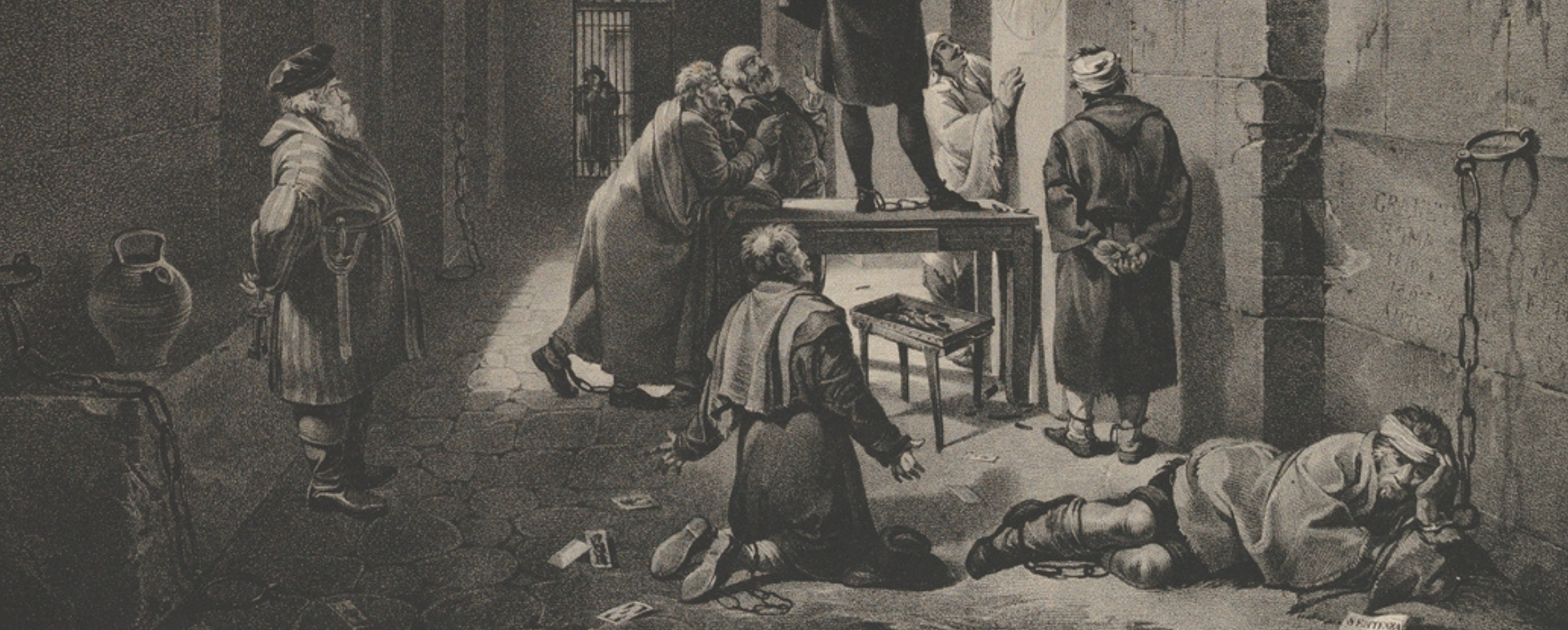
Friedrich Hohe. Stella in Prison, after 1810. The Metropolitan Museum of Art
LITTLE DORRIT BY CHARLES DICKENS
I had recently watched the television series of Little Dorrit and loved the story so much, the sort of upside-down Cinderella tale, that I tried to read the book. On the very first page, I was overwhelmed with the language and detail of the story, constantly looking to the notes in the back of the book for reference and context. I had barely read five pages in and had to put it away. Then I decided to listen to the book, more as a calm read to listen to while I traveled, and if I needed something at night. Once the story left Marseilles and began to build the world of the Marshalsea prison, I was fully engrossed.
Dickens can be somewhat verbose in his writing, and I initially struggled to stay focused on the story. Then, at about the halfway point, I started to enjoy the expanded, further explanations of a scene. The language was elegant and poetic, for example:
“And thus ever by day and night, under the sun and under the stars, climbing the dusty hills and toiling along the weary plains, journeying by land and journeying by sea, coming and going so strangely, to meet and to act and react on one another, move all we restless travellers through the pilgrimage of life.”
Even though I knew the ending, I was still entranced and waited on every word of the narrator as the journey sent the Dorrit’s to Italy, to sickbeds, and through scandals. What was a calm read began to be a fervent desire to find out what happened next. A thoroughly fantastic read (or audiobook) and I am glad to have read (listened) its entirety. I’m not sure if this experience will encourage me to read other Dickens books, given that I didn't enjoy David Copperfield on audiobook. Perhaps it is like what C.S. Lewis said: some books you read when you're young, and some when you're old. You don’t want to read a book too soon or too late. Perhaps as I get older, the writing of Dickens will call out to me.
4.5/5 Stars
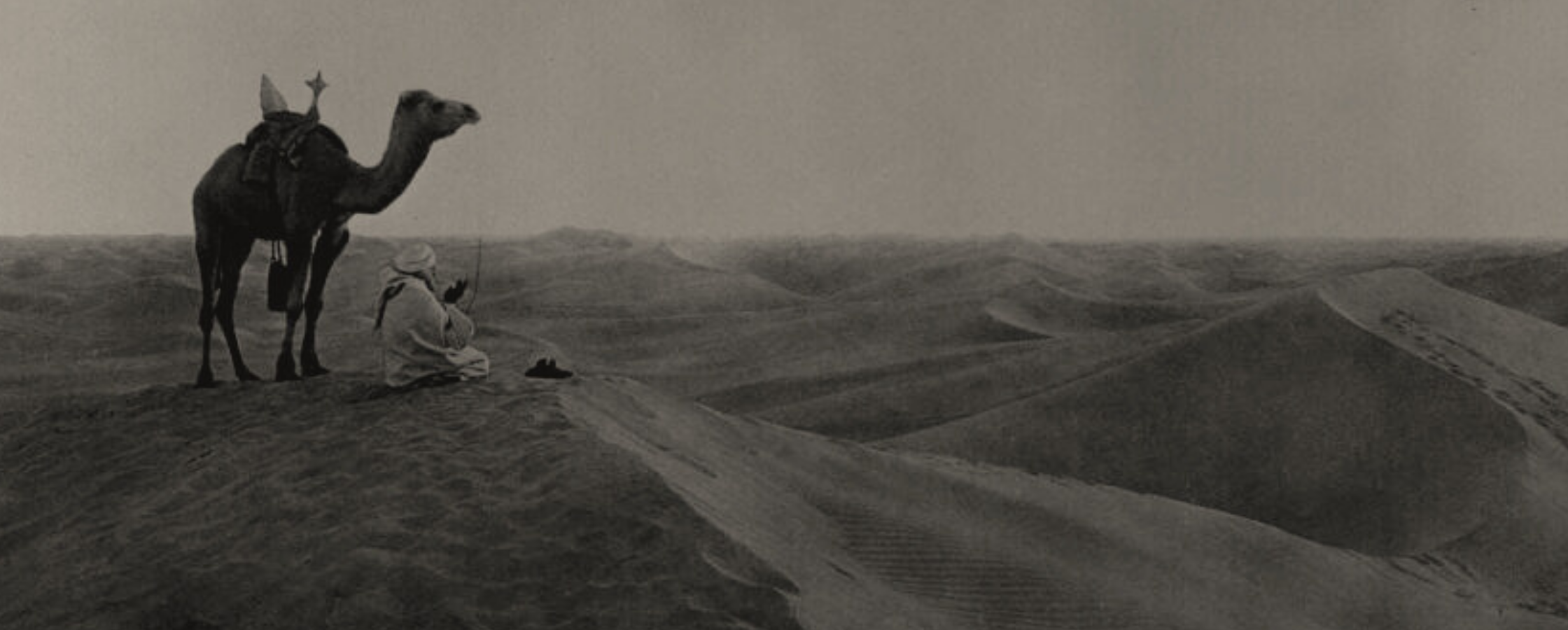
Attributed to Alexandre Bougault. The Hour of Prayer in the Sahara Desert, c. 1910. Harvard Art Museums
THE ALCHEMIST BY PAULO COELHO
The Alchemist by Paulo Coelho continues to change the lives of its readers forever. With more than two million copies sold worldwide, The Alchemist has established itself as a modern classic, universally admired. Paulo Coelho's masterpiece tells the magical story of Santiago, an Andalusian shepherd boy who yearns to travel in search of a worldly treasure as extravagant as any ever found. The story of the treasures Santiago finds along the way teaches us, as only a few stories can, about the essential wisdom of listening to our hearts, learning to read the omens strewn along life's path, and, above all, following our dreams.
I have had The Alchemist on my shelf for years, in English and in Spanish. I knew it was a popular book. I have not realized the extent to which the book transcends language, culture, and even heritage. I knew little of the story or its themes, but I quickly became absorbed in the urgent quest for a personal legend and how it resonated with my own creativity. The reading came at a timely moment as I was struggling with one of the four obstacles Coelho gives for not reaching one’s purpose. I devoured the book, already wanting to reread it.
6/5 Stars